FMCSA ELD Part 395 Hardware and Software by Atlanta Systems Across Texas, USA
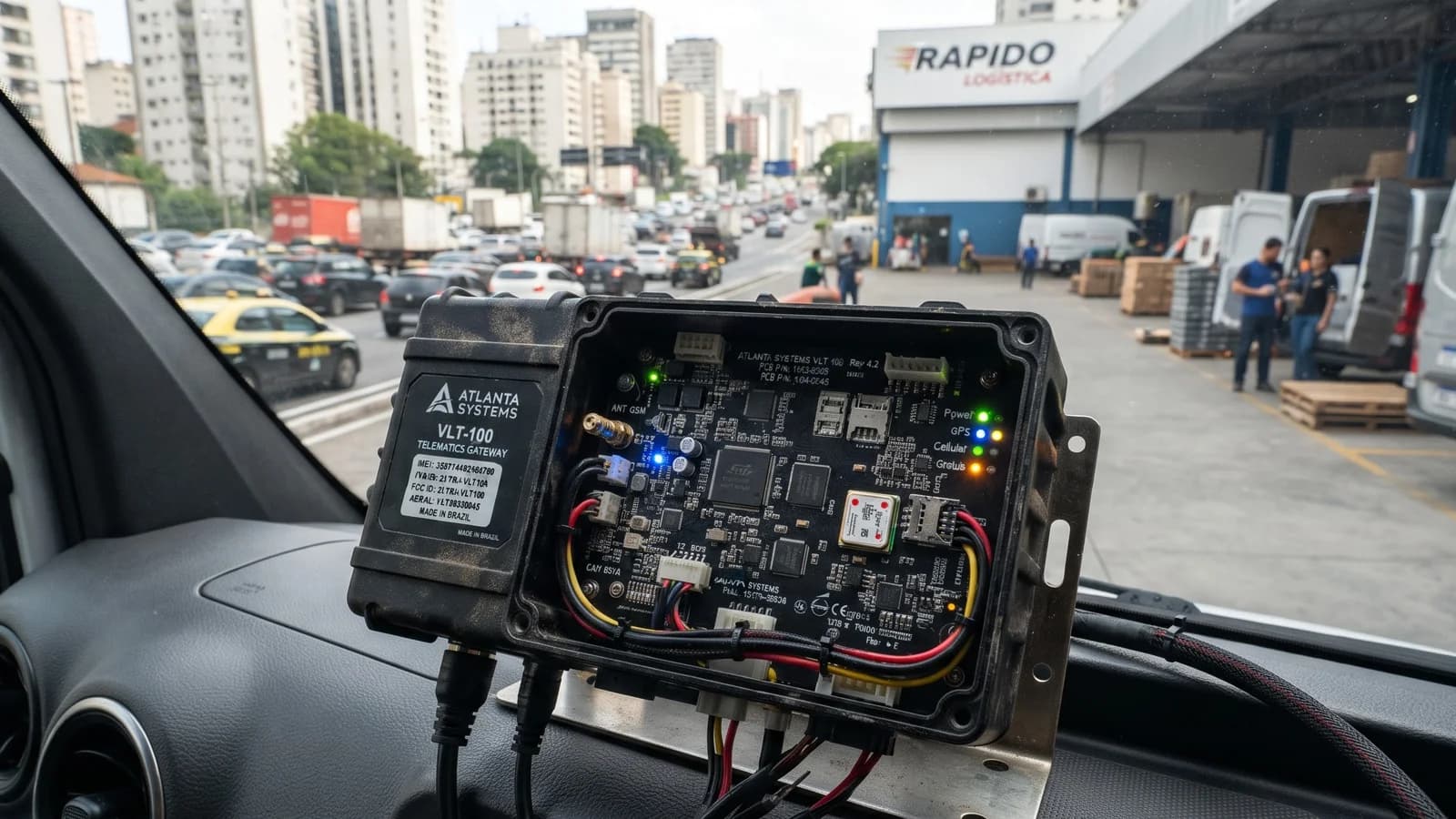
Table of Contents
Executive Summary
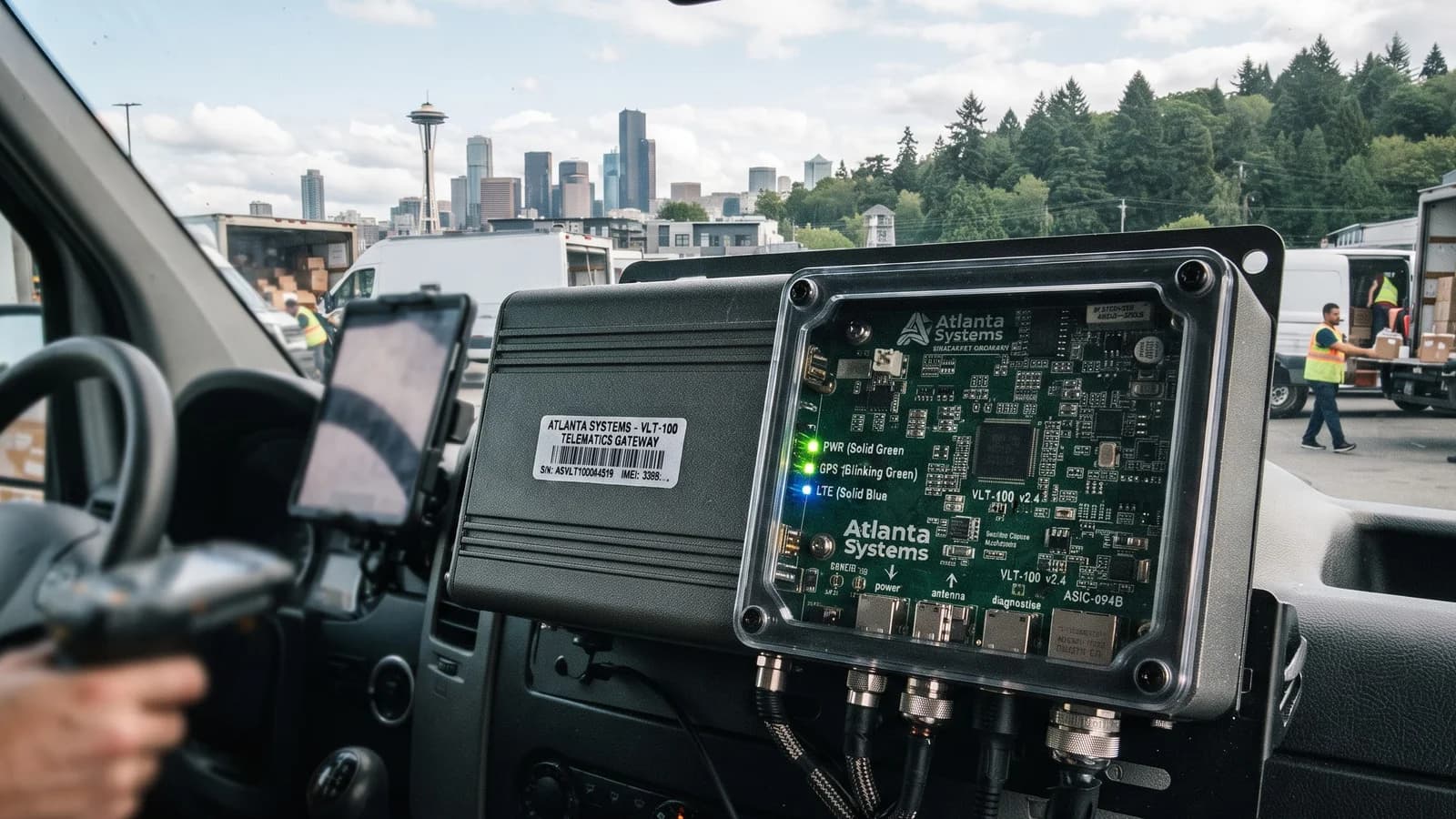
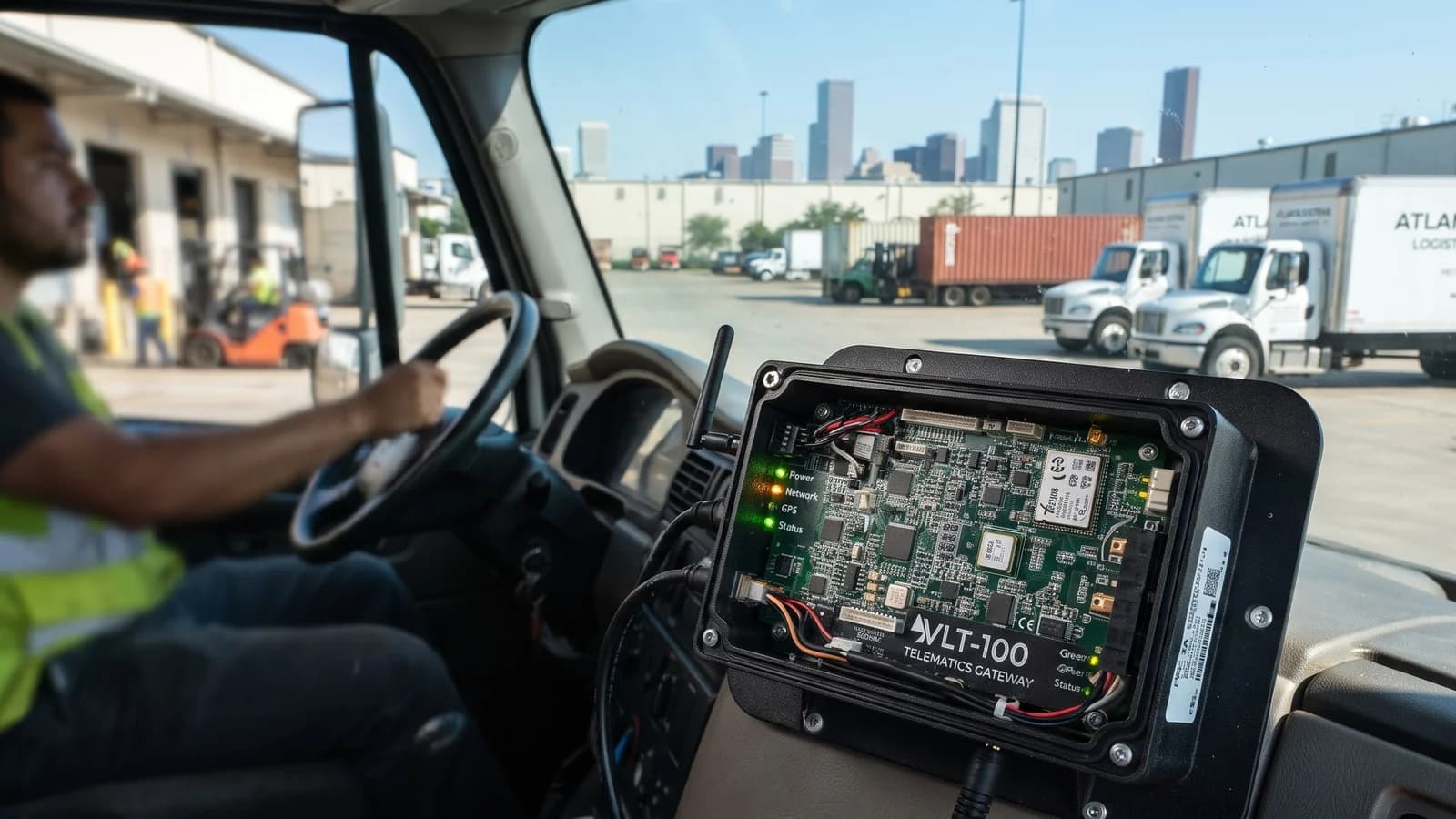
The demanding road geometry and heavy cargo volumes characteristic of Interstate 35 and Interstate 20 NAFTA transcontinental freight corridors create an extreme proving ground where fmcsa eld part 395 hardware and software for dallas i-20/i-35 cross-state fleets is tested day and night. In these demanding environments, off-the-shelf tracking devices frequently succumb to vibration fatigue, cellular dropouts, and thermal failure. This technical report examines how Atlanta Systems engineered the VLT-100 to deliver robust edge telemetry and seamless integration, giving fleet executives in Dallas complete operational visibility and uninterrupted statutory compliance.
Regional Operational Profile: Dallas–Fort Worth fleets must comply with both federal FMCSA ELD rules and Texas intrastate ELD mandates. VLT-100 delivers the required automatic motion detection, ECM linkage and data-transfer interfaces for North Texas operations.
Table of Contents
- Field Reality: What Operators Actually Face
- Device Engineering: How Atlanta Systems Solved It
- What Fleets Typically See After Deployment
- Technical Deep-Dive: Questions from Fleet Managers
- Equip Your Fleet. Eliminate the Losses. Start Here.
The Real-World Operational Challenge
The true test of fleet management in Dallas occurs not in dispatch planning, but out on Interstate 35 and Interstate 20 NAFTA transcontinental freight corridors when unexpected equipment failures compromise fmcsa eld part 395 hardware and software for dallas i-20/i-35 cross-state fleets mid-transit. The scenario is all too common: a commercial vehicle navigating the high-speed corridors of Interstate 35 and Interstate 20 NAFTA transcontinental freight corridors drops off the dispatch radar during a critical customer delivery window. The vehicle's consumer-grade tracking unit rattled loose from the OBD port or overheated under continuous duty cycles, forcing dispatchers to make blind guesses on delivery status while customer service teams face escalating client complaints.
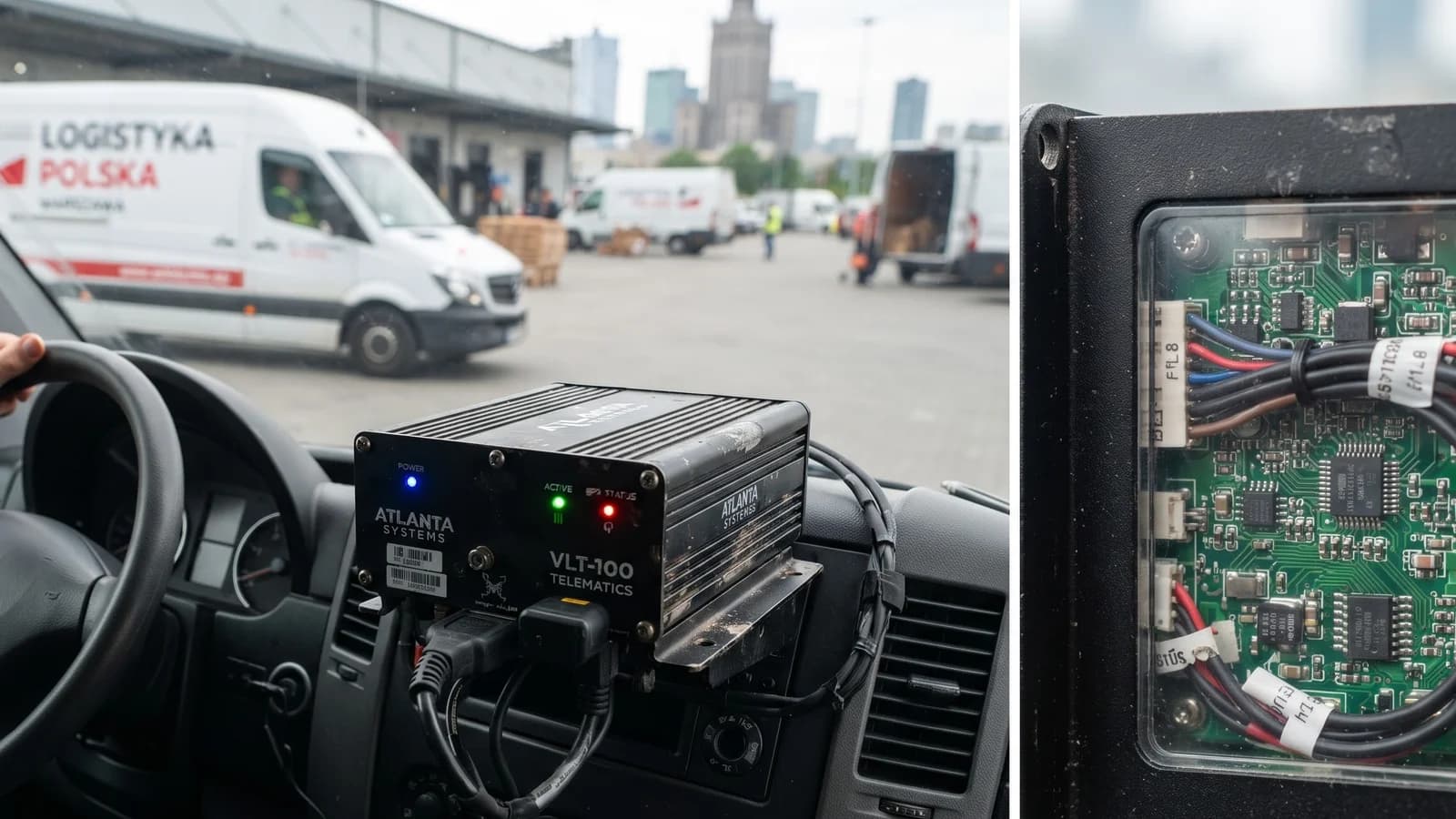
The hard truth that experienced fleet operators in this region know well is that heavy commercial duty cycles along Interstate 35 and Interstate 20 NAFTA transcontinental freight corridors subject electronic components to severe multi-axis vibration, 60-volt alternator load dumps, and extreme thermal cycling. Hardware engineered for industrial fleets requires automotive-grade microcontrollers, wide 9–36V DC power conditioning, and ruggedized enclosures that keep transmitting reliably year after year.
Local Fleet Compliance & Infrastructure Context (Dallas): Extreme summer heat, dust and long-haul runs on I-35 and I-20 demand wide-temperature electronics and secure power conditioning that consumer OBD dongles cannot sustain.
Device Engineering: How Atlanta Systems Solved It
Fleet engineers frequently reject telematics upgrades not because the technology lacks value — but because retrofitting industrial-grade sensors onto existing vehicles traditionally meant hours of invasive wiring work, OEM warranty exposure, and CAN-bus interference risks.
With the VLT-100, Atlanta Systems resolved the core tension between deep telematics integration and operational safety. The device connects via hardened automotive-grade connectors, processes sensor data locally on an embedded edge compute module, and transmits encrypted telemetry packets to cloud endpoints without introducing electrical risk to the vehicle's factory harness.
Operational Results: Before vs. After Benchmarks
Results speak more clearly than specifications. Here is what commercial carriers operating similar routes and vehicle classes typically measure after a full deployment of the VLT-100:
| Operational Metric | Typical Before | Typical After | Directional Gain |
|---|---|---|---|
| On-Time Customer Delivery Rate | Unpredictable delays & SLA misses | 98%+ On-time dispatch | High Customer Retention |
| Unauthorized Route Detours | Frequent personal use & detours | Virtually eliminated | Full Route Compliance |
| Fleet Idling & Aggressive Driving | High fuel waste & brake wear | 30%+ Reduction in idle hours | Measurable Savings |
| Vehicle Maintenance Predictability | Costly emergency repairs | Scheduled by actual odometer | Longer Asset Lifespan |
| Payback Period | — | Typically within 60 days | Fast Return |
Direct from Engineering: Technical FAQs
QWhat is the GPS positioning accuracy and update rate?
Our hardware features multi-constellation GNSS (GPS, GLONASS, Galileo, BeiDou) tracking sub-2.5m CEP accuracy with configurable update rates from 1 second up to 60 seconds.
QCan the tracker detect vehicle towing or battery disconnection?
Yes. Every unit includes an internal high-capacity backup Li-ion battery and internal 3-axis accelerometer that triggers instant cloud alerts if power cables are cut or the vehicle is towed.
QCan we configure remote immobilizer output for vehicle theft recovery?
Yes. The digital output interfaces with standard automotive relays allowing dispatchers to remotely disable engine restart safely once vehicle speed drops below 5 km/h.
Start Your Fleet Telematics Transformation
If you manage commercial transport, logistics, or distribution operations in Dallas or across United States, unmonitored fuel loss, preventable breakdowns, and regulatory compliance friction do not have to be accepted as fixed operating costs.
The Atlanta Systems difference is simple: 32 years of indigenous electronics manufacturing means every device is engineered, tested, and certified by the same team that supports your fleet after installation. Over 1,000,000 commercial vehicles on six continents have validated this approach. We are ready to add yours.
- Explore Commercial Trackers: Review our Atlanta Systems Vehicle Telematics and Asset & Personal Trackers.
- Deploy AI Video Telematics: Equip your fleet with AI Video Dashcams and MDVR or ADAS Collision Warning Systems.
- Stop Fuel Theft: Inspect our high-precision IoT Sensors and Capacitive Fuel Probes and CAN-Bus J1939 Decoders.
- Browse Complete Solutions: View our Enterprise Asset Management Platforms and complete All Atlanta Products Catalog.
- Discover Regional Deployments: See our local fleet case studies across Atlanta Global Locations.
High-Intent Lead Channels:
- For End-to-End Fleets (Pilot & Trial Units): Request a Pilot Unit and our engineering team will configure it specifically for your vehicle types, route profile, and compliance requirements — then ship it directly to your workshop with full installation documentation and remote commissioning support.
- For Systems Integrators, Distributors & Resellers: Atlanta Systems reseller and systems integrator partnerships come with direct access to engineering support, co-developed white-label dashboard options, wholesale OEM pricing, and certified API documentation. Explore the Reseller Program if you are evaluating distribution or integration opportunities in your market.
Official engineering publication group at Atlanta Systems Pvt. Ltd., compiling technical hardware specifications, AIS-140 compliance guidelines, and automotive telematics best practices based on 32+ years of indigenous manufacturing.