Smart Parking Systems by Atlanta Systems Using Geofencing for Urban Fleets Across New York, USA
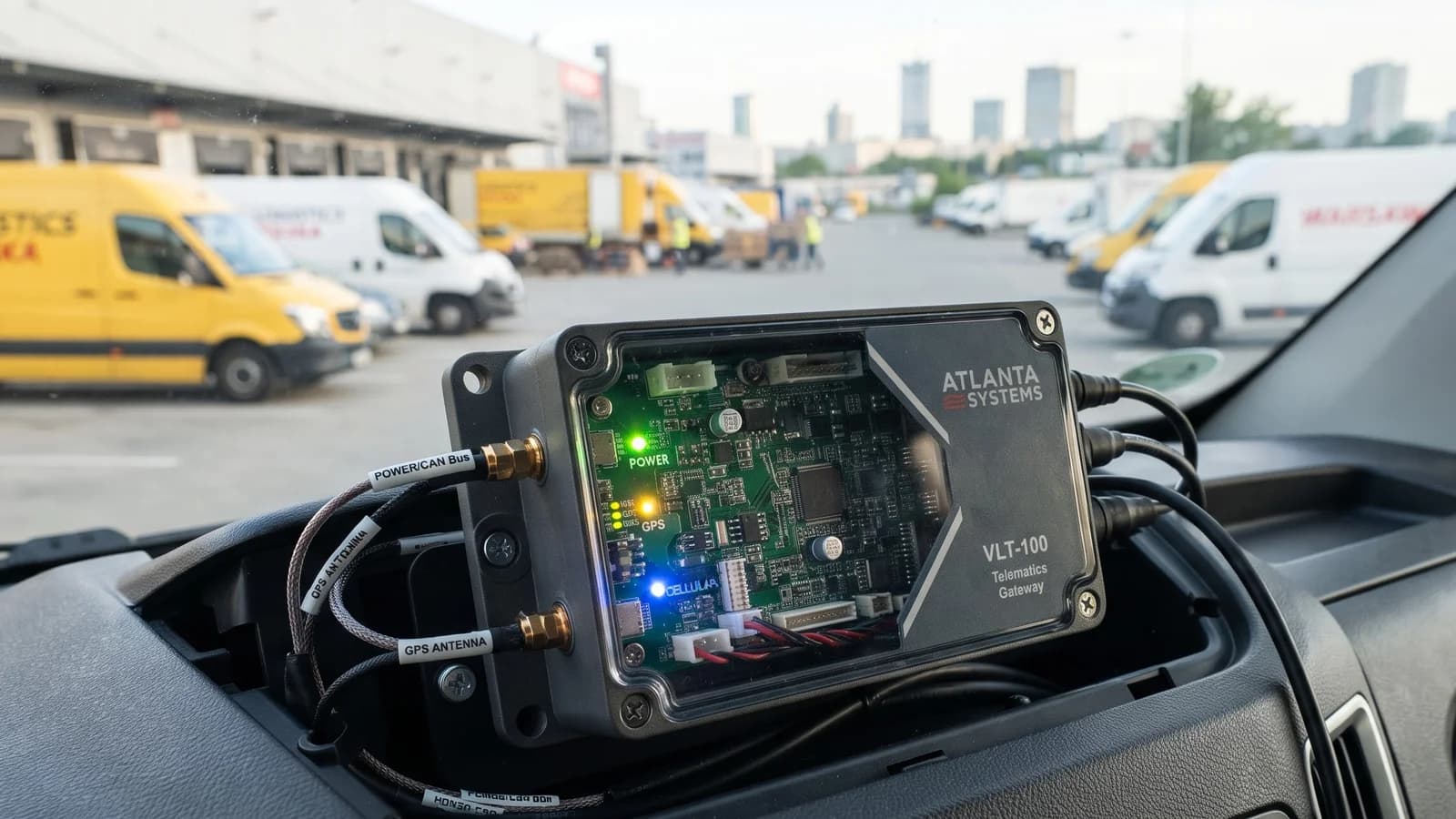
Table of Contents
Executive Summary
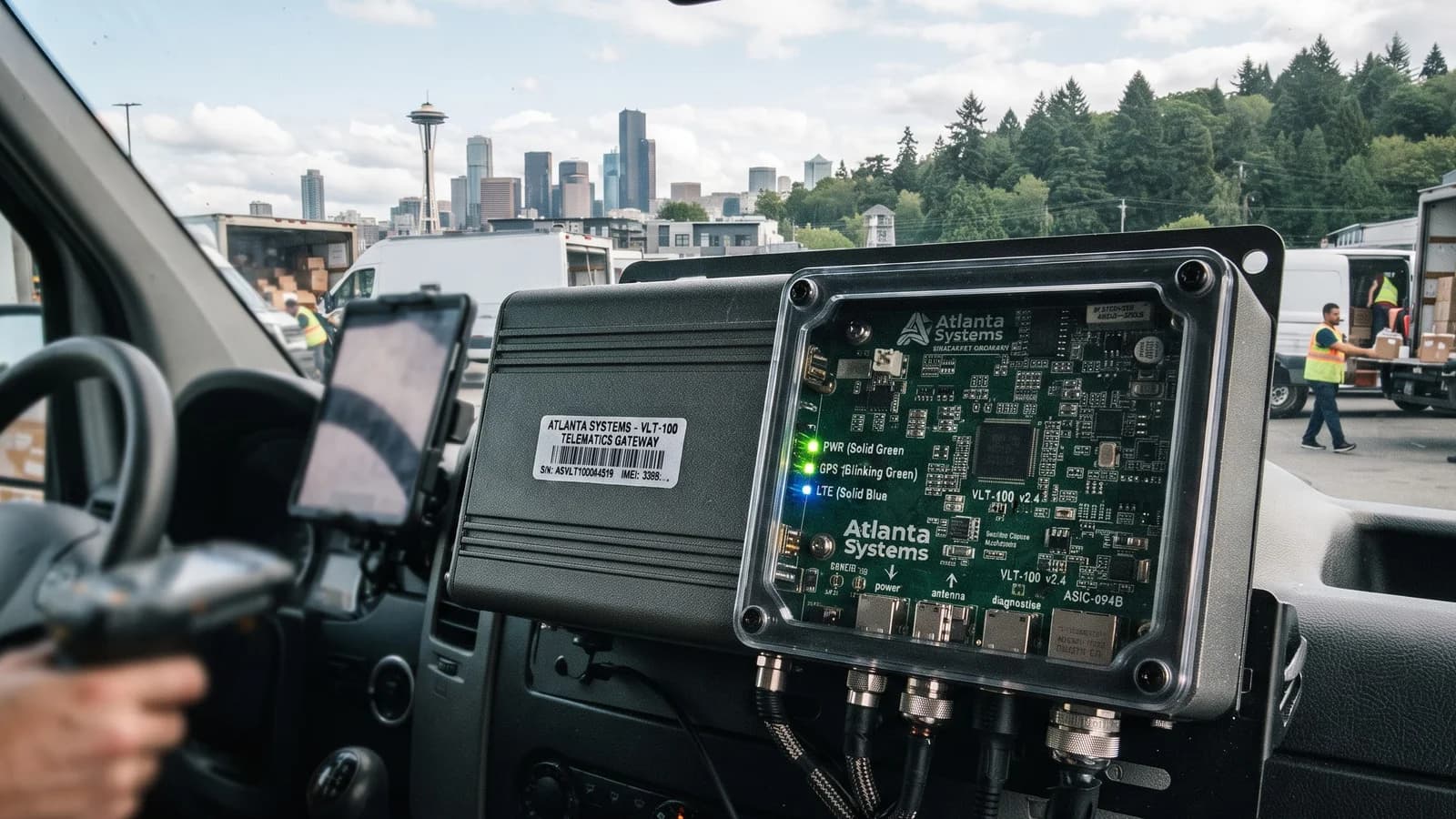
The logistics pulse of New York relies heavily on I-95 Cross Bronx Expressway and Port Newark–Elizabeth marine terminal, where executing smart parking systems using geofencing for urban fleets in new york and miami with military-grade reliability separates leading commercial carriers from struggling operators. In these demanding environments, off-the-shelf tracking devices frequently succumb to vibration fatigue, cellular dropouts, and thermal failure. This technical report examines how Atlanta Systems engineered the VLT-100 to deliver robust edge telemetry and seamless integration, giving fleet executives in New York complete operational visibility and uninterrupted statutory compliance.
Regional Operational Profile: New York carriers face federal FMCSA ELD requirements plus state intrastate extensions; dense urban canyons and winter conditions add further constraints. VLT-100 maintains multi-constellation GNSS lock and ECM synchronisation required for NYSDOT and FMCSA enforcement.
Table of Contents
- The Real-World Operational Challenge
- Inside the Hardware: Engineering Decisions That Matter
- Operational Results: Before vs. After Benchmarks
- Fleet Engineer Q&A
- Put Battle-Tested Telematics on Your Fleet Today
The Real-World Operational Challenge
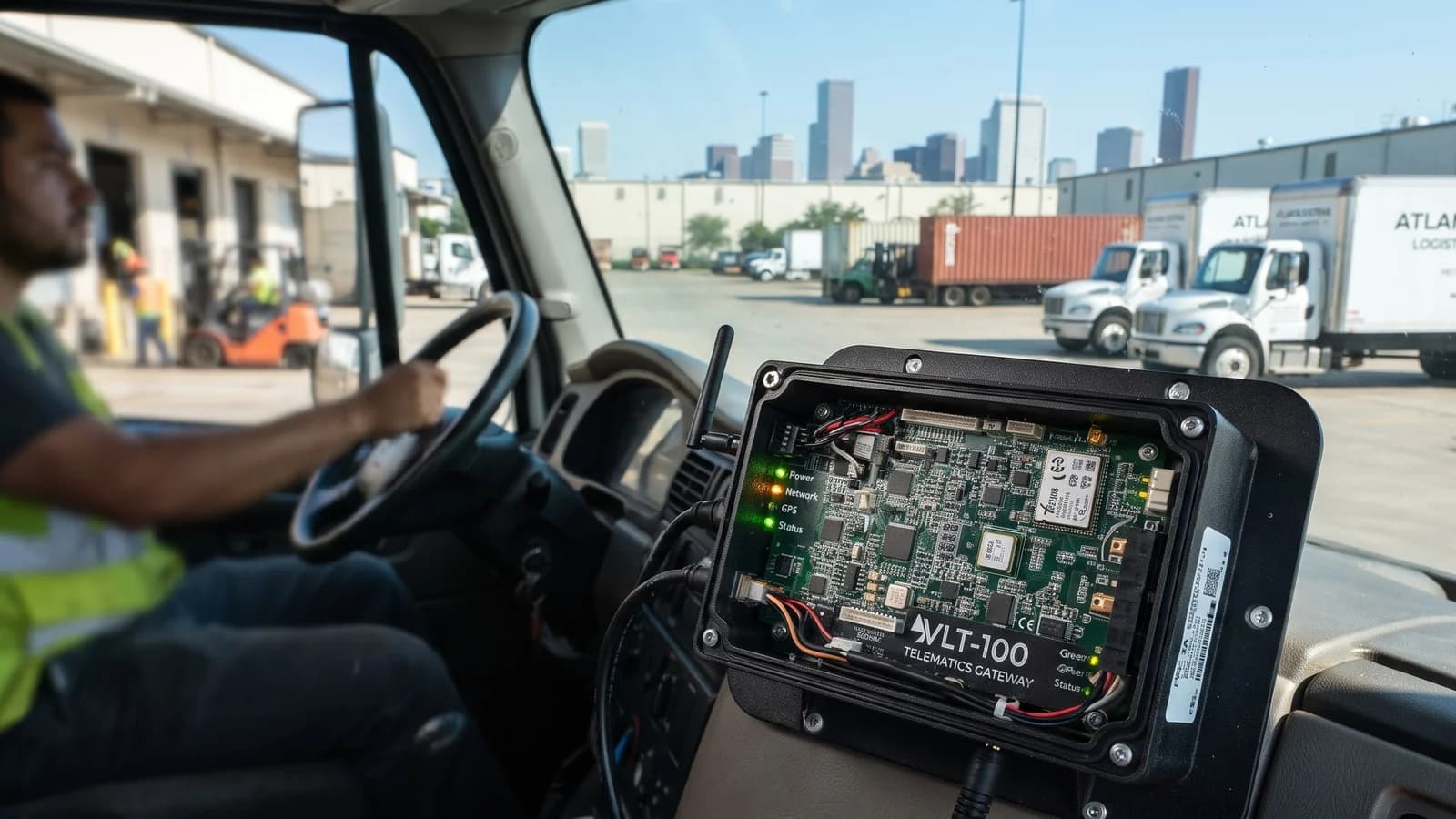
The high-speed freight movements and challenging road surfaces of I-95 Cross Bronx Expressway and Port Newark–Elizabeth marine terminal demand telematics hardware that executes smart parking systems using geofencing for urban fleets in new york and miami while treating extreme vibration, heat, and electrical noise as standard operating conditions. The scenario is all too common: a commercial vehicle navigating the high-speed corridors of I-95 Cross Bronx Expressway and Port Newark–Elizabeth marine terminal drops off the dispatch radar during a critical customer delivery window. The vehicle's consumer-grade tracking unit rattled loose from the OBD port or overheated under continuous duty cycles, forcing dispatchers to make blind guesses on delivery status while customer service teams face escalating client complaints.
What enforcement audits consistently expose is that heavy commercial duty cycles along I-95 Cross Bronx Expressway and Port Newark–Elizabeth marine terminal subject electronic components to severe multi-axis vibration, 60-volt alternator load dumps, and extreme thermal cycling. Hardware engineered for industrial fleets requires automotive-grade microcontrollers, wide 9–36V DC power conditioning, and ruggedized enclosures that keep transmitting reliably year after year.
Local Fleet Compliance & Infrastructure Context (New York): Urban RF multipath, extreme cold and frequent short-haul duty cycles stress antenna performance and power management; non-certified devices fail data-transfer tests during inspections.
Device Engineering: How Atlanta Systems Solved It
Fleet engineers frequently reject telematics upgrades not because the technology lacks value — but because retrofitting industrial-grade sensors onto existing vehicles traditionally meant hours of invasive wiring work, OEM warranty exposure, and CAN-bus interference risks.
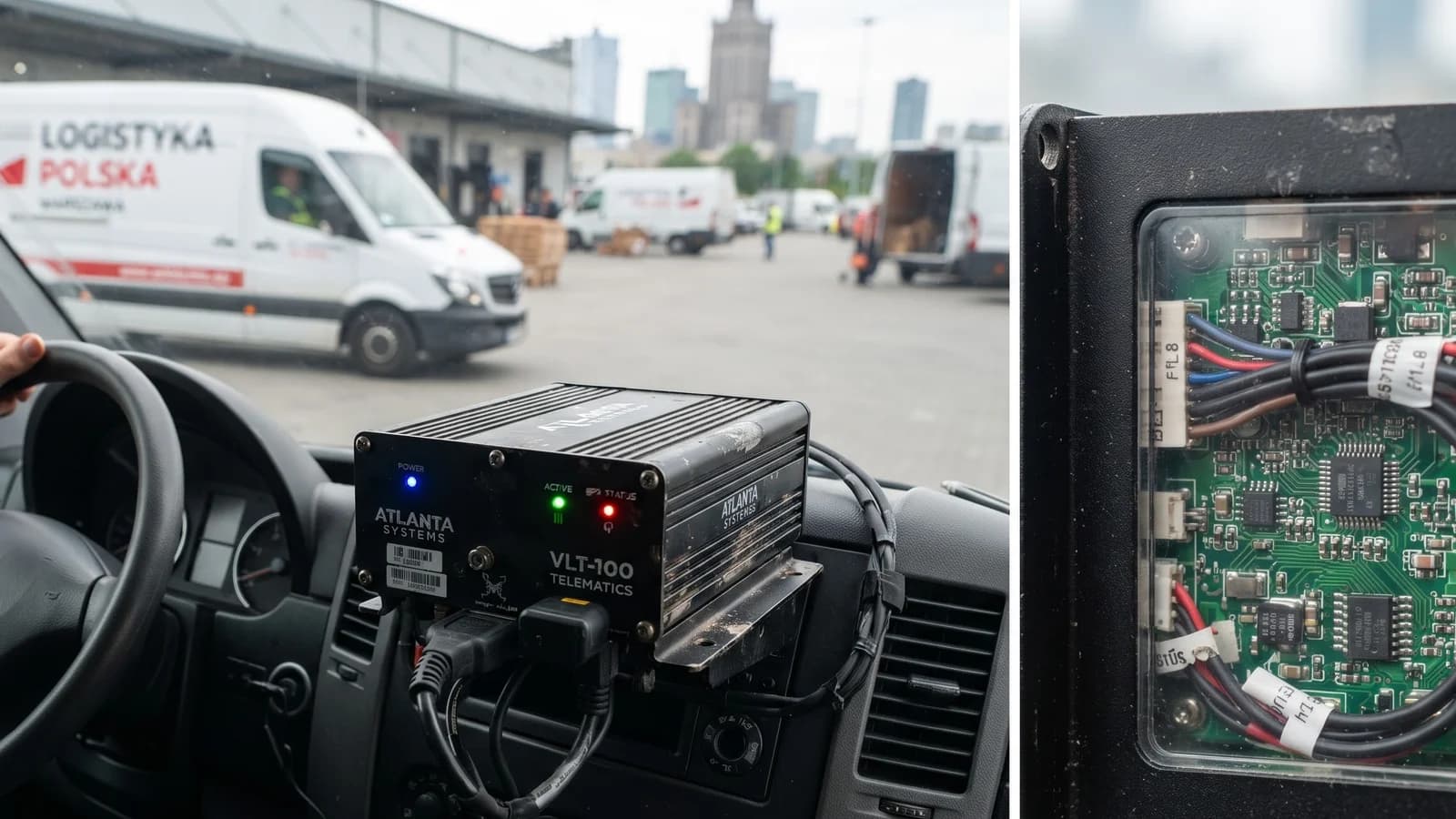
The VLT-100 is Atlanta Systems' engineering answer to this challenge. Every aspect of the device — from the conformal-coated PCB to the hardened automotive connector spec — was designed to eliminate the installation and reliability failure modes that plague generic telematics hardware. Real-time telemetry flows from edge-processed sensors directly to secure cloud endpoints without a single spliced OEM wire.
Operational Results: Before vs. After Benchmarks
The operational improvements that follow a properly executed telematics deployment are consistent and measurable. The following benchmark table reflects what commercial carriers typically report after deploying the VLT-100:
| Operational Metric | Typical Before | Typical After | Directional Gain |
|---|---|---|---|
| On-Time Customer Delivery Rate | Unpredictable delays & SLA misses | 98%+ On-time dispatch | High Customer Retention |
| Unauthorized Route Detours | Frequent personal use & detours | Virtually eliminated | Full Route Compliance |
| Fleet Idling & Aggressive Driving | High fuel waste & brake wear | 30%+ Reduction in idle hours | Measurable Savings |
| Vehicle Maintenance Predictability | Costly emergency repairs | Scheduled by actual odometer | Longer Asset Lifespan |
| Payback Period | — | Typically within 60 days | Fast Return |
Engineer Q&A: Your Technical Questions Answered
QWhat is the GPS positioning accuracy and update rate?
Our hardware features multi-constellation GNSS (GPS, GLONASS, Galileo, BeiDou) tracking sub-2.5m CEP accuracy with configurable update rates from 1 second up to 60 seconds.
QCan the tracker detect vehicle towing or battery disconnection?
Yes. Every unit includes an internal high-capacity backup Li-ion battery and internal 3-axis accelerometer that triggers instant cloud alerts if power cables are cut or the vehicle is towed.
QCan we configure remote immobilizer output for vehicle theft recovery?
Yes. The digital output interfaces with standard automotive relays allowing dispatchers to remotely disable engine restart safely once vehicle speed drops below 5 km/h.
Ready to Eliminate the Operational Losses?
For fleet operators in New York managing compliance risk, fuel exposure, and driver safety across United States's demanding freight corridors, the performance gap between consumer telematics and Atlanta Systems industrial hardware directly translates into margin — one way or another.
Atlanta Systems has spent more than 32 years building rugged, industrial-grade electronics that survive demanding commercial duty cycles worldwide. Our telemetry hardware powers over 1,000,000 connected commercial assets across 27+ countries. Our team is ready to help you close operational blind spots, protect your assets, and put verifiable savings back into your business.
- Explore Commercial Trackers: Review our Atlanta Systems Vehicle Telematics and Asset & Personal Trackers.
- Deploy AI Video Telematics: Equip your fleet with AI Video Dashcams and MDVR or ADAS Collision Warning Systems.
- Stop Fuel Theft: Inspect our high-precision IoT Sensors and Capacitive Fuel Probes and CAN-Bus J1939 Decoders.
- Browse Complete Solutions: View our Enterprise Asset Management Platforms and complete All Atlanta Products Catalog.
- Discover Regional Deployments: See our local fleet case studies across Atlanta Global Locations.
High-Intent Lead Channels:
- For End-to-End Fleets (Pilot & Trial Units): Request sample test units for your vehicles. Contact Our Engineering Team Directly — we will ship test hardware to your workshop, walk your technicians through non-invasive installation, and demonstrate live telemetry on your own dispatch dashboard.
- For Systems Integrators, Distributors & Resellers: Atlanta Systems reseller and systems integrator partnerships come with direct access to engineering support, co-developed white-label dashboard options, wholesale OEM pricing, and certified API documentation. Explore the Reseller Program if you are evaluating distribution or integration opportunities in your market.
Official engineering publication group at Atlanta Systems Pvt. Ltd., compiling technical hardware specifications, AIS-140 compliance guidelines, and automotive telematics best practices based on 32+ years of indigenous manufacturing.