4G GPS Vehicle Tracker: How to Choose the Right Device for Your Fleet
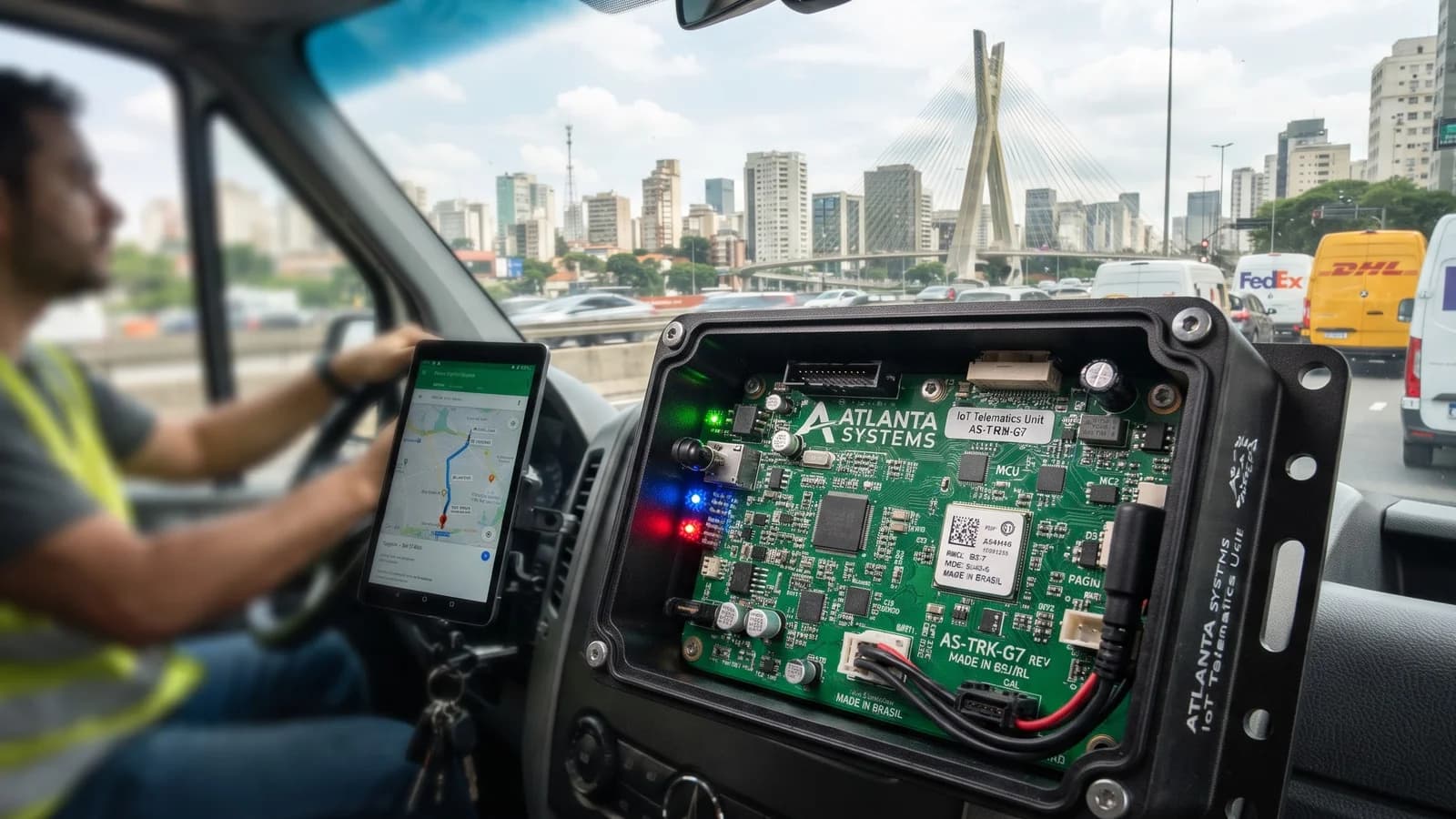
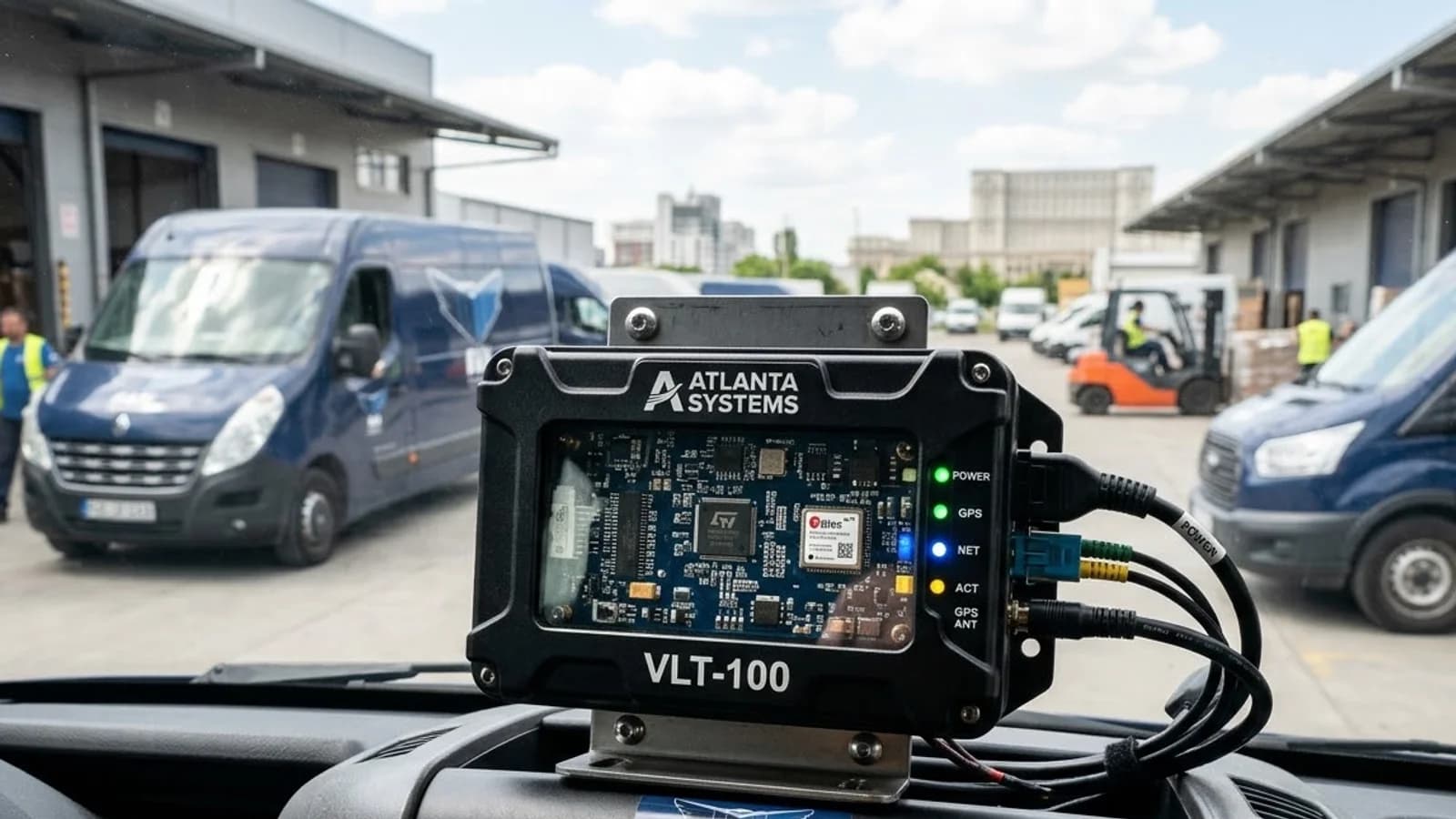
A GPS tracker is the base of every fleet telematics system. Choose the wrong one and you will face data gaps, constant site visits and a second purchase within two years. This guide covers the specifications that matter and how they match different fleets.
Why 4G instead of 2G?
Mobile operators around the world are switching off 2G and 3G networks to free up spectrum for 4G and 5G. A 2G tracker bought today may lose its network during its working life. 4G LTE trackers also send data faster and support larger payloads such as fuel, temperature and CAN data. Many 4G devices, including Atlanta’s G-400 and ATL-440, fall back to 2G where LTE is not available.
LTE Cat-1 is the usual choice for vehicle tracking. It has enough bandwidth for telematics, uses less power than higher LTE categories and has wide network support. Higher categories (Cat-4) and 5G only matter for heavy video streaming, which is handled by dedicated video devices (see our MDVR guide).
The 8 specifications that matter
Network bands. Make sure the LTE bands match your country’s operators. A tracker built for India may not work on US bands.
GNSS systems. Multi-constellation receivers (GPS, GLONASS, BeiDou, Galileo, QZSS) lock on faster and stay accurate in cities. Look at cold-start time and accuracy (CEP).
Voltage range. Cars run on 12 V and trucks and buses on 24 V, and electrical spikes are common. A 9–90 V range, as on the TC-400 and ATL-440, protects the device across vehicle types.
Data buffer. When coverage drops, the tracker must store data. Check the log capacity, for example 12,500 packets on the TC-400.
Inputs and outputs. Digital inputs detect ignition, doors or PTO. Digital outputs let you control a relay, for example for remote immobilisation. Analog, RS232 and RS485 ports connect sensors.
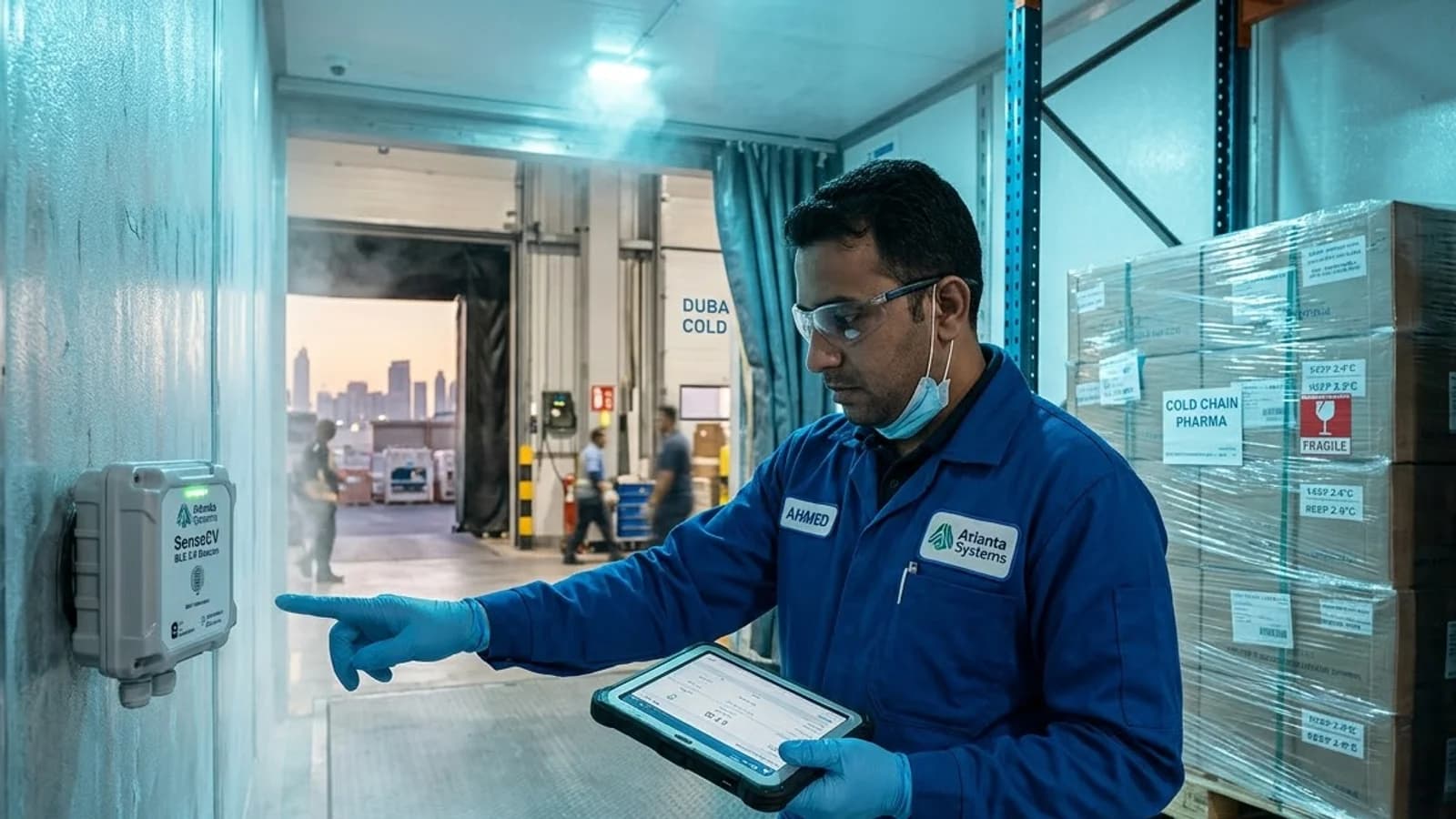
Bluetooth (BLE). BLE 5.0 lets the tracker read wireless temperature sensors, fuel sensors, beacons and TPMS without extra wiring.
SIM options. An eSIM or embedded SIM is harder to steal or tamper with and simplifies roaming for cross-border fleets.
Remote management. FOTA (firmware over the air) and SMS or GPRS configuration commands are essential for fleets larger than a few vehicles.
Which Atlanta 4G tracker fits your fleet?
| Use case | Recommended device | Why |
|---|---|---|
| Cars, vans, rentals, two-wheelers | LC-400 | Compact (72 g), built-in SOS button, jamming detection |
| Light and medium commercial vehicles with sensors | TC-400 | 9–90 V, BLE 5.0 for TPMS, fuel and temperature sensors, 47-channel GNSS |
| Vehicles exposed to dust and water, with 2G fallback | G-400 | IP-54 casing, battery backup, LTE with 2G fallback |
| Indian buses, taxis and permit trucks | ATL-440 | AIS-140 certified, CAN, RS485, IP67 |
| Multi-sensor vehicles, depots and industrial sites | GWC-100 gateway | LTE, BLE, Wi-Fi, CAN FD, Ethernet, optional eSIM, built-in security chip |
Tracker or gateway?
A tracker reports position and a few sensor values. A gateway such as the GWC-100 collects data from many sources (CAN FD, BLE sensors, Wi-Fi and Ethernet) and pushes it to the cloud. Choose a gateway when one vehicle or site has many connected sensors, or when you need ELD features and secure, encrypted communication.
Avoiding data gaps
Gaps in tracking data usually come from three causes:
Weak coverage. Choose a device with good antenna sensitivity and a large data buffer.
Power loss. An internal battery keeps the device reporting after disconnection and sends a tamper alert.
Wrong reporting settings. Set shorter intervals while moving and longer ones when parked to balance data and cost.
Note for Fleet Managers: dual-SIM is mentioned in many old posts. Confirm which Atlanta devices support dual-SIM before adding it here.
Frequently Asked Questions (FAQs)
How often does a 4G GPS tracker update location? The interval is configurable, typically from a few seconds to a few minutes while moving. Shorter intervals give smoother routes but use more data.
Will a 4G tracker work where there’s no 4G? Models with 2G fallback, such as the G-400 and ATL-440, switch to 2G automatically. All Atlanta trackers store data when there is no network.
Can I connect a fuel sensor to a GPS tracker? Yes. The TC-400 and ATL-440 support fuel level sensors over BLE and analog, and the ATL-440 also over RS232.
What is an eSIM GPS tracker? It’s a tracker with a SIM chip soldered on the board instead of a removable card. It cannot be removed by thieves and can be provisioned remotely.
Do you supply trackers for export markets? Yes. Atlanta Systems ships to 27+ countries. Confirm the LTE band variant for your country when ordering.
Next step: browse all vehicle trackers or talk to our team about the right device for your fleet.
Related reading: AIS-140 GPS tracker guide · OBD-II vs CAN bus telematics
Official engineering publication group at Atlanta Systems Pvt. Ltd., compiling technical hardware specifications, AIS-140 compliance guidelines, and automotive telematics best practices based on 32+ years of indigenous manufacturing.