Cargo Security and Vehicle Immobilizers: Protecting Freight on High-Risk Routes

Table of Contents
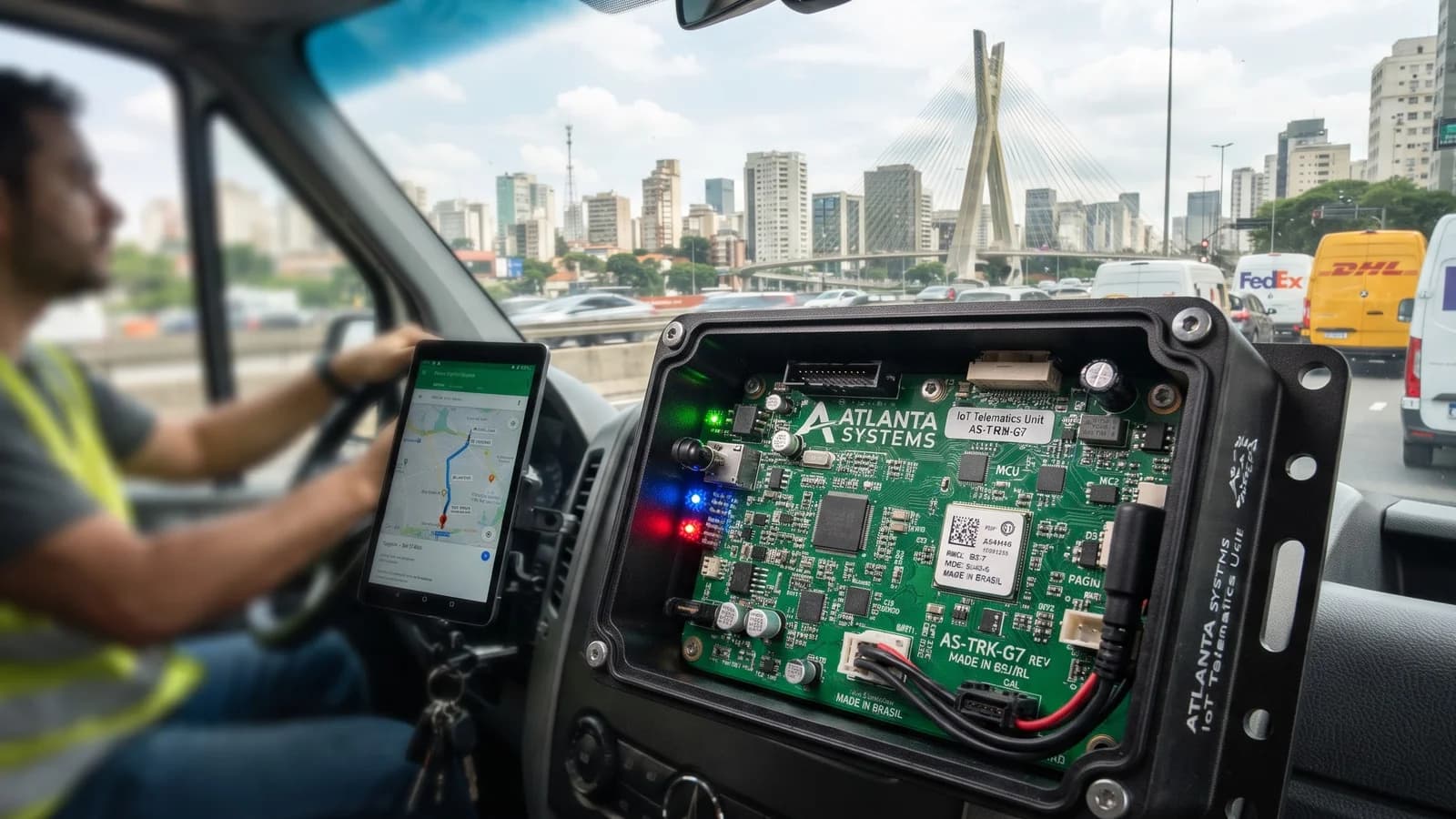
Cargo theft hits the same weak points again and again: overnight stops, unattended trailers and long, remote highway stretches. Good cargo security combines continuous tracking, early warnings and the ability to act remotely before goods disappear. The four layers of cargo security
| Layer | What it does | Hardware |
|---|---|---|
| 1. Continuous tracking | Live location and full route history, even through weak-coverage areas | Hardwired 4G tracker with data buffer (ATL-440, TC-400) |
| 2. Tamper and jamming alerts | Warns if power is cut, the device is removed or a GPS/GSM jammer is used | LC-400 (jamming detection), internal backup battery |
| 3. Remote immobilization | Stops a stolen vehicle from restarting | Tracker digital output + relay |
| 4. Backup tracker | Hidden second tracker inside the cargo or trailer | Magnetic battery asset trackers (MTC-500, AM-400) |
How remote immobilization works
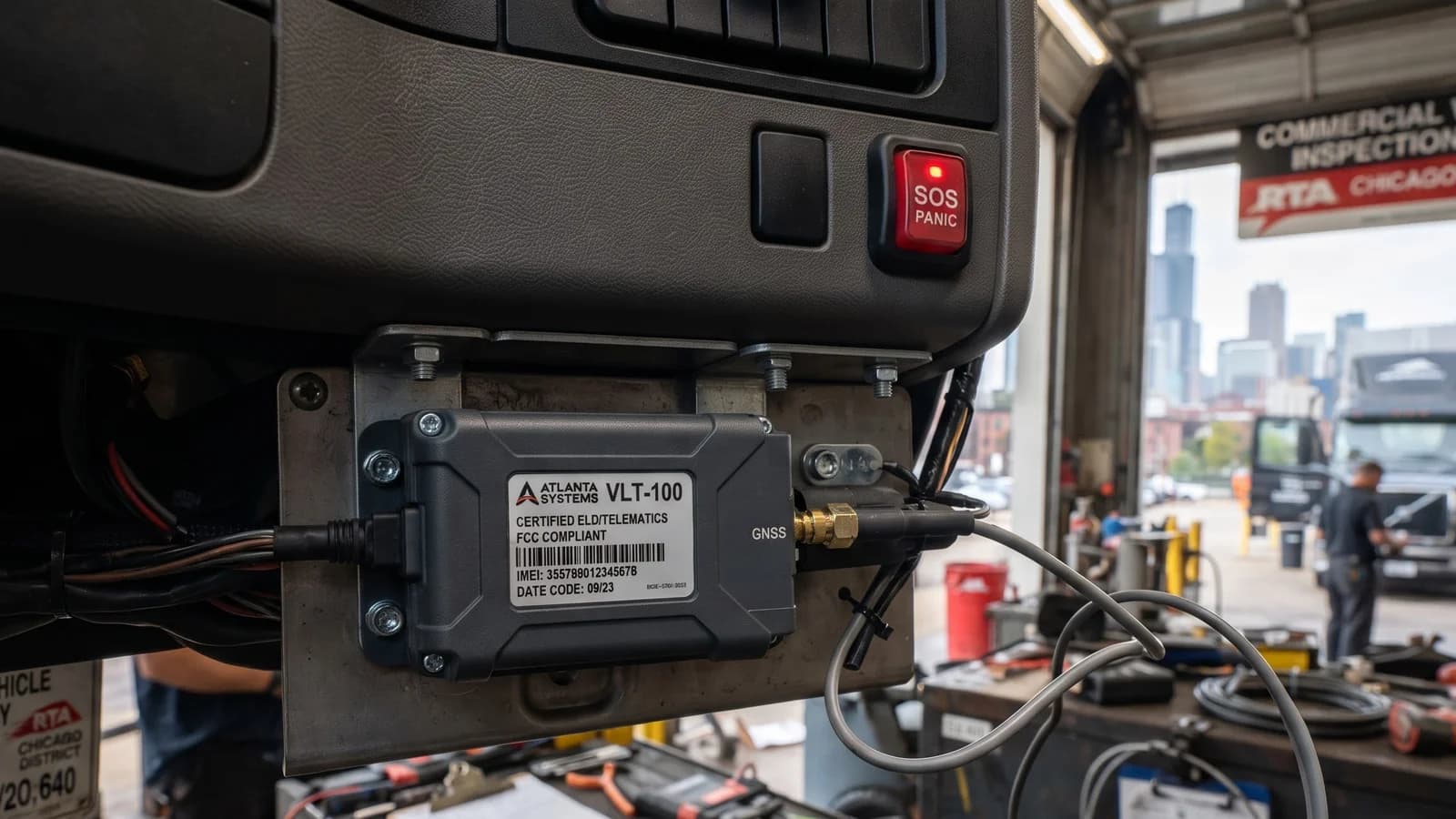
Trackers with a digital output (DOUT), such as the ATL-440 (4 outputs) and LC-400, can control a relay wired into the vehicle’s starter or fuel pump circuit. When the control room confirms a theft, it sends a command and the vehicle cannot be restarted once the engine is switched off.
Safety first: never cut the engine of a moving vehicle. A properly designed immobilizer only blocks restarting, or acts once the vehicle has stopped. Installation must be done by a trained technician. [EDITOR: confirm Atlanta’s recommended immobilizer relay kit and installation policy before publishing.]
Jamming: the thief’s favourite tool
Organised thieves often use cheap jammers to block GPS and mobile signals. A tracker with jamming detection, such as the LC-400, recognises the interference and immediately records an event. The alert reaches the control room as soon as any signal gets through, and the stored data is uploaded later.
Protecting trailers and containers
Trailers are often left unattended at yards and ports. A magnetic asset tracker with a long-life battery can be attached inside a trailer or container in seconds, with no wiring, and reports location on a schedule. Hidden inside the load, it acts as a backup if the main tracker is removed.
Geofences and route rules
Planned route corridor: alert if the vehicle leaves the agreed route
Approved stop zones: alert if it stops anywhere else for more than a few minutes
Night parking rules: alert on any movement or door opening during rest periods
Door sensors: connect cargo door sensors to tracker inputs to log every opening with location
Frequently Asked Questions (FAQs)
Can I immobilize a vehicle from my phone? Yes, if your platform supports it and the tracker has a relay installed. Strong access controls should limit who can send the command.
What if thieves remove the tracker? The tracker’s backup battery sends a removal alert. A hidden magnetic tracker in the cargo keeps reporting.
Is jamming detection reliable? It detects typical GSM and GPS jamming patterns. Combine it with geofences and a backup tracker for the best protection.
Do trackers work at ports and border crossings? Yes. Choose 4G devices with the right bands for each country and buffer enough data for coverage gaps.
Next step: see asset trackers or talk to us about a security plan for your routes.
Related reading: Fuel theft detection · 4G GPS tracker buying guide
Official engineering publication group at Atlanta Systems Pvt. Ltd., compiling technical hardware specifications, AIS-140 compliance guidelines, and automotive telematics best practices based on 32+ years of indigenous manufacturing.