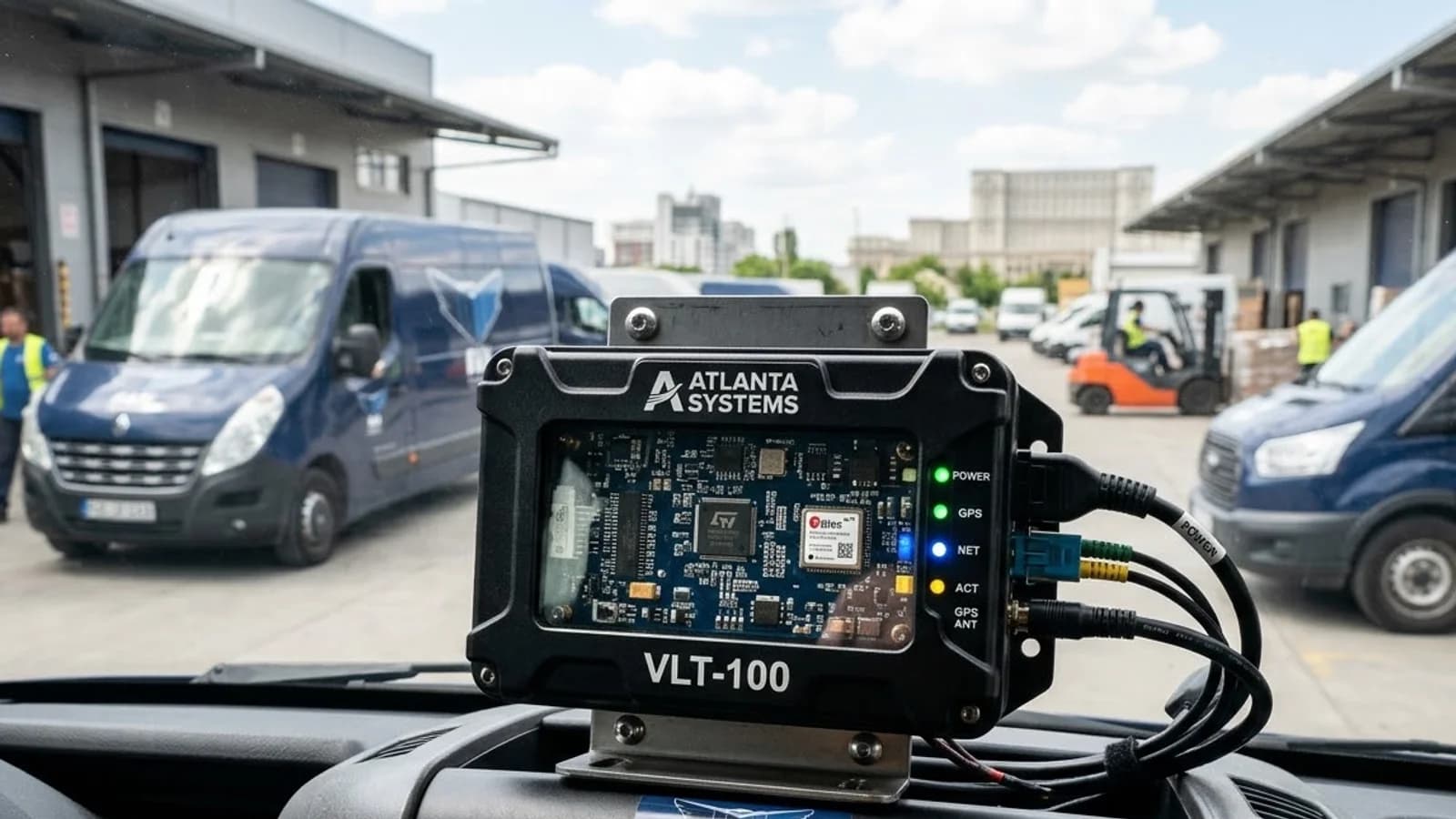
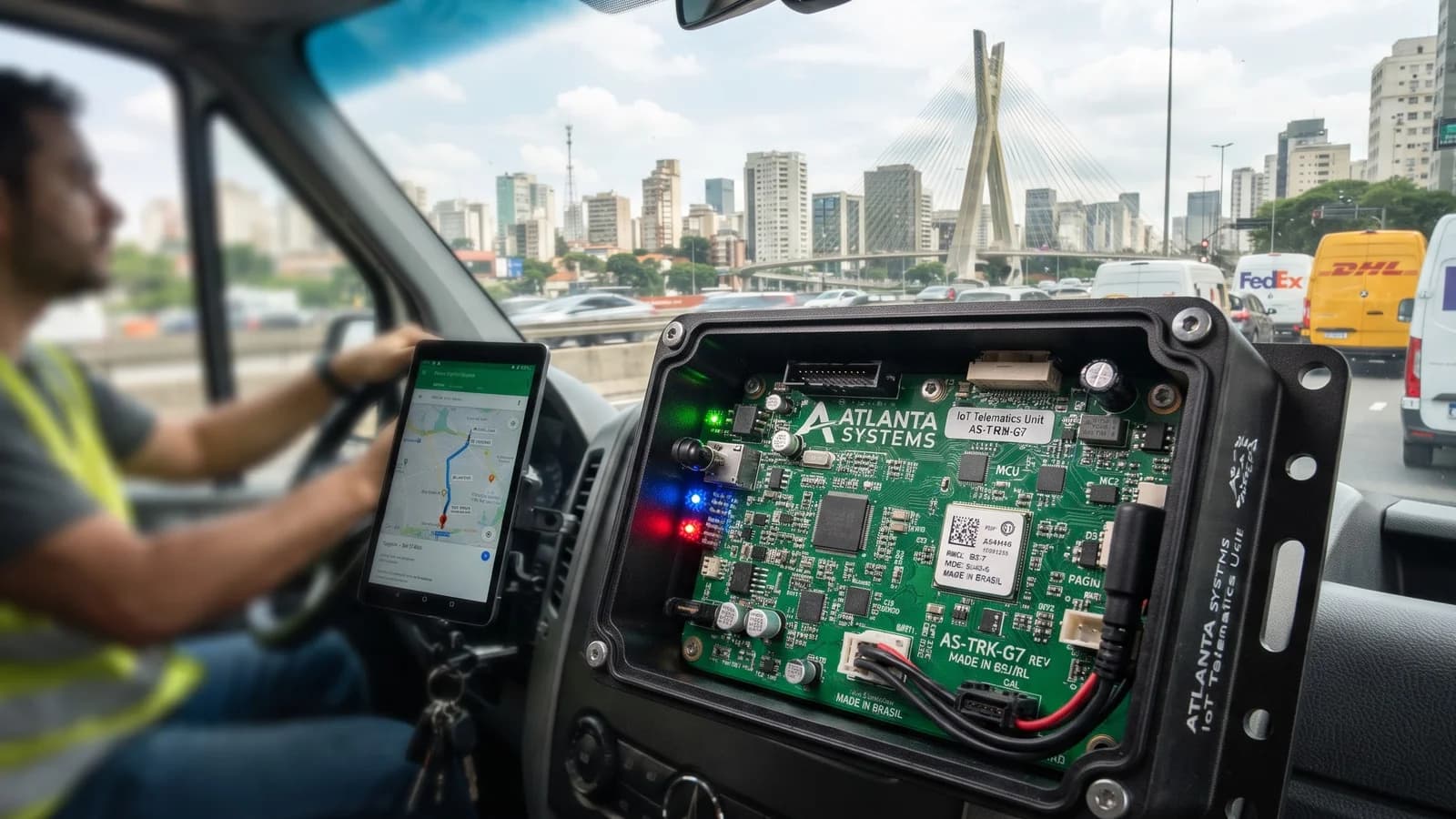
Made in India Telematics Hardware: Designed and Built for Extreme Conditions
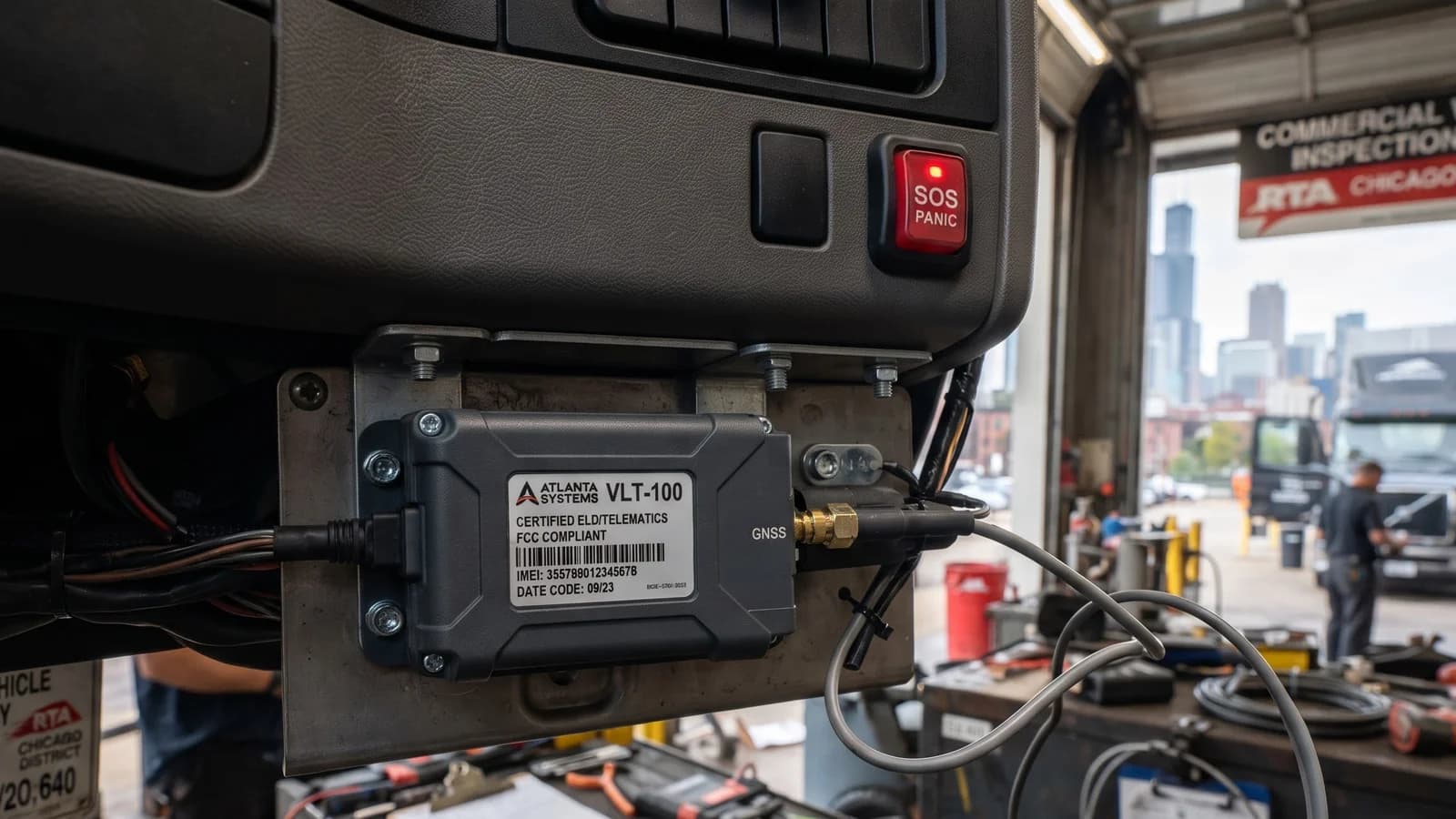
When you buy telematics hardware for thousands of vehicles, the manufacturer matters as much as the specification sheet. Devices must survive desert heat, monsoon humidity, mountain cold and years of vibration, and every unit in a batch must behave the same way. This article explains how Atlanta Systems builds hardware for those conditions. 30+ years of electronics manufacturing Atlanta Systems was founded in 1994. It started with pay phones, voice loggers and fixed wireless terminals, added POS and tracking devices in 2007, launched school bus solutions in 2013, IoT devices in 2020, EV telematics in 2023, and ADAS and DMS cameras in 2024. Today the company has delivered 1M+ devices to customers in 27+ countries, and is empanelled in 25+ Indian states and union territories for AIS-140. In-house, from circuit to cloud
| Stage | What is done in-house |
|---|---|
| Product design | Hardware concept, PCB design and development |
| RF engineering | Antenna design and tuning for GNSS, LTE and BLE |
| Firmware | Embedded firmware, protocols, FOTA updates |
| Manufacturing | 2 SMT manufacturing facilities, including one in a Special Economic Zone |
| Quality | Automated optical inspection (AOI), quality control and certified processes |
| Field support | Installation, calibration and replacement services |
Controlling every stage means faster customisation for OEM customers, consistent quality across batches, and firmware updates when regulations change. Built for heat, dust, water and altitude Real-world conditions are far tougher than an office test bench: Heat: devices are rated for wide temperature ranges. For example, the ATL-440 runs from –30 °C to +75 °C without battery, and Atlanta sensors run from –40 °C to +85 °C. Dust and water: IP65, IP67 and IP68 enclosures, plus IP67/IP69K potting options for harsh environments Electrical spikes: wide 9–90 V inputs with overvoltage and reverse-polarity protection on heavy-vehicle trackers Vibration: compact, potted designs and secure mounting for trucks, mining and construction vehicles Altitude and remote areas: multi-constellation GNSS for fast satellite lock in valleys and mountains, and large data buffers for long stretches without coverage
Note for Fleet Managers: add details of environmental testing, such as thermal cycling, vibration and drop tests, plus photos of the SMT line. Original factory photos are strong trust signals for Google and buyers.
Certifications Atlanta integrates ISO 9001, CE, FCC and RoHS standards across its manufacturing. Its AIS-140 devices are certified for Indian public and commercial transport. [EDITOR: list certificate numbers or link to certificates.] OEM and white-label partnerships Distributors, telematics platforms and vehicle manufacturers can work with Atlanta on:
- Custom hardware and enclosure design
Private-label branding Firmware customisation and protocol integration Regional certification support
Frequently Asked Questions (FAQs)
Where are Atlanta Systems devices manufactured? In Atlanta’s own SMT manufacturing facilities in India.
Do you offer OEM or white-label devices? Yes. See the partner program or contact us.
Which countries do you export to? Atlanta serves customers in 27+ countries, including the Middle East, Africa, Southeast Asia and the Americas. [EDITOR: confirm the region list.]
How do you ensure batch consistency? Automated SMT assembly, AOI inspection and standardised firmware ensure that units in a batch behave the same way.
Next step: learn more about Atlanta Systems or explore OEM manufacturing.
Related reading: 4G GPS tracker buying guide · AIS-140 GPS tracker guide
Co-Founder at Atlanta Systems Pvt. Ltd., spearheading large-scale global telematics supply chains, commercial fleet compliance deployments, and OEM electronics manufacturing partnerships.