AI Dual-Lens Dash Cams from Atlanta Systems Reducing Accidents on Los Angeles I-710 Port Drayage Routes
Table of Contents
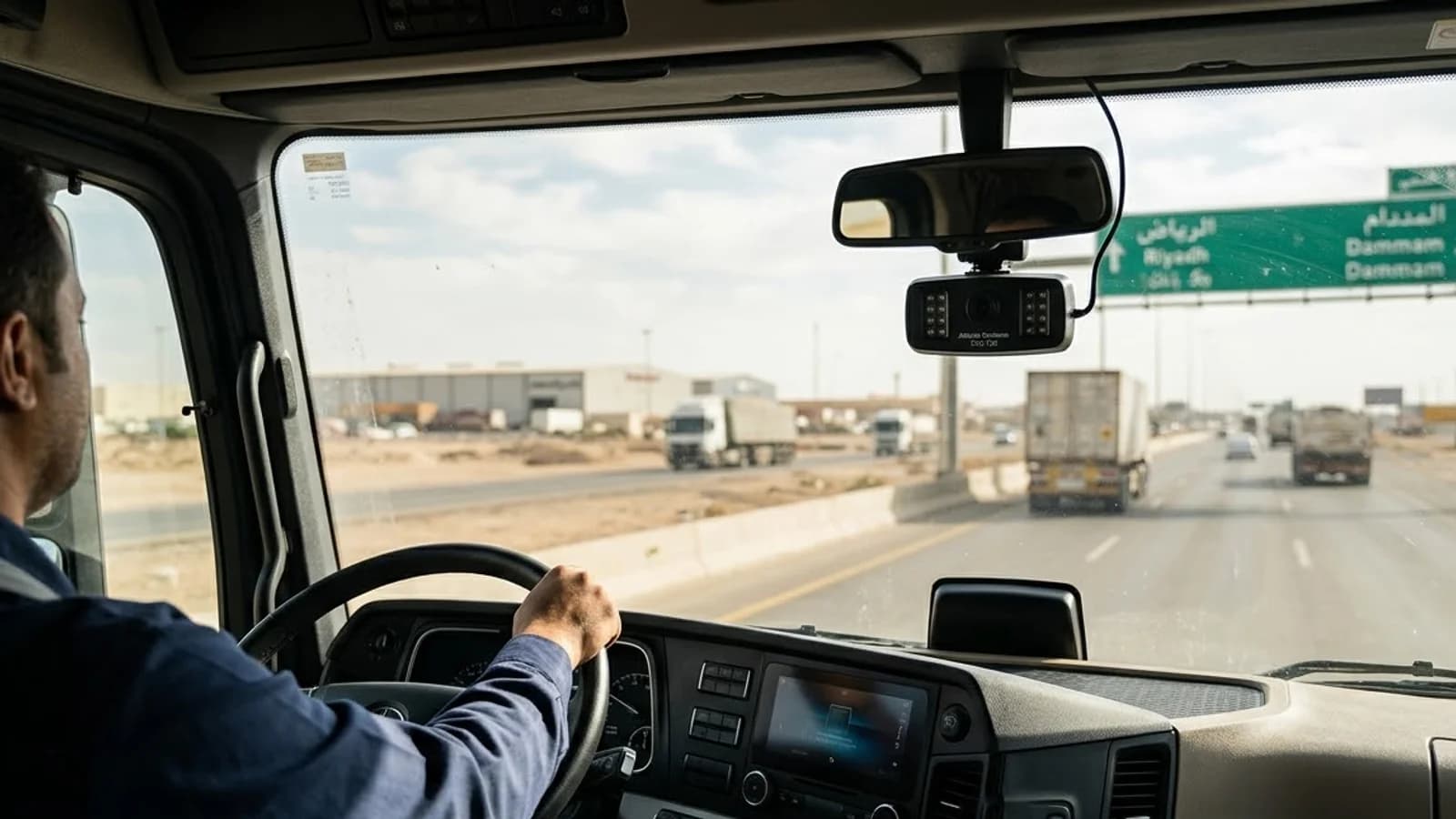
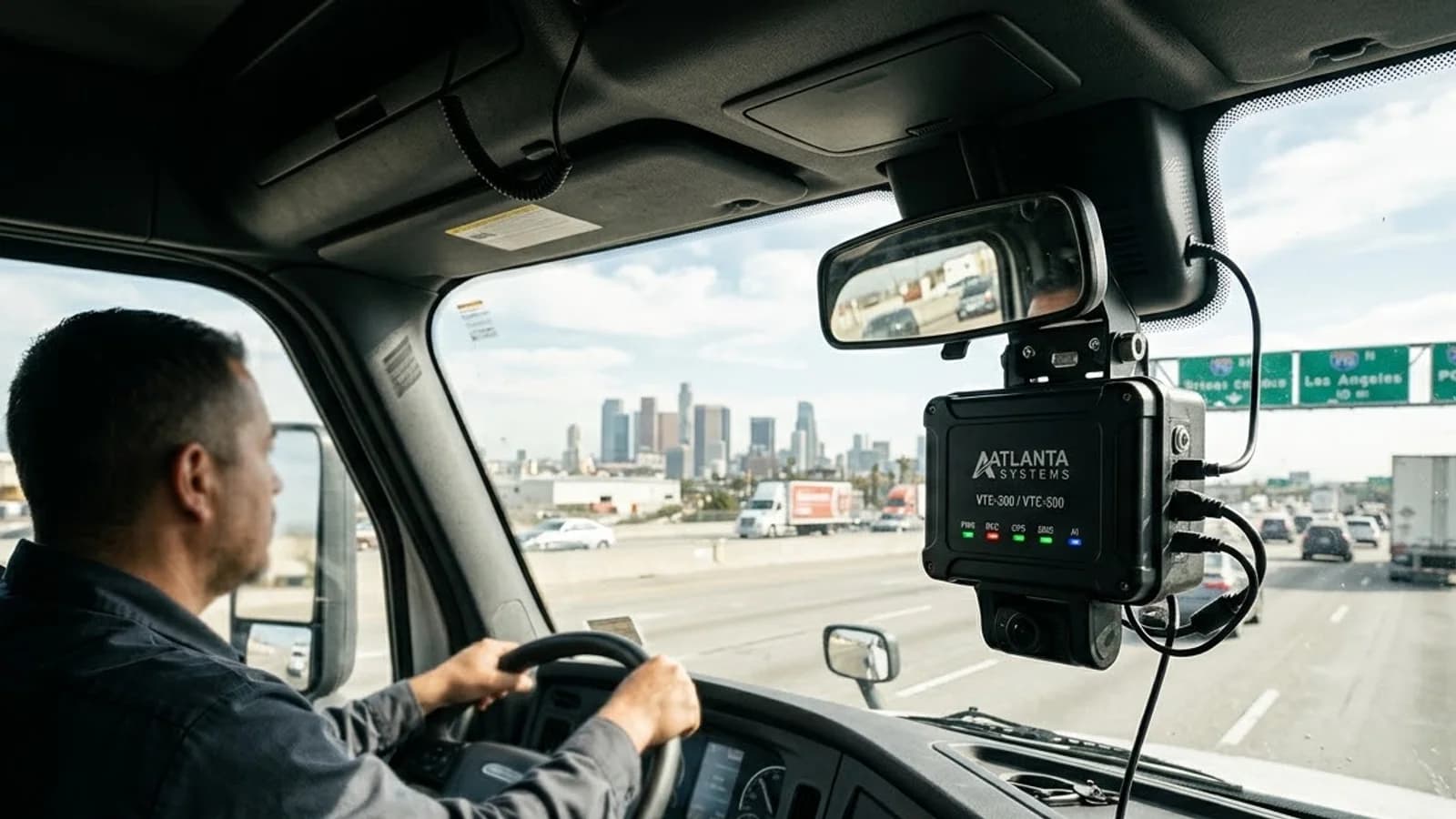
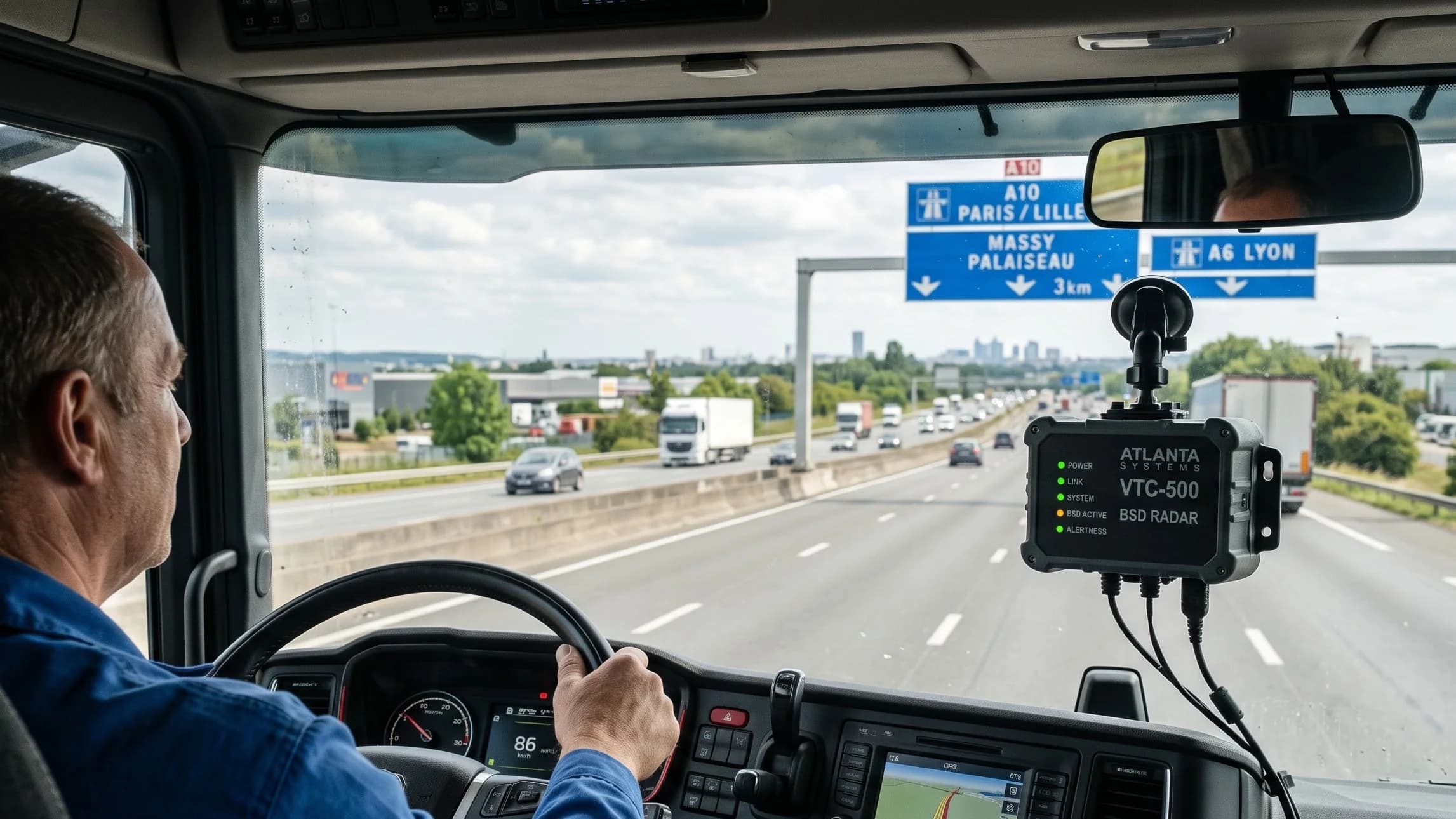
The Interstate 710 corridor in Southern California is one of the most heavily traveled freight highways in the world. Connecting the twin ports of Los Angeles and Long Beach—the nation's busiest container gateway—with major intermodal rail hubs and Inland Empire distribution centers, the I-710 carries up to 50,000 heavy commercial trucks every day. Operating in this dense, stop-and-go maritime drayage corridor presents extreme safety risks: constant lane mergers by passenger cars, heavy pedestrian activity near harbor gates, and intense driver fatigue during extended turn-around delays. In California's highly litigious commercial transport landscape, where trucking companies face nuclear verdicts and aggressive insurance rate hikes, video evidence and proactive accident prevention are critical business necessities. Atlanta Systems' AVD-201 3-Channel AI Video Telematics Dash Cam delivers real-time edge artificial intelligence that prevents collisions before they occur while providing indisputable video exoneration.
The High-Risk Realities of Port Drayage Operations
Port drayage hauling along the I-710 corridor presents specific operational challenges that traditional breadcrumb GPS trackers cannot address:
```
```
When an accident occurs, commercial drivers are routinely presumed at fault by responding law enforcement unless clear, tamper-evident video proves otherwise. Furthermore, reactive camera systems that merely record video to an SD card for post-incident review fail to prevent accidents in real time. Fleet safety directors require active, on-edge artificial intelligence capable of warning drivers before impacts occur.
Hardware & Optical Architecture: The AVD-201
The Atlanta Systems AVD-201 is engineered as a dedicated 3-channel automotive AI safety computer, integrating multi-lens optical capture with dedicated Neural Processing Units (NPUs):
```
```
1. Dual Independent Neural Processing Units
Unlike consumer dash cams that attempt to run vision processing on low-power ARM microcontrollers, the AVD-201 integrates high-performance 2.0 TOPS dedicated NPU silicon. This dedicated hardware processes video frames at 30 frames per second directly on the edge, ensuring real-time threat detection with latencies below 80 milliseconds.
2. High-Dynamic Range (HDR) Optical Sensors
Port drayage trucks transition frequently between glaring Pacific sunlight along coastal terminals and dim underpasses beneath rail bridges. The AVD-201 incorporates Sony STARVIS 2 CMOS sensors with wide dynamic range, resolving license plates and road obstacles clearly in harsh direct sunlight and night-time rain.
Proactive Collision Prevention: Road-Facing ADAS
The forward-looking camera operates as an advanced driver assistance system (ADAS), continuously analyzing road geometry and vehicles ahead:
``
[Vehicle Ahead Brakes Abruptly on I-710]
|
v
[AVD-201 Forward Lens Detects Closing Distance & Speed Differential]
|
v  (< 80 ms Detection Latency)
[Edge NPU Calculates Time-to-Collision (TTC) < 2.0 Seconds]
|
v
[High-Decibel In-Cab Audible Alert: "WARNING: BRAKE NOW!"]
|
v
[Driver Reacts & Brakes Safely, Preventing Collision]
``
- Forward Collision Warning (FCW): Calculates Time-to-Collision (TTC) based on speed differentials, issuing urgent voice prompts if an impact is imminent within 2.5 seconds.
- Headway Monitoring Warning (HMW): Alerts drivers who persistently tailgate passenger cars at highway speeds, coaching them to maintain a safe stopping cushion.
- Pedestrian Collision Warning (PCW): Highly critical within congested port container yards; identifies pedestrians, dock workers, and forklift operators moving across terminal pathways.
Combating Fatigue and Distraction: Driver-Facing DMS
Long wait times at terminal gates followed by high-speed highway hauls create acute driver fatigue. The in-cabin lens of the AVD-201 is trained on driver biometric gestures using invisible 940nm infrared illumination:
```
Official engineering publication group at Atlanta Systems Pvt. Ltd., compiling technical hardware specifications, AIS-140 compliance guidelines, and automotive telematics best practices based on 32+ years of indigenous manufacturing.