BSD Blind Spot Detection Hardware by Atlanta Systems Protecting Urban Fleets in Mexico City's Periférico
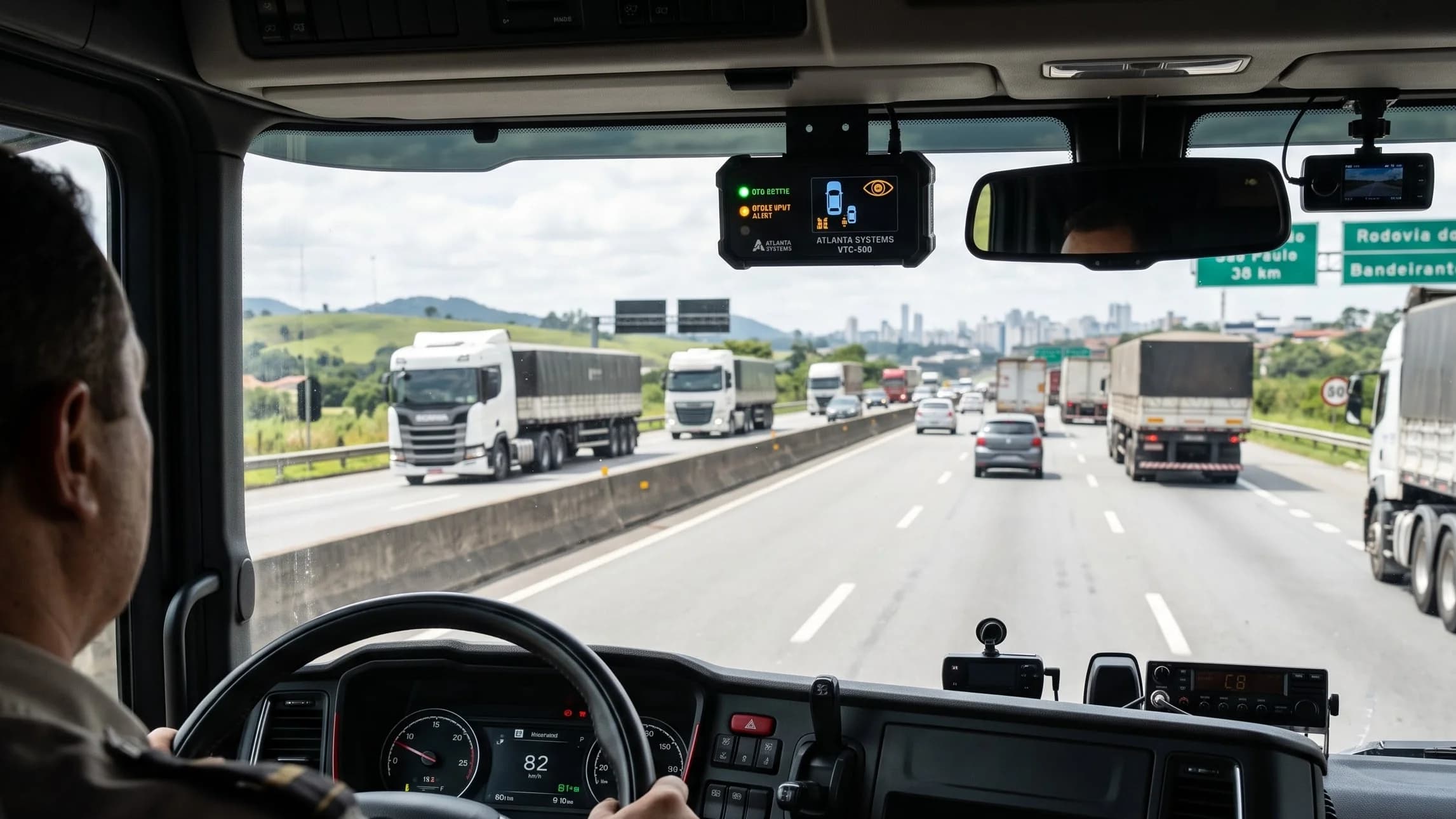
Table of Contents
- The Urban Challenge: Blind Spots on Mexico City's Anillo Periférico
- Hardware Architecture: AVD-100 Side AI Camera & In-Cab Display
- Cab Wiring & Installation Topology
- Technical Comparison: AI Vision BSD vs. Radar & Ultrasonic Sensors
- Urban Fleet Deployment Case Study: Mexico City Distribution
- Conclusion & Engineering Support
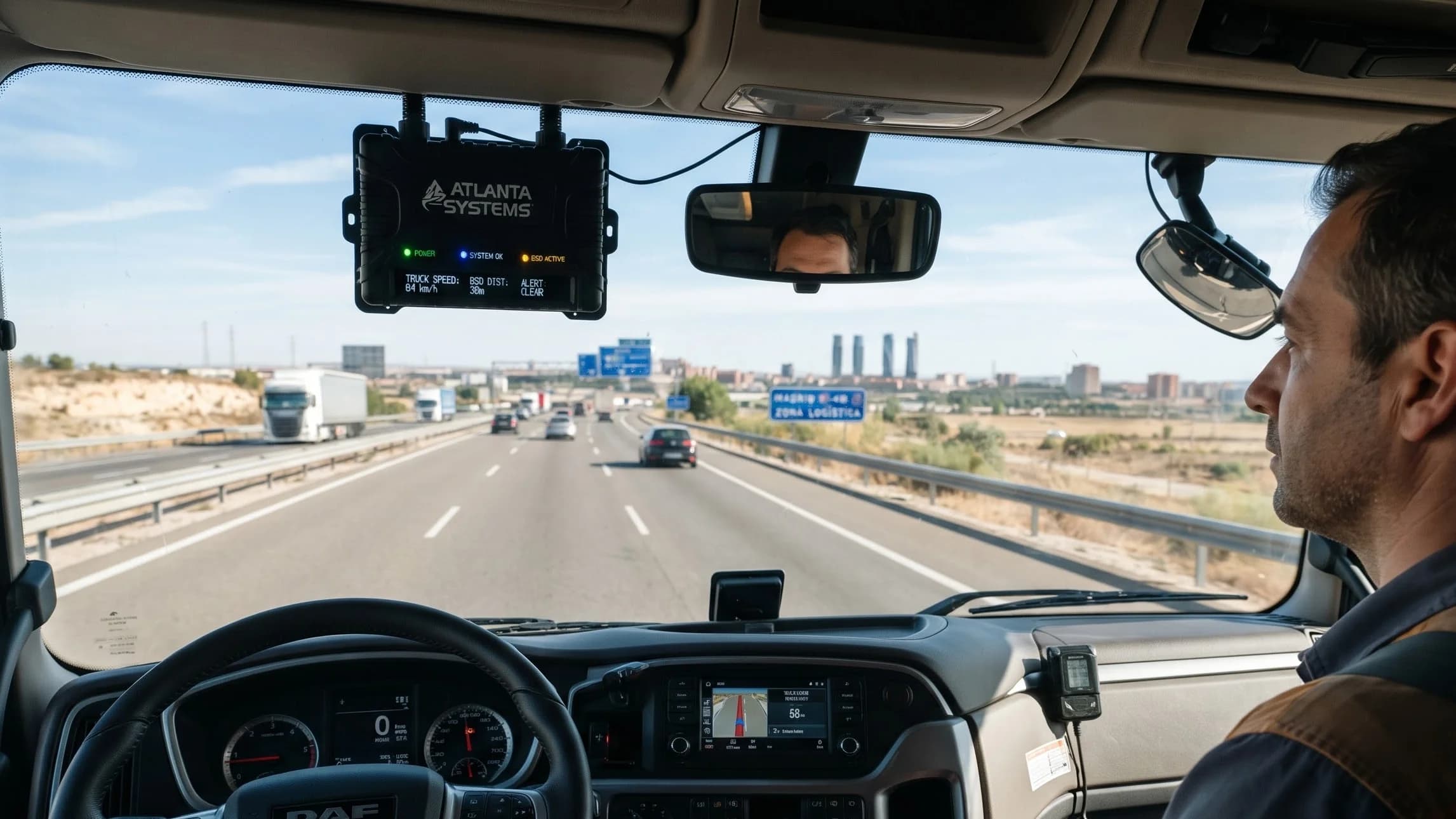
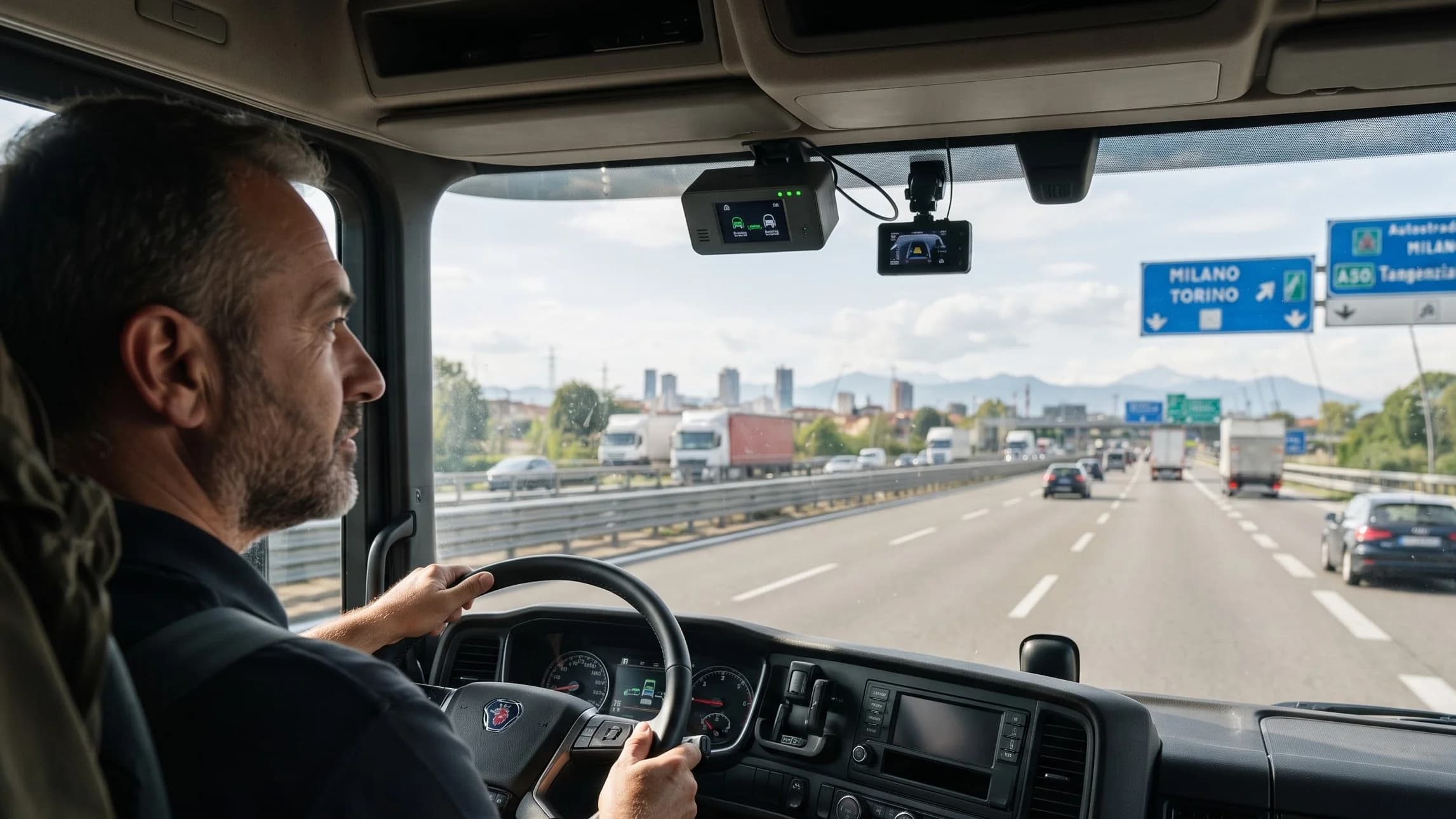
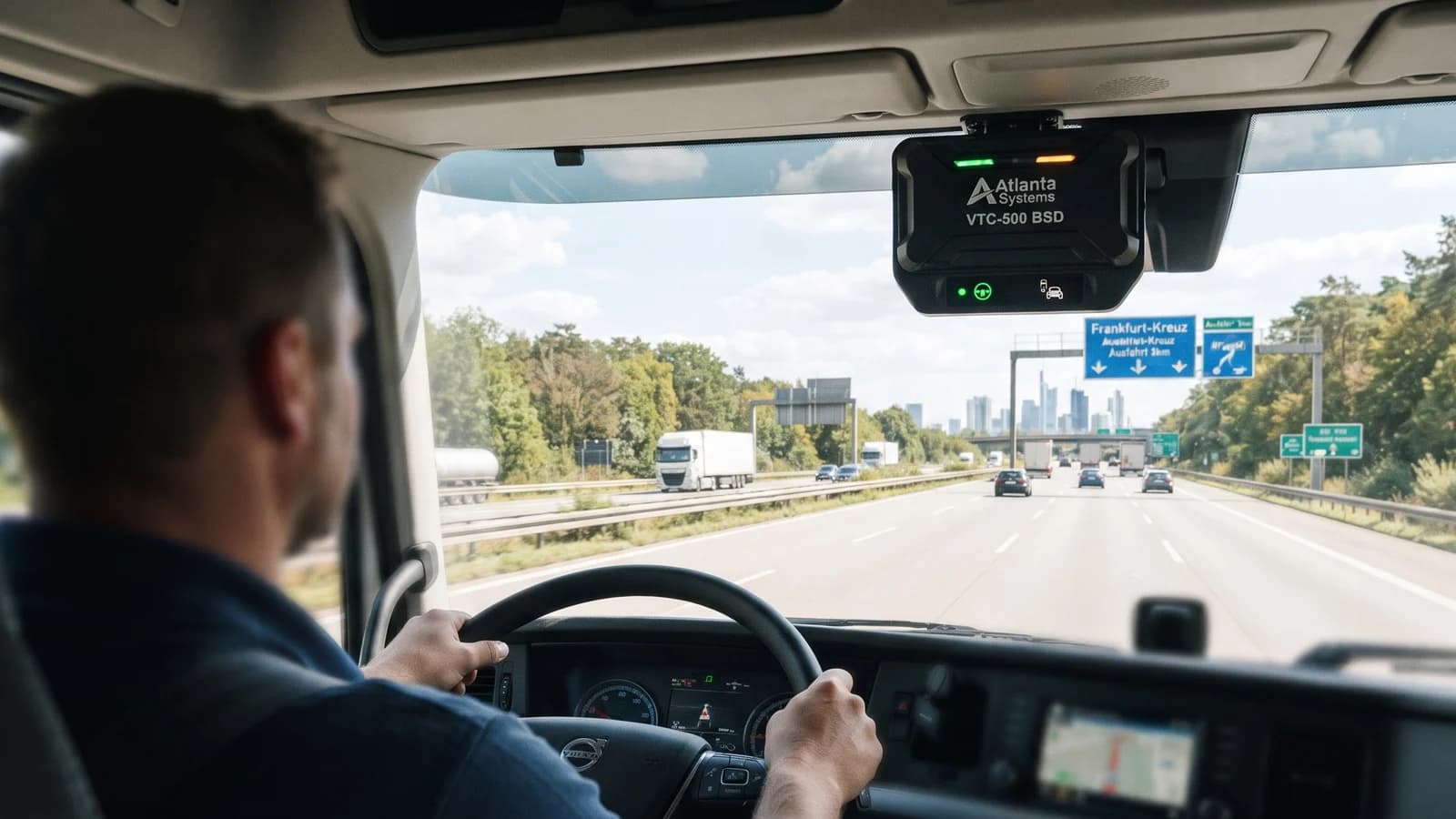
Navigating heavy commercial vehicles through the dense urban arterial networks of Mexico City represents one of the most demanding operational environments in the Americas. The Anillo Periférico, Circuito Interior, and Viaducto Miguel Alemán carry hundreds of thousands of passenger cars, delivery vans, motorcycles, and micro-mobility riders in perpetual congestion. For medium- and heavy-duty delivery trucks, urban buses, and concrete mixers, the severe blind zones along the vehicle's lateral sides and passenger-side curb present an ongoing collision hazard during lane changes and tight right-turn maneuvers. Atlanta Systems provides heavy commercial fleets with certified Blind Spot Detection (BSD) hardware, utilizing the AVD-100 side-mounted AI active camera sensor and the AVD-201 dual-channel multi-sensor telematics gateway. This edge-AI vision system delivers millisecond-level audio-visual warnings to drivers, actively preventing side-swipe collisions and pedestrian impact in congested metropolitan corridors.
The Urban Challenge: Blind Spots on Mexico City's Anillo Periférico
Heavy commercial vehicles operating on the Periférico encounter continuous, erratic lane changes, lane splitting by delivery motorcycles, and dense pedestrian traffic near transit hubs like Tacubaya, San Jerónimo, and Indios Verdes. A typical standard rigid 2-axle or 3-axle freight truck features significant visual blind zones:
- The Class V / Class VI Curb Blind Zone: The direct lateral area immediately adjacent to the passenger-side cab door, where small passenger hatchbacks and motorcycles disappear below the driver's window sightline.
- The Turn-Sweep Hazard Zone: When long-wheelbase urban delivery vehicles execute right turns from lateral feeder lanes into avenues, the trailing rear axle sweeps inwards, creating an immediate crushing hazard for cyclists and pedestrians.
- Severe Weather and Lighting Variations: High midday glare followed by sudden tropical downpours during the summer rainy season drastically impairs optical visibility through conventional side mirrors.
Passive wide-angle mirrors are insufficient when traffic moves dynamically across multiple lanes. Active Blind Spot Detection with edge-computed deep neural networks provides instantaneous target classification, alerting the driver only when a moving obstacle is on a collision course.
Hardware Architecture: AVD-100 Side AI Camera & In-Cab Display
The Atlanta Systems BSD safety suite integrates an IP69K exterior side camera housing, high-speed neural vision processing, and an intuitive in-cabin alert interface:
```
```
1. Robust IP69K Exterior Optical Enclosure
Urban commercial vehicles in Mexico City operate through dust, asphalt debris, and intense commercial pressure washing. The AVD-100 exterior camera is housed in a rugged die-cast aluminum enclosure with an IP69K rating, ensuring complete protection against high-temperature, high-pressure water jets and continuous road vibration conforming to ISO 16750 standards.
2. Multi-Class Deep Learning Object Recognition
Unlike ultrasonic sensors that trigger false alarms on highway guardrails, trash bins, or road debris, the AVD-100's embedded AI vision processor specifically recognizes and tracks:
- Vulnerable Road Users (VRUs): Pedestrians, cyclists, and scooter riders.
- Motorcycles and Mopeds: Fast-approaching split-lane two-wheelers.
- Passenger Cars & Light Commercials: Vehicles entering the lateral blind zone at relative closing speeds up to 60 km/h.
Cab Wiring & Installation Topology
Deploying BSD on urban distribution trucks (such as Freightliner M2, Isuzu Forward, or Kenworth T370) requires precise alignment and integration with the vehicle's directional signals:
```
```
- Camera Mounting Location: The AVD-100 is positioned on the passenger-side exterior mirror bracket or upper door frame at an elevation of 2.2 to 2.8 meters, angled downward at 35° to cover the full length of the chassis from the front bumper to 5 meters past the rear tail-lift.
- Directional Indicator Trigger: When the vehicle's right-turn signal is actuated, the system shifts into high-sensitivity mode. If any moving object enters the trajectory zone, the A-pillar LED indicator transitions from solid amber to rapid flashing red, accompanied by a directional audio chime.
- Speed Threshold Logic: Connected to the vehicle's CAN bus or speed sensor, the system suppresses non-essential parking-lot alerts at zero velocity while activating full detection zones as soon as the vehicle exceeds 5 km/h.
Technical Comparison: AI Vision BSD vs. Radar & Ultrasonic Sensors
| Feature / Metric | Atlanta Systems AVD-100 AI Vision | 24GHz / 77GHz Millimeter Radar | Ultrasonic Probes |
|---|---|---|---|
| Object Classification | Differentiates pedestrians, bikes, cars | Detects metal mass only (No classification) | Measures distance only |
| False Positive Rate | Ultra-Low (Ignores curbs and guardrails) | Moderate (Reflects off fences and poles) | High in urban congestion |
| Visual Verification | Live AHD Video Feed to In-Cab Screen | No visual context | No visual context |
| Coverage Zone | 135° Ultra-Wide with Dynamic Grid Calibration | 120° Fan-Beam | Limited to 2.5 meters |
| Maintenance & Cleaning | Single wipe-clean hydrophobic optical lens | Sensor face must stay clear of thick mud | Multi-hole sensors prone to clogging |
Urban Fleet Deployment Case Study: Mexico City Distribution
A major beverage and dry-goods distributor operating 140 delivery units throughout Mexico City retrofitted their fleet with the Atlanta Systems AVD-100 BSD system:
- Lateral Side-Swipe Collisions: Reduced by 84% across high-density routes along the Periférico and Calzada de Tlalpan.
- Motorcycle Incidents: Zero pedestrian or two-wheeler impacts recorded across 12 months of high-mileage urban routing.
- Driver Adoption: 96% positive driver feedback due to the elimination of false-alarm auditory fatigue common in older radar setups.
Conclusion & Engineering Support
Protecting vulnerable road users and safeguarding heavy vehicles in mega-cities like Mexico City requires purpose-built, ruggedized active detection hardware. The Atlanta Systems AVD-100 and AVD-201 BSD ecosystem provides commercial fleets with certified edge AI safety, seamless CAN integration, and dependable performance in demanding urban conditions.
For technical drawings, integration wire harnesses, and enterprise pilot trials, contact the Atlanta Systems Latin America commercial engineering desk at sn@atlantasys.com or explore our complete catalog at www.atlantasys.com.
Official engineering publication group at Atlanta Systems Pvt. Ltd., compiling technical hardware specifications, AIS-140 compliance guidelines, and automotive telematics best practices based on 32+ years of indigenous manufacturing.