CAN-Bus J1939 Readers by Atlanta Systems: Unlocking Engine Data on Houston's I-10 Energy Corridor
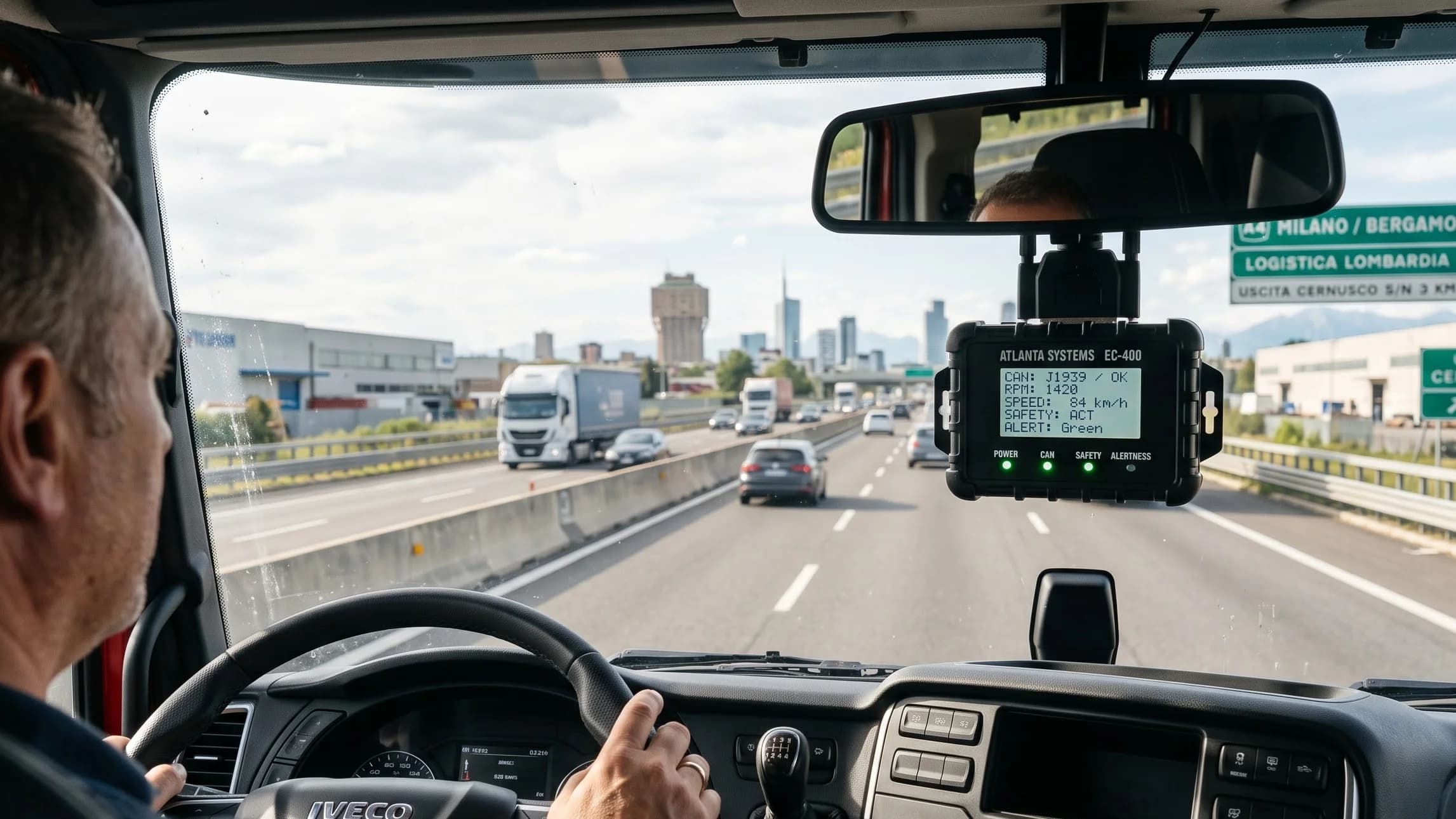
Table of Contents
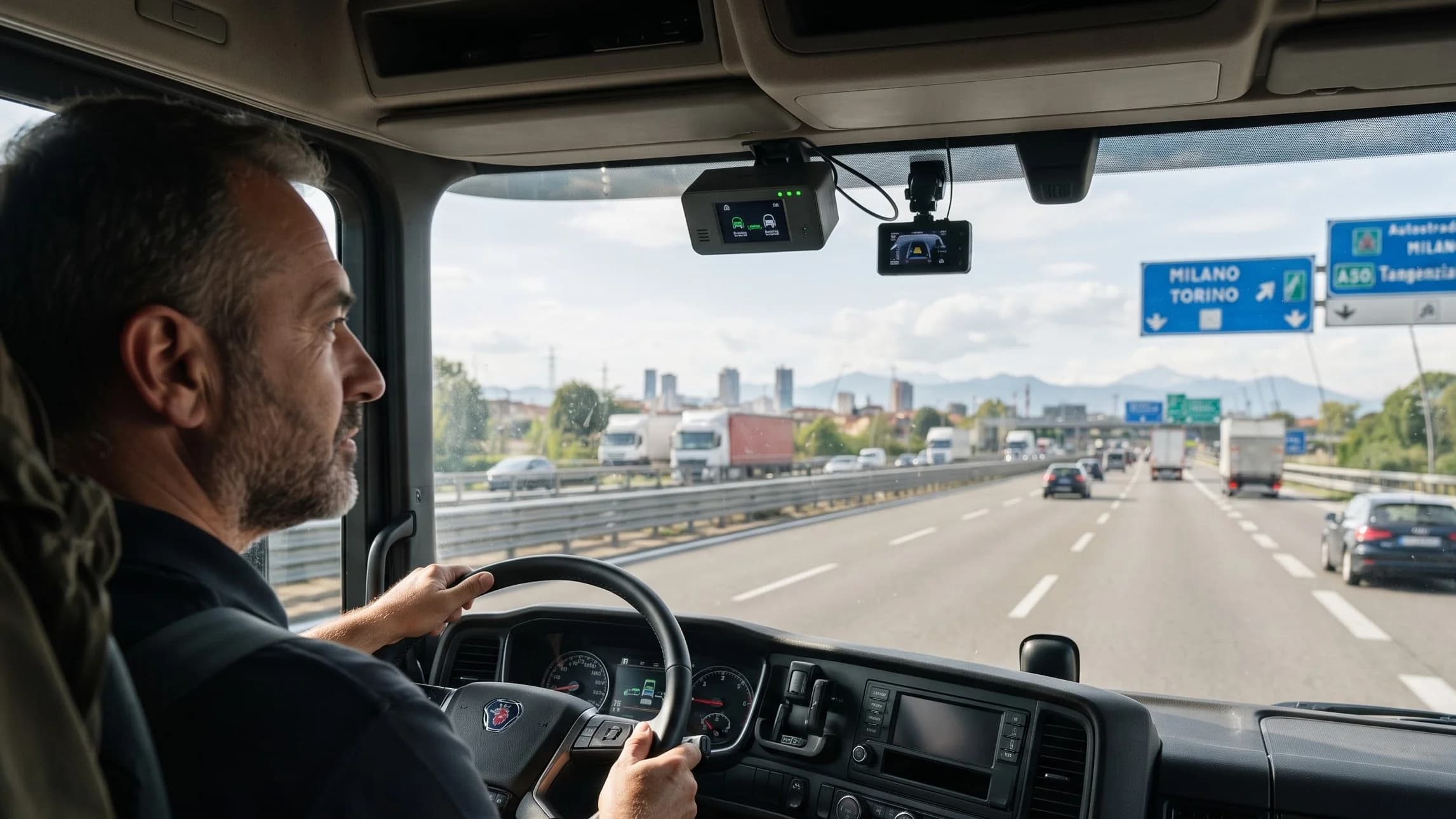
Heavy-duty commercial fleets operating across Texas face some of the most demanding transport duty cycles in North America. Along the heavily congested Interstate 10 Energy Corridor in Houston, through the sprawling industrial chemical terminals surrounding the Port of Houston, and across the rugged oilfield hauling roads of the Permian Basin, Class 7 and Class 8 trucks run around the clock. In these critical operations, unexpected engine failures and unscheduled downtime can cost fleet operators thousands of dollars per day in penalty clauses and lost revenue. While standard GPS trackers provide basic velocity and breadcrumb positioning, true fleet management requires deep access to internal engine diagnostics. Atlanta Systems' ELD Telematics Device and J1939 CAN-Bus Interface tap directly into heavy vehicle Controller Area Networks, unlocking real-time engineering telemetry that enables predictive maintenance, reduces fuel wastage, and safeguards vehicle health.
Why Standard OBD Telematics Falls Short on Class 8 Trucks
A common mistake made by fleet managers operating mixed vehicles is attempting to deploy passenger-car OBD-II hardware on heavy commercial rigs. Heavy-duty vehicles operate on completely distinct communication architectures:
```
```
SAE J1939 is a high-level communication protocol operating over a CAN 2.0B network. Rather than requiring diagnostic tools to repeatedly query the computer, heavy-duty Electronic Control Units (ECUs)—including the Engine Control Module (ECM), Transmission Control Module (TCM), and Electronic Braking System (EBS)—continuously broadcast parameters over the bus. Capturing and interpreting these high-speed message frames requires dedicated, optically isolated hardware capable of high-throughput filtering.
Hardware Architecture: Atlanta Systems J1939 Telematics Interface
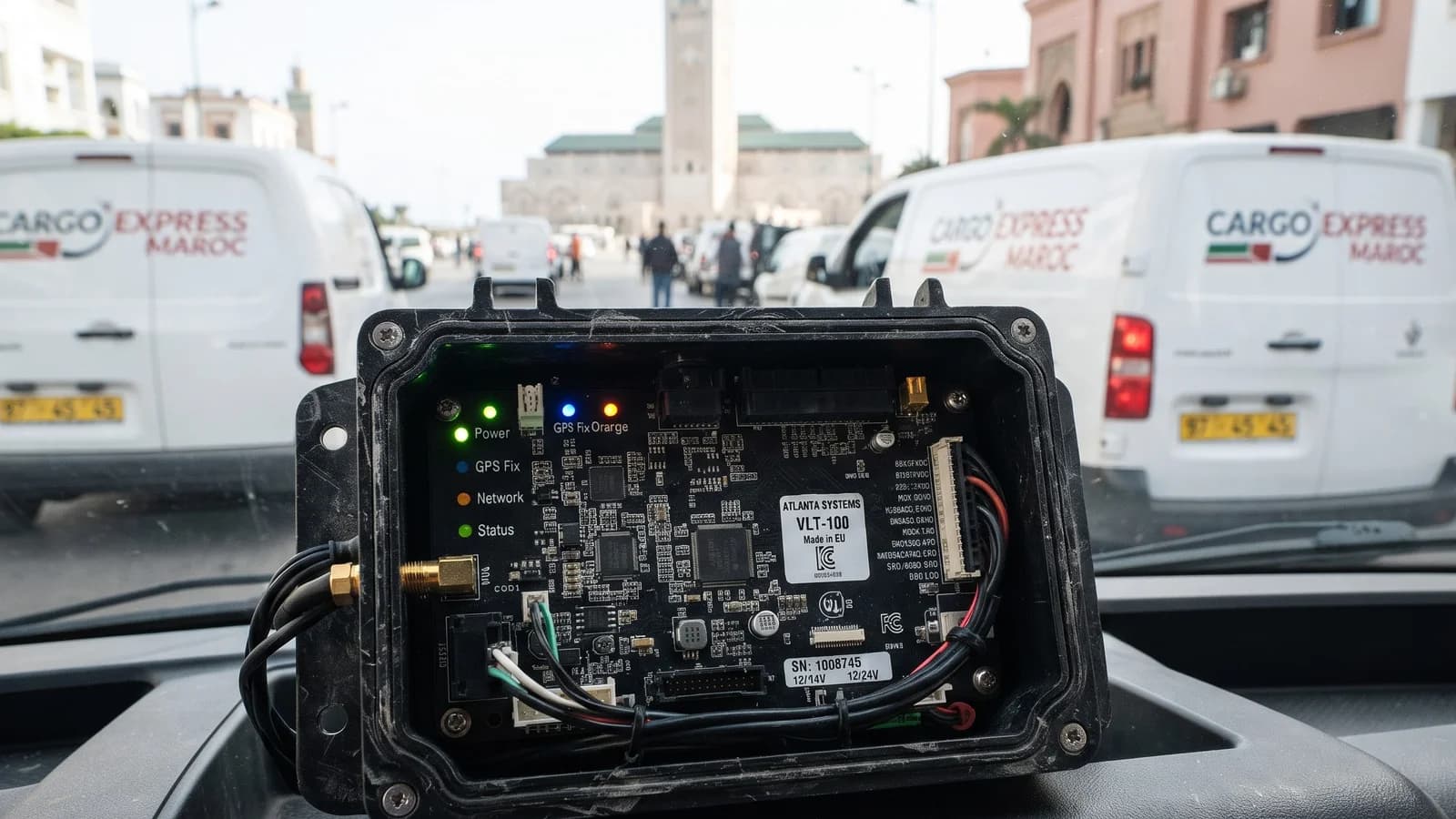
The Atlanta Systems heavy-duty telematics unit is engineered specifically for commercial Class 7 and 8 trucks (Peterbilt, Kenworth, Freightliner, Mack, and International):
```
```
1. High-Precision Engine Parameter Extraction
The Atlanta interface captures critical SAE J1939 Parameter Group Numbers (PGNs) in real time:
- Engine Speed & Load (PGN 61444 / SPN 190): Monitors engine RPM and percentage load at current speed, highlighting driver over-revving and engine lugging under heavy freight loads.
- Total Fuel Consumed & Fuel Rate (PGN 65266 / SPN 183): Ingests exact fuel consumption directly from the injectors, delivering 99%+ accuracy that reveals fuel theft, excessive idling, and injector clogging.
- Coolant & Oil Temperatures (PGN 65262 / SPN 110 & 175): Essential for hauling loads through Texas summer heat; detects cooling system degradation before cylinder head warping occurs.
- Brake Applications & Air Pressure (PGN 65215 / SPN 117): Tracks pneumatic braking reservoir pressure, alerting supervisors if pressure drops below safe operational thresholds.
2. Live Diagnostic Trouble Code (DTC) Extraction
When an engine dashboard light illuminates on a highway haul along I-10, drivers often cannot determine whether the fault is minor or an impending catastrophic breakdown. The Atlanta Systems device captures real-time Diagnostic Trouble Codes (DTCs), decoding both the Suspect Parameter Number (SPN) and Failure Mode Identifier (FMI):
``
[Truck ECM Detects Fault]
|
v  (Broadcasts over J1939 Bus)
[Atlanta J1939 Interface] ---> Reads SPN 111 (Coolant Level) / FMI 1 (Low Danger)
|
v  (Transmits via 4G LTE within 2 seconds)
[Fleet Dispatch / Maintenance Console]
"URGENT: Unit 402 - Coolant Level Critically Low. Stop Vehicle Immediately."
``
By receiving actionable fault codes in real time, maintenance directors can schedule repairs at terminal yards before small issues turn into $20,000 engine overhauls on the shoulder of the highway.
Preventing Electrical Interference: Galvanic Isolation
Connecting third-party electronic accessories to modern vehicle multiplex wiring carries significant risk. A short circuit or voltage transient introduced by poorly designed tracking dongles can damage expensive OEM engine computers or corrupt the safety-critical ABS braking bus.
Atlanta Systems eliminates this risk through galvanic and optoelectronic isolation:
- Physical and electrical separation between the vehicle's CAN transceiver lines and the telematics processor.
- High-impedance listening circuitry that guarantees zero active message injection onto safety-critical channels unless explicitly authorized for verified two-way commands (e.g., electronic speed limiting or remote diagnostics).
- Total compliance with SAE J1939-11 and J1939-15 physical layer shielding and termination standards.
Operational Impact for Texas Heavy Hauling Fleets
Deploying deep CAN bus telemetry across commercial hauling fleets delivers immediate return on investment across multiple core metrics:
| Fleet Metric | Standard GPS Tracker Only | Atlanta J1939 CAN Telematics |
|---|---|---|
| Fuel Monitoring | Estimated via mileage & tank averages | Direct ECM injector data (99.2% accurate) |
| Idle Time Tracking | Inferred from ignition on & zero speed | Exact PTO idle vs true stationary idle hours |
| Engine Health | Reactive (wait until truck breaks down) | Predictive (real-time SPN/FMI alerts) |
| Preventive Maintenance | Based on calendar weeks | Based on actual engine runtime hours & load |
| Driver Coaching | Harsh braking via basic accelerometer | True throttle percentage, cruise control use |
Conclusion: Transform Heavy Fleets with Authentic Data
For commercial transportation managers running heavy freight through Houston's industrial hubs and across the Texas highway network, superficial tracking is no longer sufficient. Atlanta Systems' J1939 CAN-bus telemetry interface bridges the gap between raw mechanical performance and cloud-based intelligence, delivering the precision diagnostic metrics required to maximize asset uptime and protect operational margins.
Founder of Atlanta Systems Pvt. Ltd. with 32+ years of embedded hardware and SMT engineering leadership, pioneering indigenous AIS-140 GPS trackers and automotive telematics across 27+ countries.