ADAS for Commercial Vehicles: Collision, Lane and Blind Spot Warnings Explained
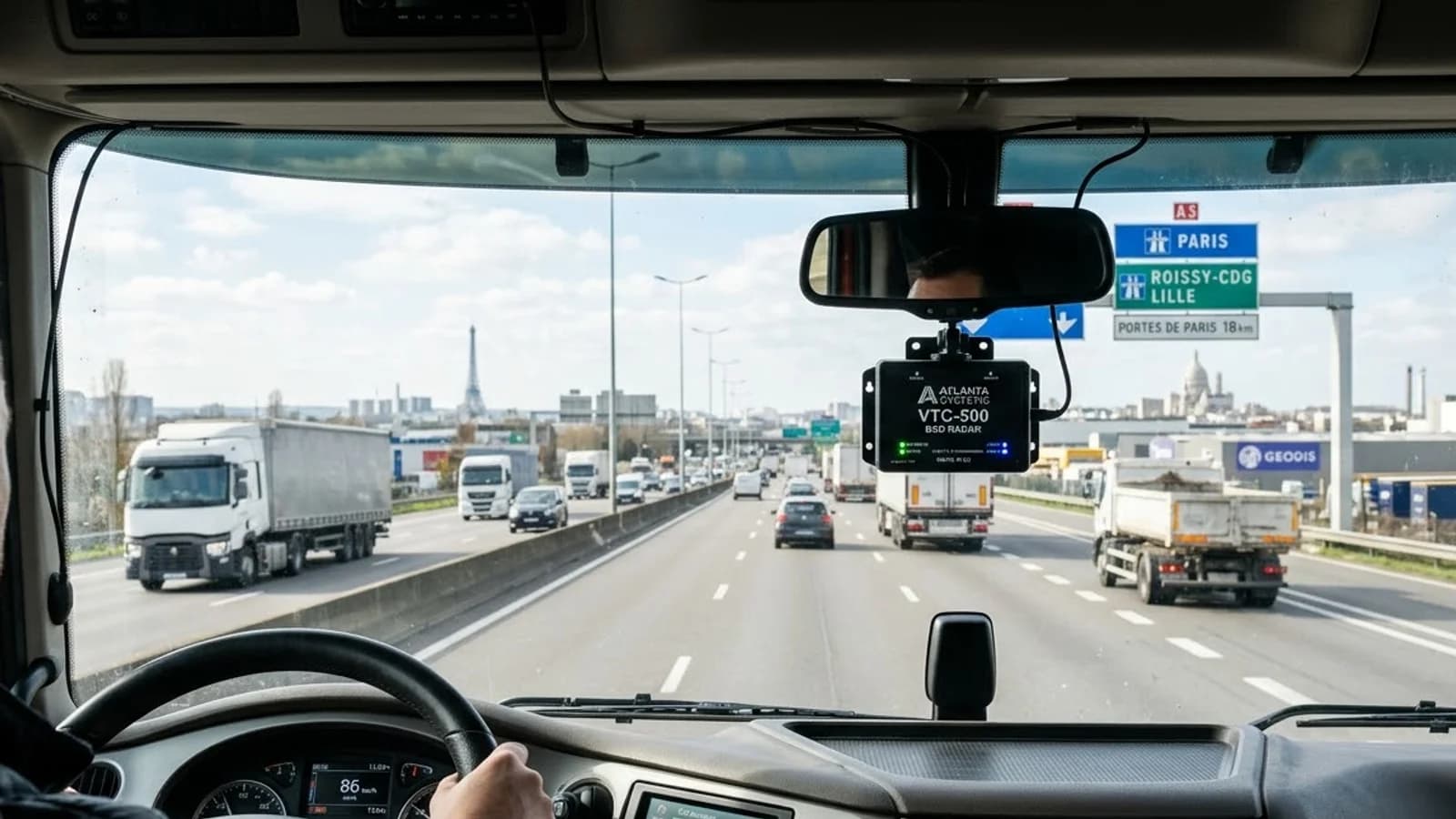
Table of Contents
New cars increasingly come with Advanced Driver Assistance Systems (ADAS). Most trucks, buses and vans already on the road do not. Retrofit ADAS adds the same warnings to existing vehicles, so you can improve safety without replacing your fleet. The core ADAS warnings
| Warning | What it does | Most useful for |
|---|---|---|
| Forward Collision Warning (FCW) | Alerts when the vehicle is closing too fast on the one ahead | Highway trucks, intercity buses |
| Headway Monitoring | Warns when following distance is too short | All fleets |
| Lane Departure Warning (LDW) | Alerts when the vehicle drifts out of its lane without indicating | Long-haul, night driving |
| Pedestrian Collision Warning | Detects people ahead | City buses, delivery vans |
| Blind Spot Detection (BSD) | Warns of cyclists, pedestrians or vehicles beside the vehicle | Urban trucks and buses turning left or right |
How retrofit ADAS works
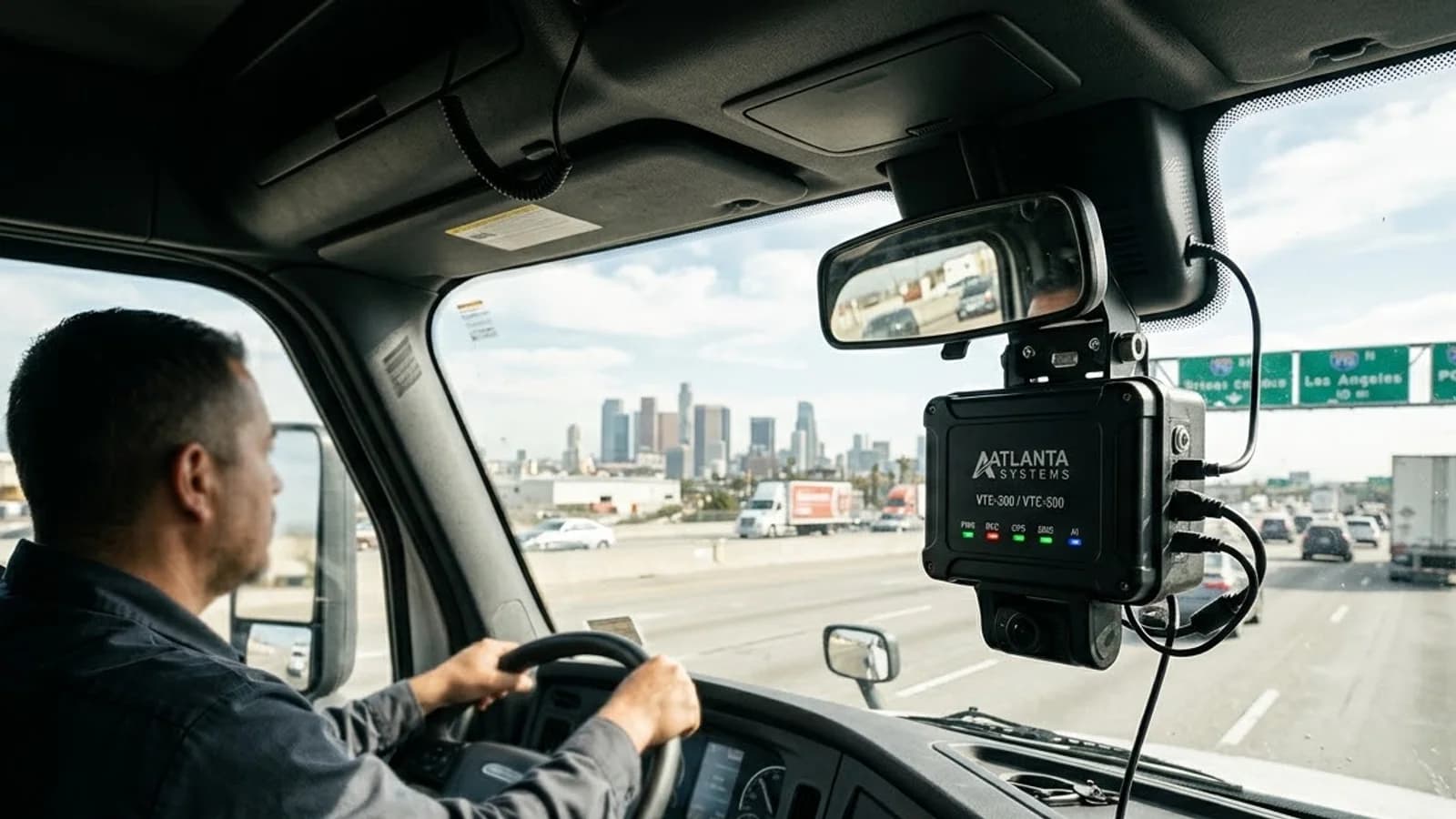
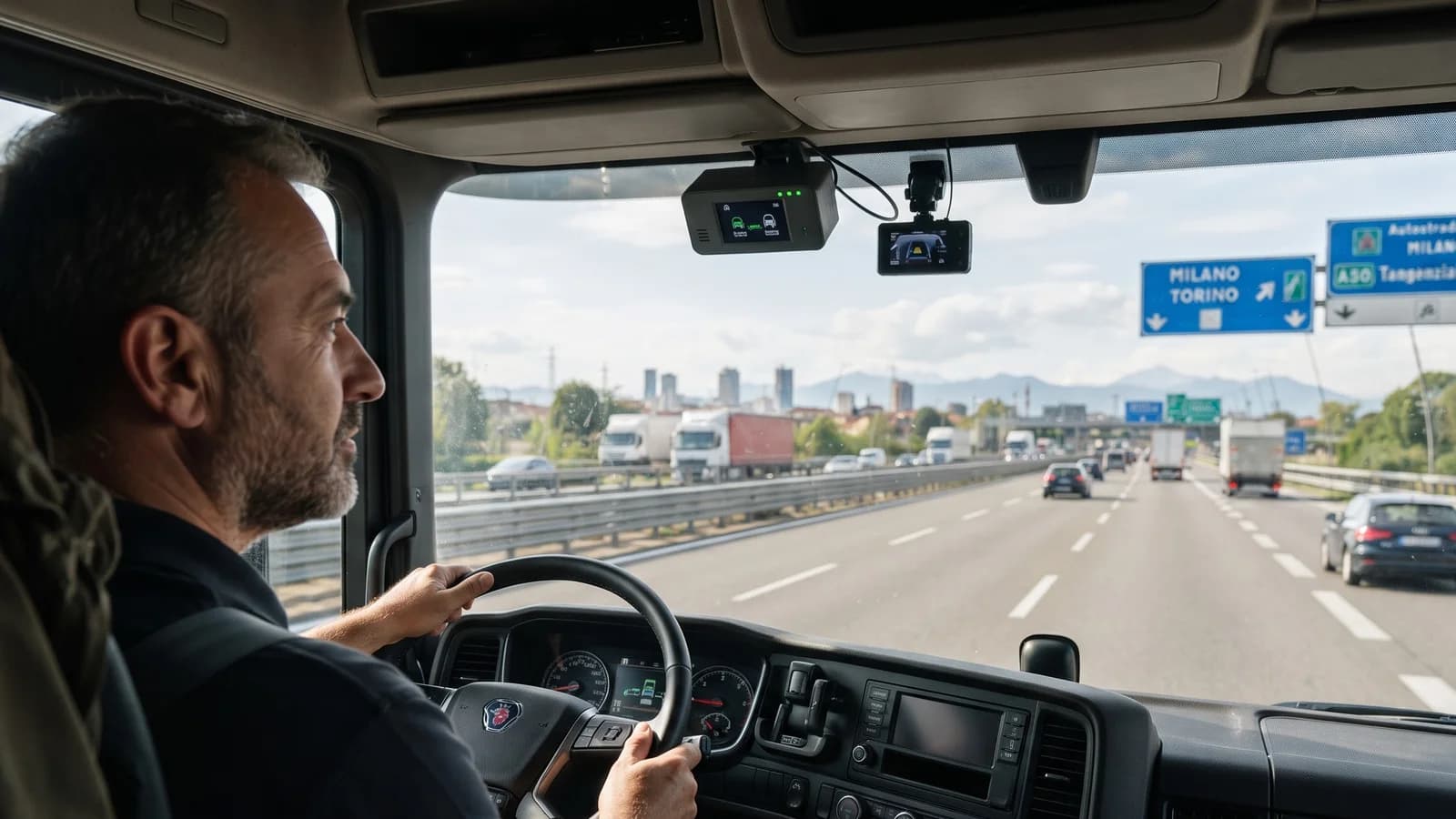
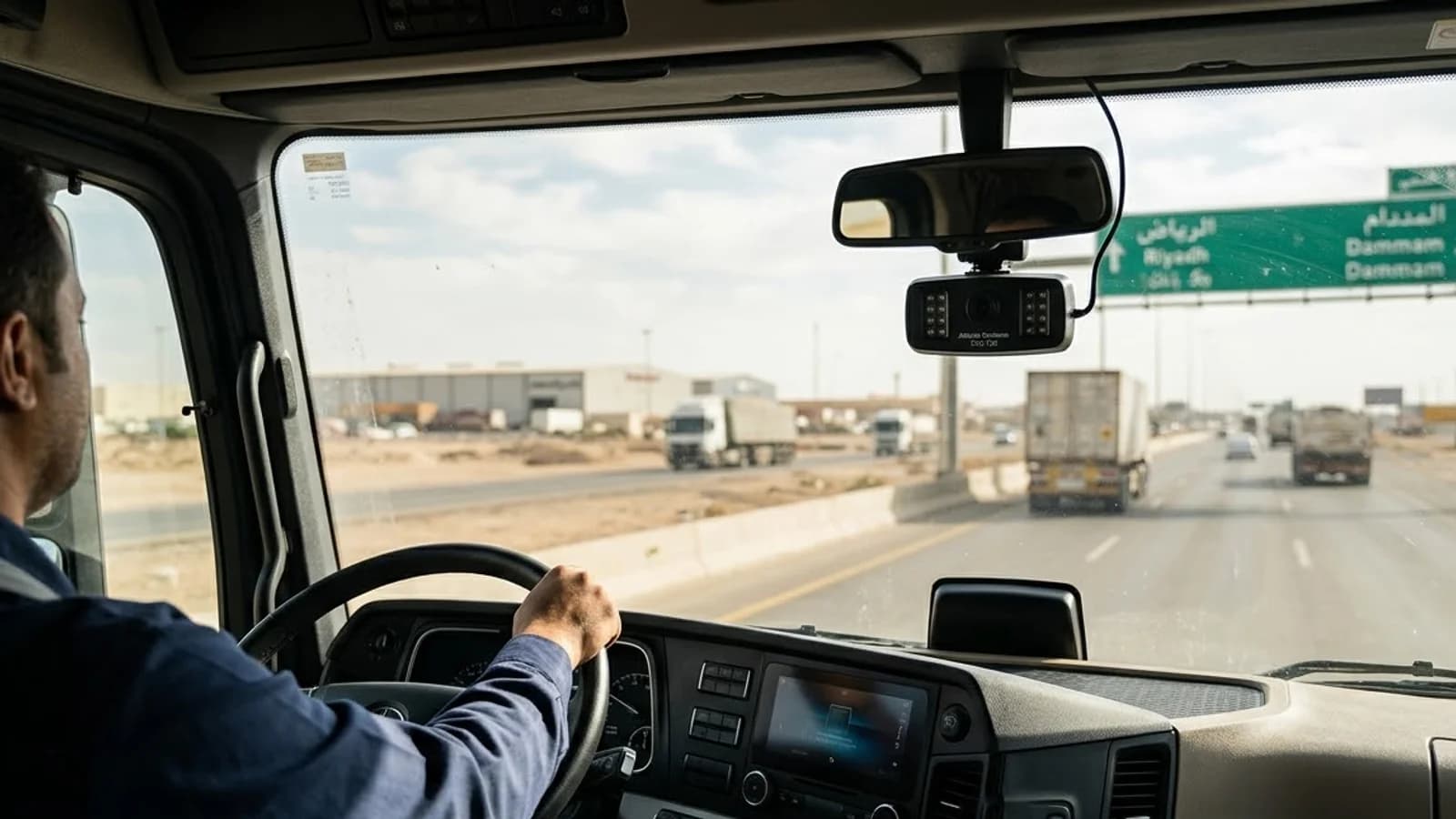
A forward-facing camera mounted on the windshield runs AI models on the device. It identifies vehicles, lanes and pedestrians, estimates distance and time to collision, and sounds a warning in the cab. Each event is saved with video, GPS position and speed so the fleet office can review it.
Atlanta’s AVD-100 is a road-video monitoring unit with ADAS support (1080p for ADAS), 4G, Wi-Fi, GPS, dual SD card storage and 4 alarm inputs. The AVD-201 combines ADAS with driver monitoring (DMS) in one 3-channel camera.
Note for Fleet Managers: the old posts describe a “VTC-500 BSD radar system”. The VTC-500 is an EV tracker on the website. If Atlanta has a dedicated blind spot camera or radar kit, add its product page and link it here. Otherwise, describe BSD only as a side-camera option on the MDVR.
Reducing false alarms
The biggest complaint about ADAS is false alarms, and drivers quickly start ignoring a system that cries wolf. To keep alerts trusted:
Calibrate properly after installation (camera height, angle and vehicle width).
Set speed thresholds, for example no lane warnings below 60 km/h in city traffic.
Review event clips weekly for the first month and fine-tune the sensitivity.
Install professionally. A shifted camera mount is the most common cause of bad alerts.
Performance in rain, night and glare
Camera-based ADAS performs best in good visibility. Check low-light performance and wide dynamic range (for headlights and sun glare) before buying, and keep the windshield area clean. Pilot the system on your own routes, including at night, before rolling it out.
Is retrofit ADAS worth it?
For most commercial fleets, yes. The cost of one serious rear-end collision (repairs, downtime, claims and reputation) can exceed the cost of fitting ADAS across a whole fleet. Combine ADAS with driver coaching for the best results.
Frequently Asked Questions (FAQs)
Can ADAS be installed on old vehicles? Yes. Retrofit ADAS needs only a windshield-mounted camera and a power connection. It doesn’t depend on the vehicle’s electronics.
Does ADAS brake the vehicle automatically? No. Retrofit ADAS gives warnings only. Automatic emergency braking requires factory-integrated systems.
What’s the difference between ADAS and DMS? ADAS watches the road; DMS watches the driver. The AVD-201 does both.
How is blind spot detection done on trucks? It uses side cameras or radar sensors that alert the driver to cyclists and pedestrians beside the vehicle, which is especially important when turning.
Next step: see ADAS solutions or book a pilot on your vehicles.
Related reading: AI dash cams for fleets · Driver fatigue monitoring
Official engineering publication group at Atlanta Systems Pvt. Ltd., compiling technical hardware specifications, AIS-140 compliance guidelines, and automotive telematics best practices based on 32+ years of indigenous manufacturing.