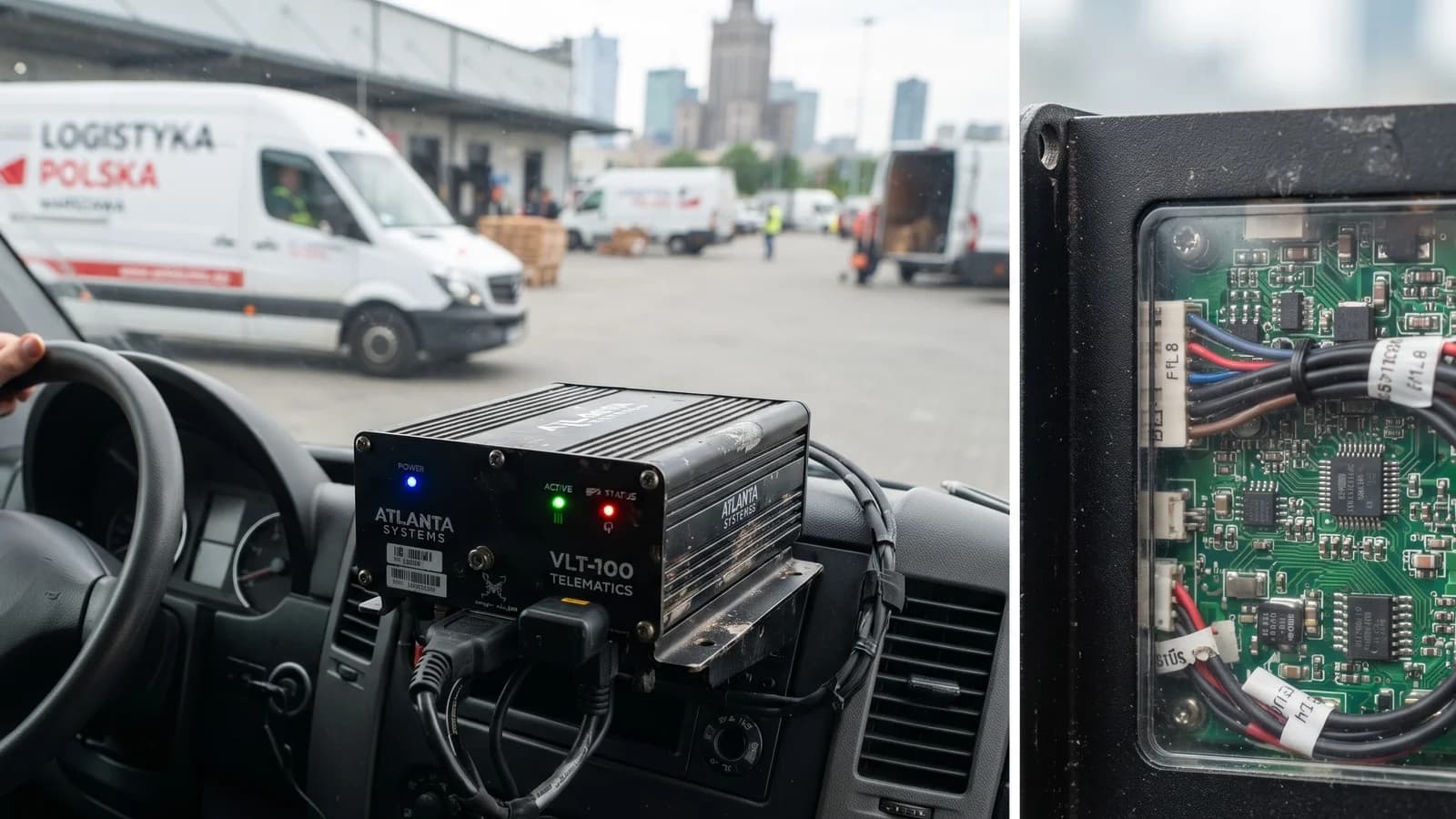
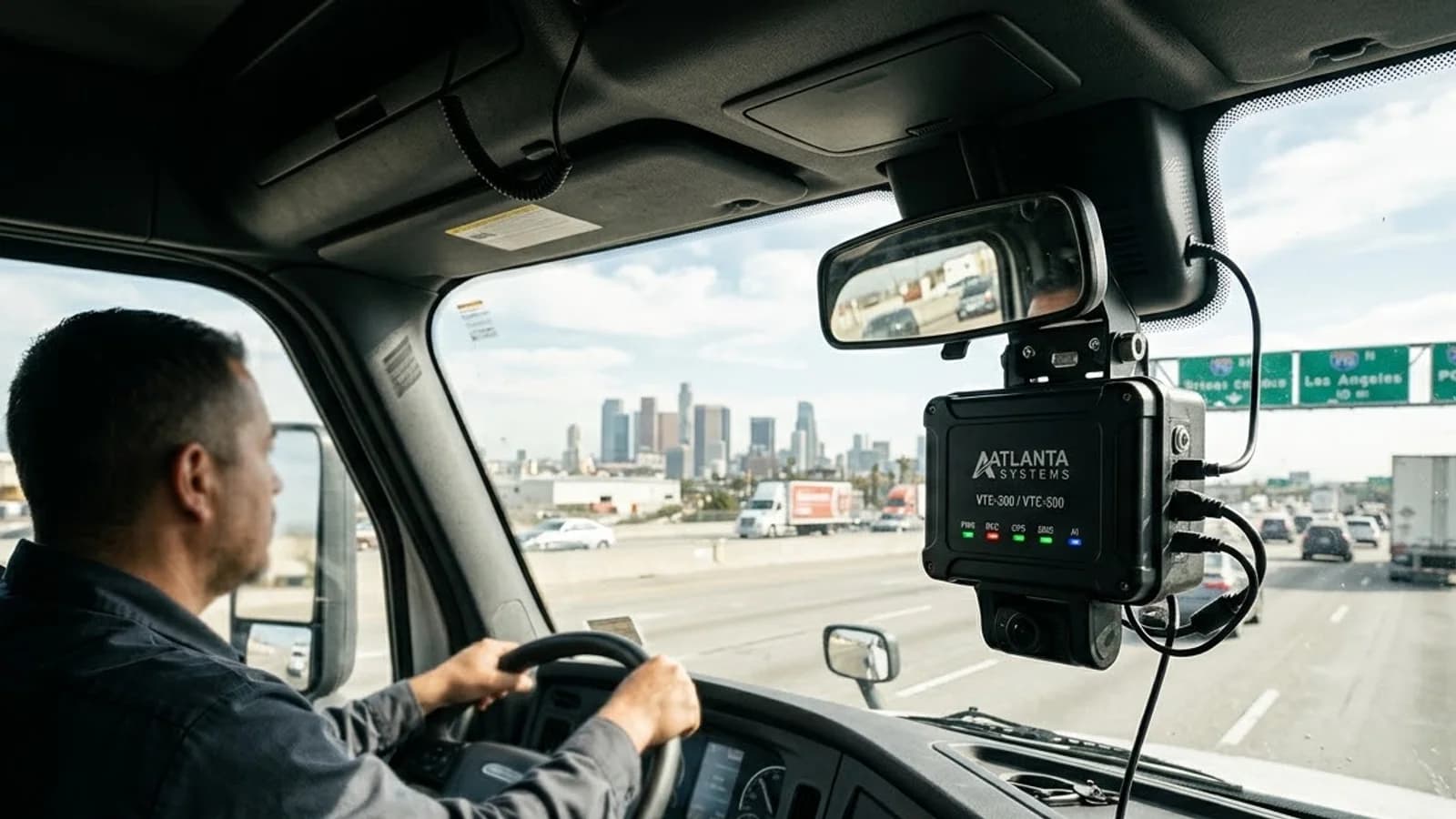
AIS-140 GPS Tracker: The Complete Guide for Indian Fleet Owners
Table of Contents
If you run buses, taxis, school vans or permit-holding goods vehicles in India, you will hear one term at every fitness check: AIS-140. This guide explains what the standard requires, which device to choose, and how to avoid the installation mistakes that cause most AIS-140 problems in the field.
What is AIS-140?
AIS-140 (Automotive Industry Standard 140) is the standard published by India’s Ministry of Road Transport and Highways (MoRTH) for Vehicle Location Tracking Devices (VLTDs) and emergency buttons in public transport. Its aim is passenger safety: if a passenger presses a panic button, the vehicle’s live location reaches a state command and control centre so help can be sent.
A compliant tracker must:
- Be type-approved by a testing agency such as ARAI or ICAT
Report location to the state backend (and VAHAN) at set intervals
Support emergency (SOS/panic) buttons wired inside the vehicle
Store data when the network drops and send it later
Support IRNSS (NavIC), India’s own satellite navigation system
Accept over-the-air configuration and firmware updates
Note for Fleet Managers: add a link to the current MoRTH notification and list the states where Atlanta Systems devices are empanelled. The About page says 25+ states and UTs.
Which vehicles need an AIS-140 tracker?
The rule applies to public service vehicles: buses, taxis, cabs, school buses and vans. Most states also enforce it for national-permit goods vehicles. Requirements and deadlines vary by state, so always confirm with your Regional Transport Office (RTO) before buying. A non-compliant or unregistered device can hold up permits and fitness certificates.
2G or 4G: which AIS-140 device should you buy?
Atlanta Systems makes AIS-140 certified trackers for both networks.
| ATL-140 | ATL-440 | |
|---|---|---|
| Network | 2G GSM | 4G LTE with 2G fallback |
| Satellite systems | GPS, IRNSS, GLONASS, Galileo, BDS, QZSS | GPS, IRNSS, GLONASS, Galileo, BDS, QZSS |
| Position accuracy | <1 m CEP (open sky) | <1 m CEP (open sky) |
| Input voltage | 8–36 V DC | 9–90 V DC, overvoltage and reverse-polarity protection |
| Inputs/outputs | 4 DI, 3 DO, 2 AI, RS232, CAN | 4 DI, 4 DO, 2 AI, RS232, RS485, CAN, 1-Wire |
| Data buffer | 80,000 log packets | 41,000 log packets |
| Bluetooth | BLE 5.0 (sensors, beacons) | BLE 5.0 (all BLE sensors) |
| Casing | Rugged (IP65/IP67) [EDITOR: confirm] | IP67 |
| SIM | eSIM | eSIM |
Choose the ATL-140 if your vehicles run where 2G coverage is reliable and you need a proven, cost-effective compliant device.
Choose the ATL-440 if you want to future-proof against 2G network shutdowns, run 24 V or higher-voltage vehicles such as buses and trucks, or plan to add fuel sensors, RS485 accessories or video later.
For school transport, Atlanta’s WP-30L AIS-140 device is the tracker used in the School Buddy solution.
What else does an AIS-140 tracker do for your business?
Compliance is the minimum. The same device gives you operational data:
- Live tracking and trip history for every vehicle
Driver behaviour alerts: overspeed, harsh braking, harsh acceleration and sharp turns, from the built-in 3D accelerometer and gyroscope
Tamper and unplug alerts if someone disconnects power
Fuel monitoring: connect a fuel level sensor over analog, BLE or RS232 (see our fuel sensor guide)
Engine data through the CAN port
Installation: the five mistakes to avoid
Most AIS-140 field problems come from installation, not the device.
Wrong power connection. Wire to constant power and ignition correctly so the device knows when the engine is on.
Panic buttons not tested. Test every SOS button after installation and record the test.
Poor mounting. Mount the unit securely, away from heat sources, with a clear view of the sky for GNSS.
Not registering the device. The device must be mapped to the vehicle on the state portal and VAHAN before the fitness check.
No remote management. For fleets of more than a few vehicles, use FOTA (firmware over the air) so you can update and configure devices without visiting each vehicle.
Why buy from an Indian manufacturer?
Atlanta Systems has designed and manufactured telematics hardware in India since 1994, in two SMT manufacturing facilities with automated optical inspection. Buying directly from the manufacturer means consistent batches, local repair and warranty support, and firmware that is kept up to date as state requirements change.
Frequently Asked Questions (FAQs)
Is AIS-140 mandatory for goods vehicles? It is mandatory for national-permit goods vehicles in most states. Rules differ by state, so check with your RTO.
Can I use any GPS tracker for AIS-140? No. Only type-approved devices that are registered with the state backend are accepted. A regular GPS tracker will not pass the fitness check.
What happens if the vehicle is outside network coverage? The tracker stores data on board (up to 80,000 packets on the ATL-140) and sends it when the connection returns, so the trip record stays complete.
Will 2G AIS-140 devices stop working? 2G is still active in India, but operators are investing mainly in 4G and 5G. A 4G device with 2G fallback, such as the ATL-440, protects your investment.
How many panic buttons does a bus need? This depends on the vehicle category and state guidelines. Buses usually need several buttons across the passenger area. Confirm the number with your RTO.
Next step: compare both devices on the ATL-140 and ATL-440 pages, or request a datasheet and quote.
Related reading: 4G GPS vehicle tracker buying guide · School bus tracking and safety
Founder of Atlanta Systems Pvt. Ltd. with 32+ years of embedded hardware and SMT engineering leadership, pioneering indigenous AIS-140 GPS trackers and automotive telematics across 27+ countries.