ELD, HOS and IFTA Compliance: A Hardware Guide for US Trucking Fleets
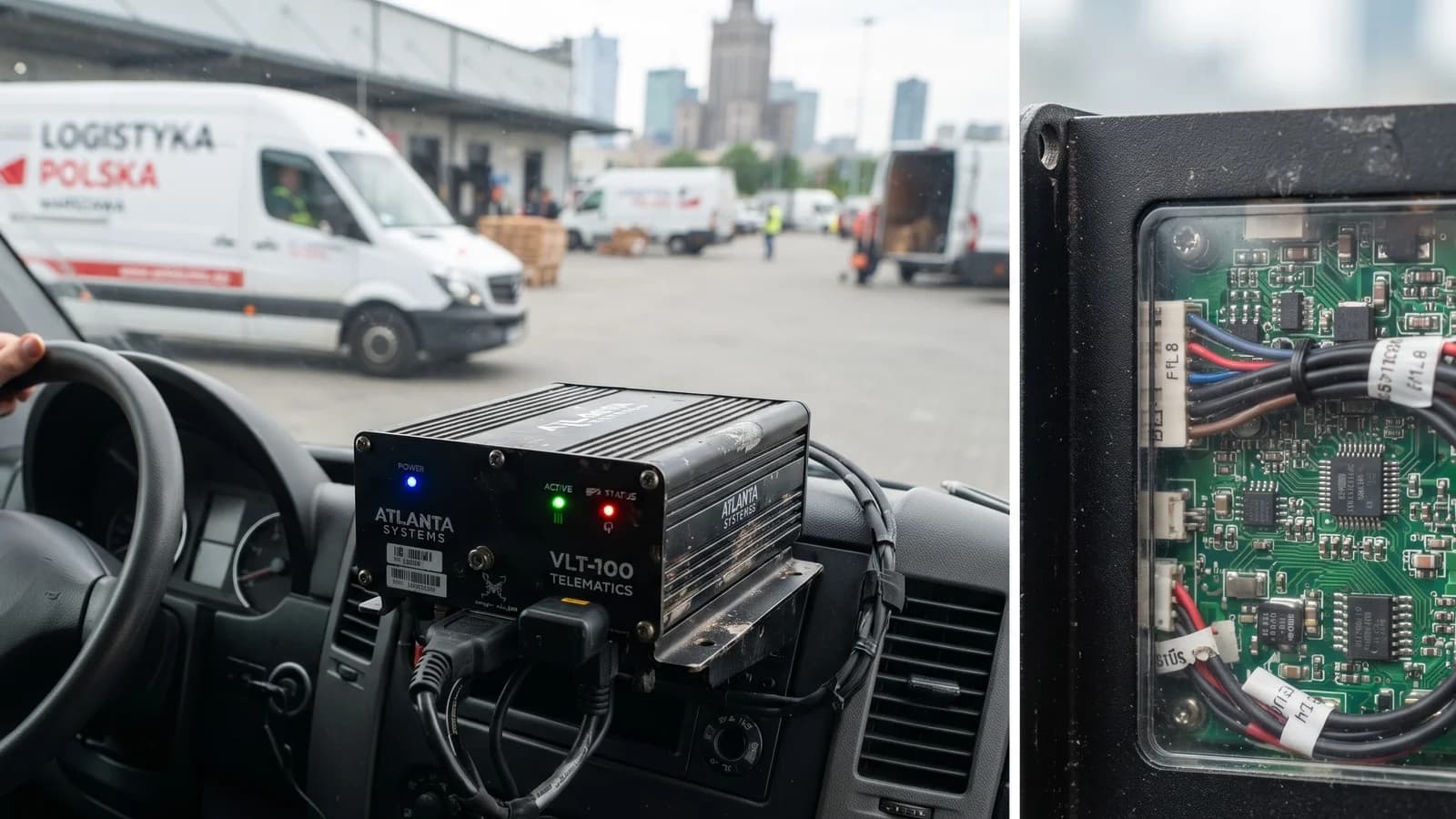
Table of Contents
In the United States, most commercial truck drivers who must keep records of duty status must do so with an electronic logging device (ELD). Fleets that cross state lines also file quarterly IFTA fuel tax returns. The same telematics hardware can support both.
What is the ELD mandate?
The Federal Motor Carrier Safety Administration (FMCSA) requires most drivers who keep records of duty status (RODS) to use a registered ELD instead of paper logs. The ELD connects to the vehicle’s engine to automatically record:
- Engine on/off and vehicle movement
Miles driven and engine hours
Location at set intervals
Driver identity and duty status changes
These records are used to check hours of service (HOS) limits, which control how long drivers may drive and work before resting. [EDITOR: link to FMCSA’s ELD page and the registered device list. Confirm Atlanta’s ELD registration status with FMCSA before publishing any compliance claims.]
What makes good ELD hardware
Engine connection: reads J1939 (heavy trucks) and OBD-II (lighter vehicles)
Reliable driver app connection: Bluetooth to the driver’s tablet or phone
Accurate GNSS: for location and miles by state
Data buffering: stores records when there’s no signal
Remote updates: firmware updates without visiting the truck
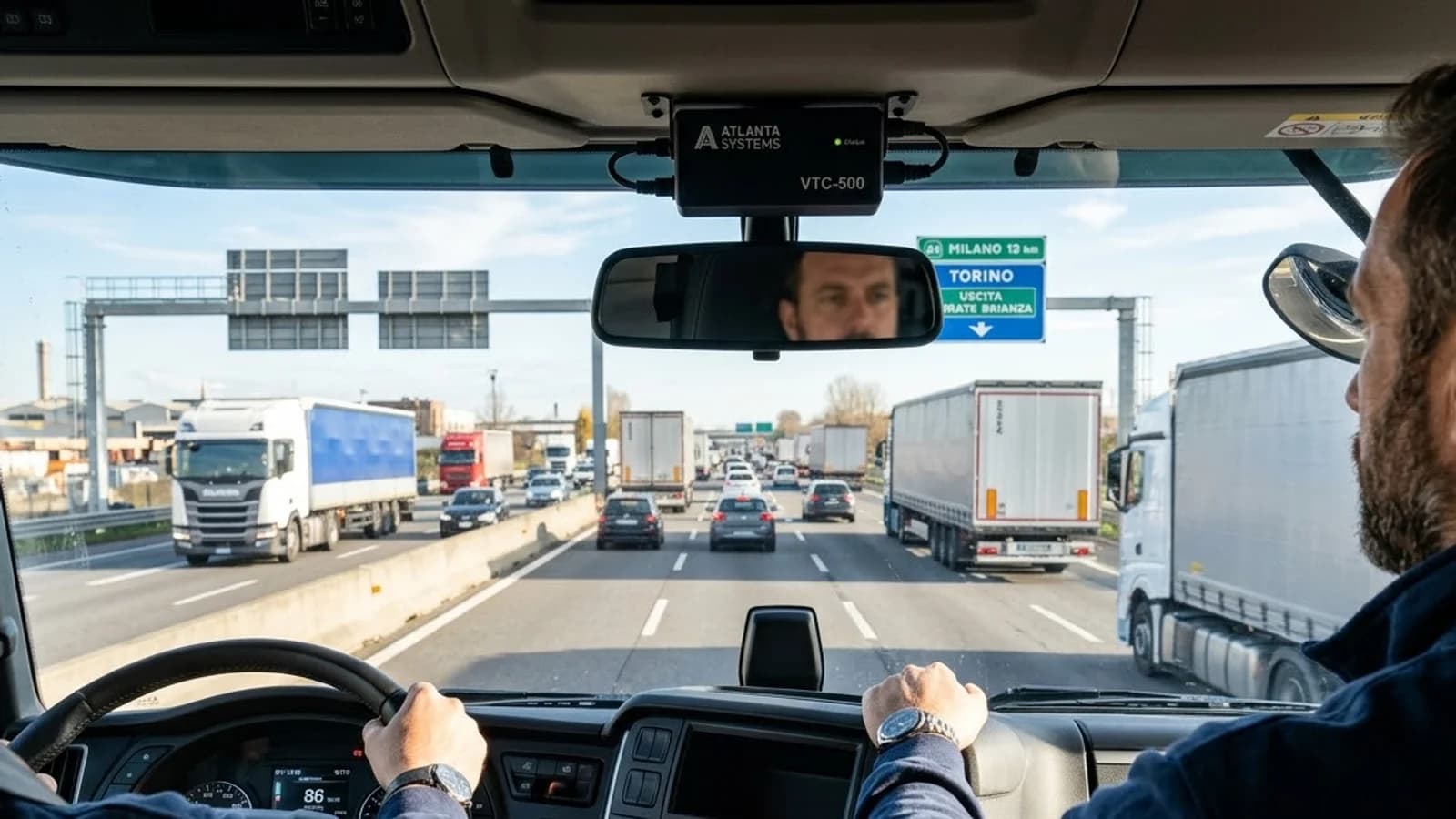
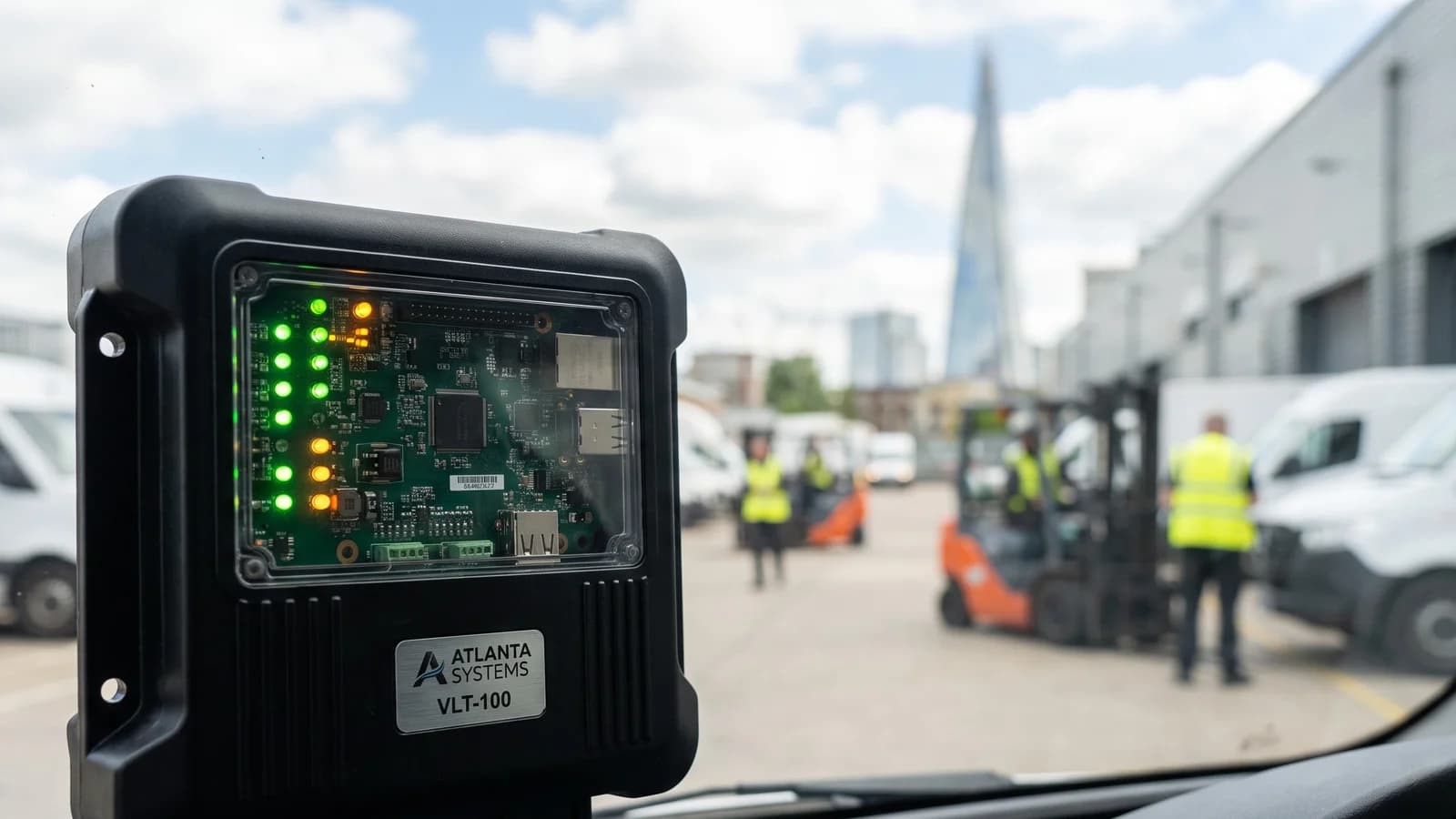
Atlanta’s ELD device supports SAE J1939, legislated OBD-II protocols and raw CAN, connects to the driver app over Bluetooth, and maintains RODS and HOS records. The GWC-100 gateway also supports ELD features alongside CAN FD, BLE, Wi-Fi and secure communication.
IFTA: turning GPS miles into tax reports
The International Fuel Tax Agreement (IFTA) requires carriers to report miles driven and fuel bought in each US state and Canadian province. Doing it manually from trip sheets is slow and error-prone. Telematics automates it:
GPS records the route and miles driven in each jurisdiction.
Fuel purchases are imported from fuel cards or receipts.
The platform calculates miles per jurisdiction for the quarterly return.
Records are stored for audits.
Beyond compliance
The engine data an ELD collects also supports predictive maintenance, idle reduction and driver coaching, so the compliance hardware becomes a cost-saving tool.
Frequently Asked Questions (FAQs)
Does an ELD need a separate GPS tracker? No. An ELD records location itself. Many fleets use the same device for both ELD and tracking.
Which vehicles are exempt from the ELD rule? FMCSA lists exemptions, such as short-haul drivers within set limits and some older vehicles. Check the current FMCSA rules for your operation.
Can the ELD read data from older trucks? Most heavy trucks with a J1939 connector are supported. Older engines may need an adapter. Ask us with your make and model year.
Does telematics file my IFTA return? It produces the mileage-by-jurisdiction data you need. Filing is done through your state’s IFTA system.
Next step: see the ELD device or contact us for integration with your ELD software.
Related reading: OBD-II vs J1939 · Regional compliance guide
Co-Founder at Atlanta Systems Pvt. Ltd., spearheading large-scale global telematics supply chains, commercial fleet compliance deployments, and OEM electronics manufacturing partnerships.