Fleet Telematics Compliance by Country: India, Gulf, US, Mexico and Europe

Many countries now require commercial vehicles to send tracking data to a government platform or keep electronic driver records. For fleets and distributors working across borders, the rules differ widely. This overview explains the main regimes and what the hardware must do for each. Important: regulations change often. Use this as a starting point and confirm current requirements with the relevant authority before buying or deploying. At a glance
| Region | Rule | What it requires | Atlanta support |
|---|---|---|---|
| India | AIS-140 (MoRTH) | Certified VLTD, panic buttons, data to state backend and VAHAN | ATL-140, ATL-440, WP-30L |
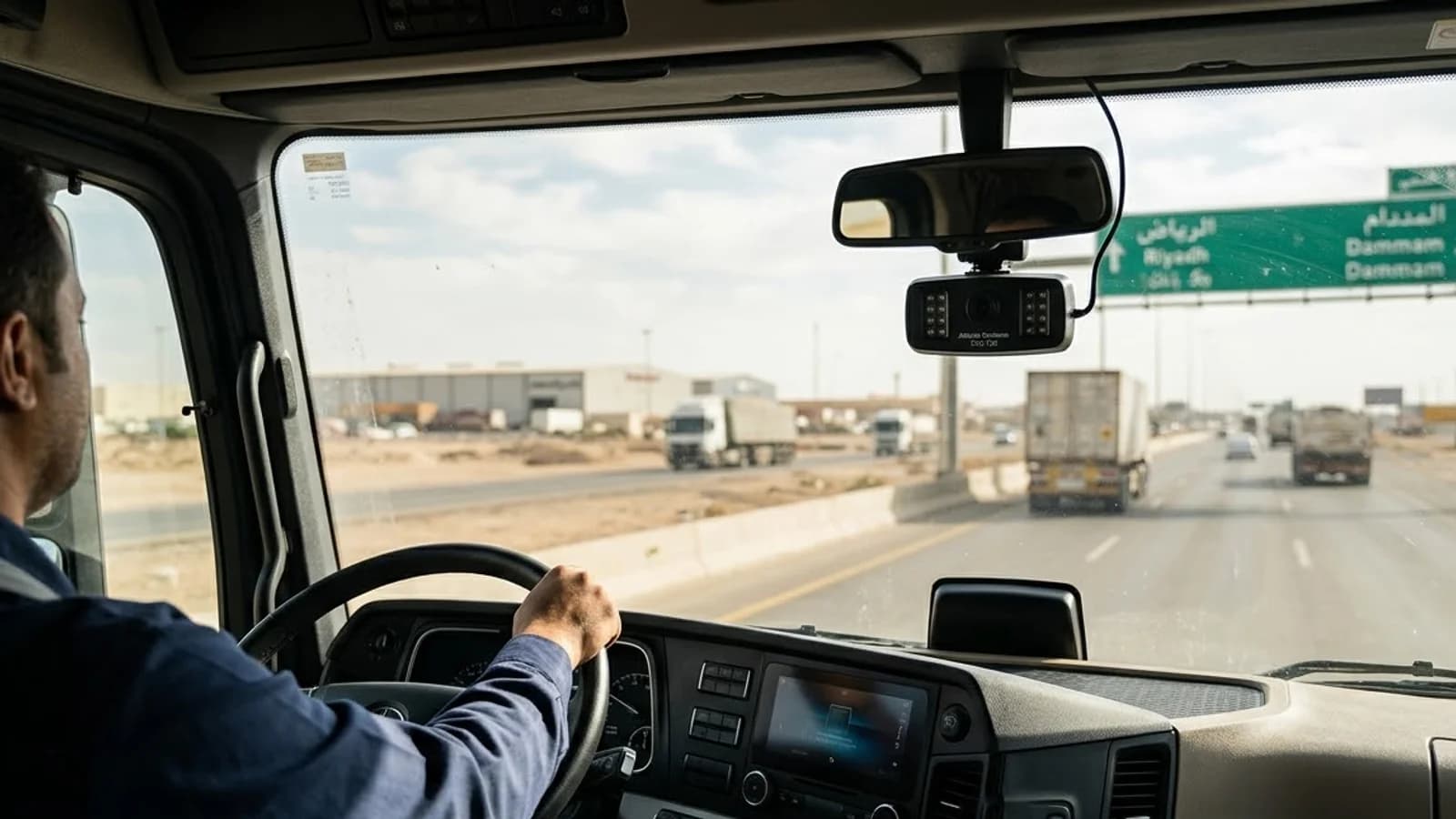
| Saudi Arabia | WASL (Transport General Authority) | Real-time data from commercial vehicles to the authority’s platform | Data push integration [EDITOR: confirm] |
| UAE | RTA requirements | Tracking and data push for regulated transport | Data push integration [EDITOR: confirm] |
| USA | FMCSA ELD mandate | Electronic hours-of-service records from the engine | ELD device, GWC-100 |
| Mexico | NOM standards for federal transport | Safety and weight/dimension rules for federal routes [EDITOR: confirm which NOM and the device requirement] | Trackers with CAN/axle load sensors |
| EU/UK | Tachograph regulation | Driver hours recorded by a tachograph; periodic data downloads | [EDITOR: only include if Atlanta offers a tachograph interface product] |
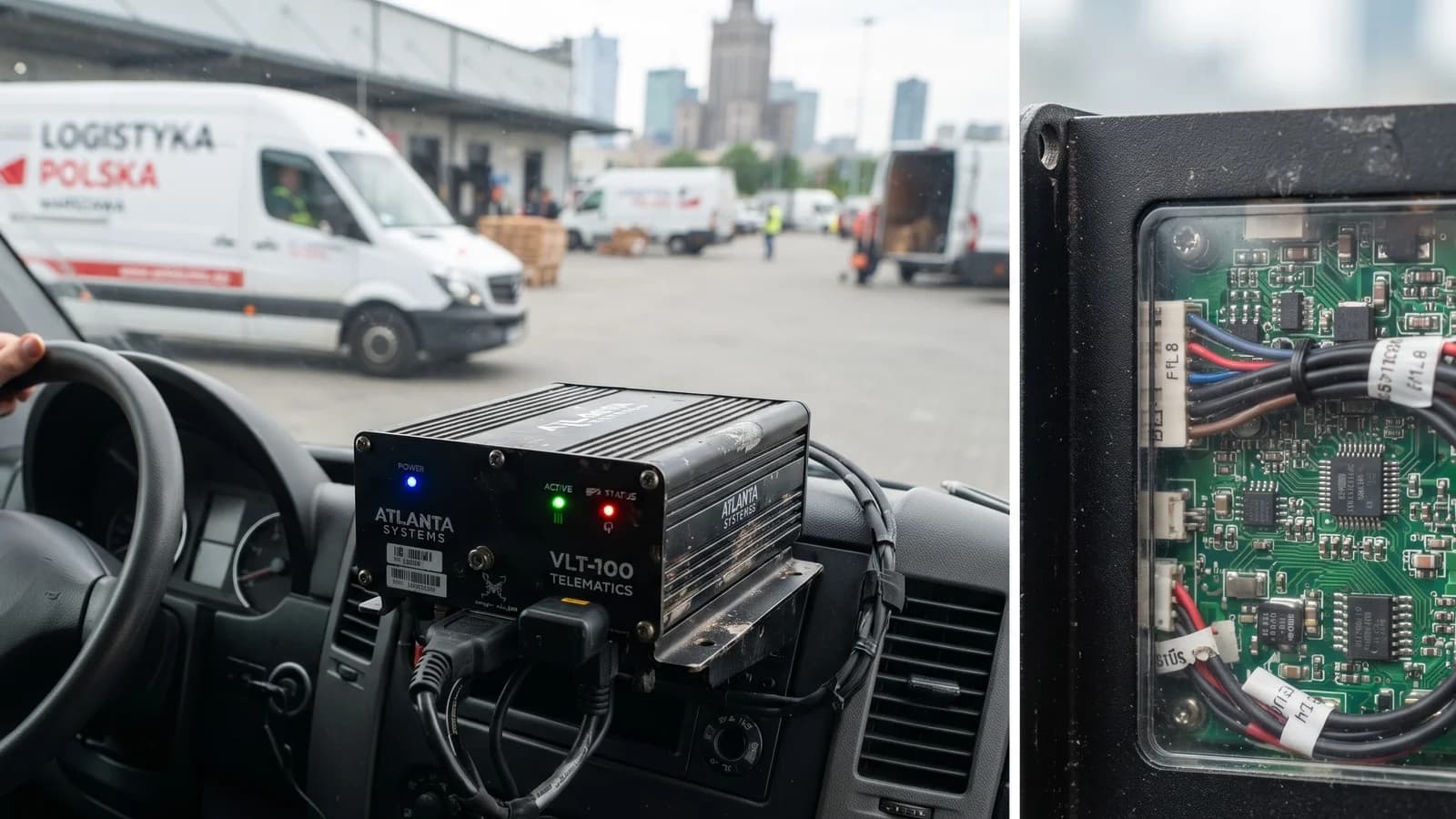
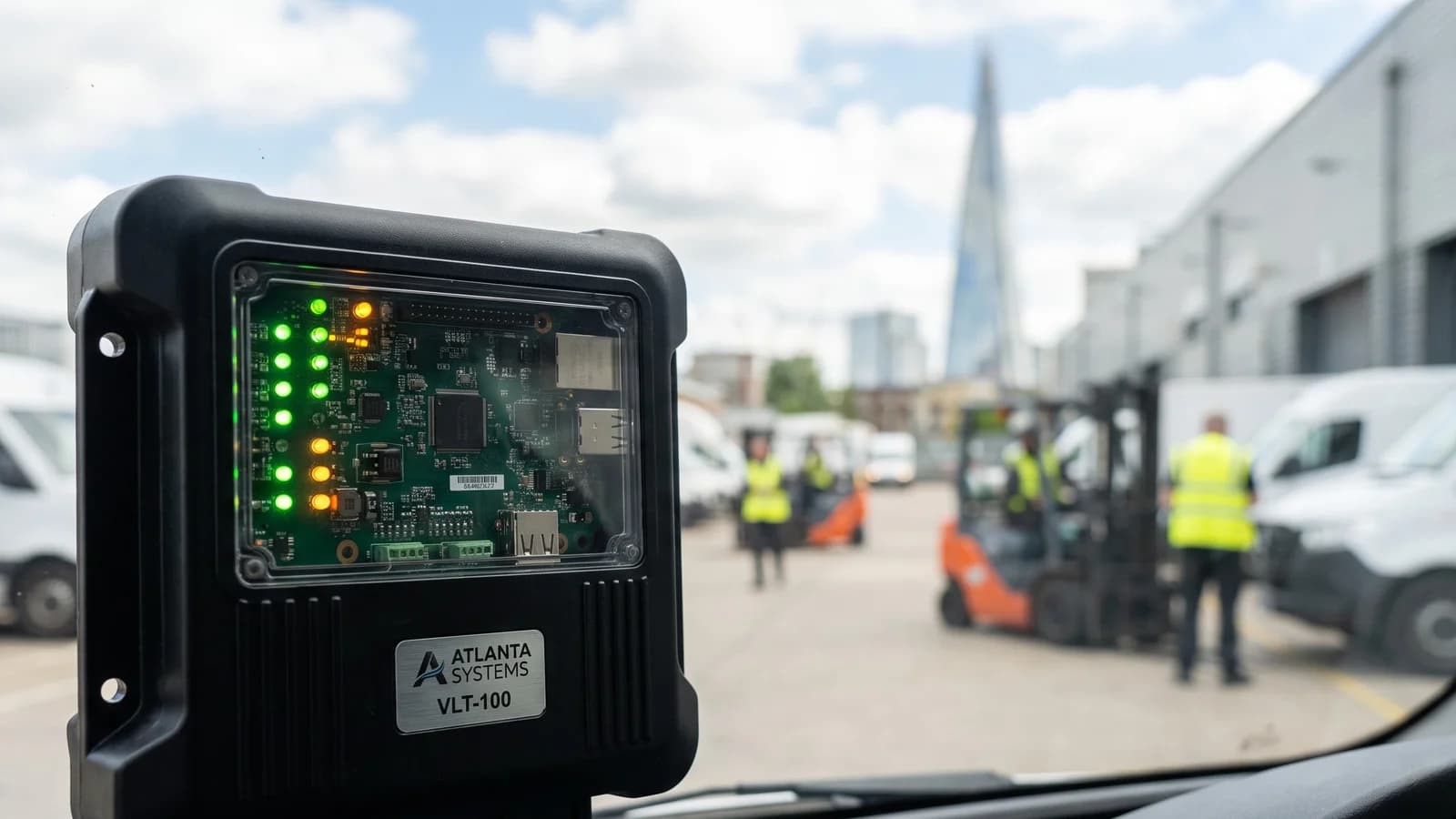
Atlanta Systems’ services page lists homologation and data-push support for MoRTH VAHAN (India), UAE RTA and WASL (GCC), and FMCSA ELD (USA). What the hardware must handle Whatever the country, compliance devices share the same core needs:
- Certification or type approval where the law requires it
A reliable data link to the government server, using the authority’s protocol and reporting interval Local data storage so records survive network gaps Tamper detection for power cuts and device removal Remote configuration to switch servers or protocols as rules change, without replacing devices Running one fleet across several countries Choose hardware with the right LTE bands for every country you operate in. Use eSIM or roaming SIMs to avoid swapping SIM cards at borders. Keep one platform and push data to each authority through integrations. Work with a manufacturer that controls its own firmware and can add new protocols when a regulation changes.
Frequently Asked Questions (FAQs)
Can one device meet the rules of several countries? Sometimes, if it supports the required protocols and certifications. Often you’ll need country-specific firmware or settings, so check before you order.
What is WASL? WASL is Saudi Arabia’s platform for receiving tracking data from commercial and public transport vehicles, run under the Transport General Authority.
Do I need certification for each country? Where type approval is required (for example AIS-140 in India), yes. Other regimes only require the data to be sent correctly.
How do rule changes affect existing devices? Devices with FOTA can usually be updated remotely when protocols change.
Next step: see our regional offices and compliance hubs or ask about certification support.
Related reading: AIS-140 guide · ELD, HOS and IFTA
Official engineering publication group at Atlanta Systems Pvt. Ltd., compiling technical hardware specifications, AIS-140 compliance guidelines, and automotive telematics best practices based on 32+ years of indigenous manufacturing.