Cold Chain Temperature Monitoring: Sensors, BLE Beacons and Gateways
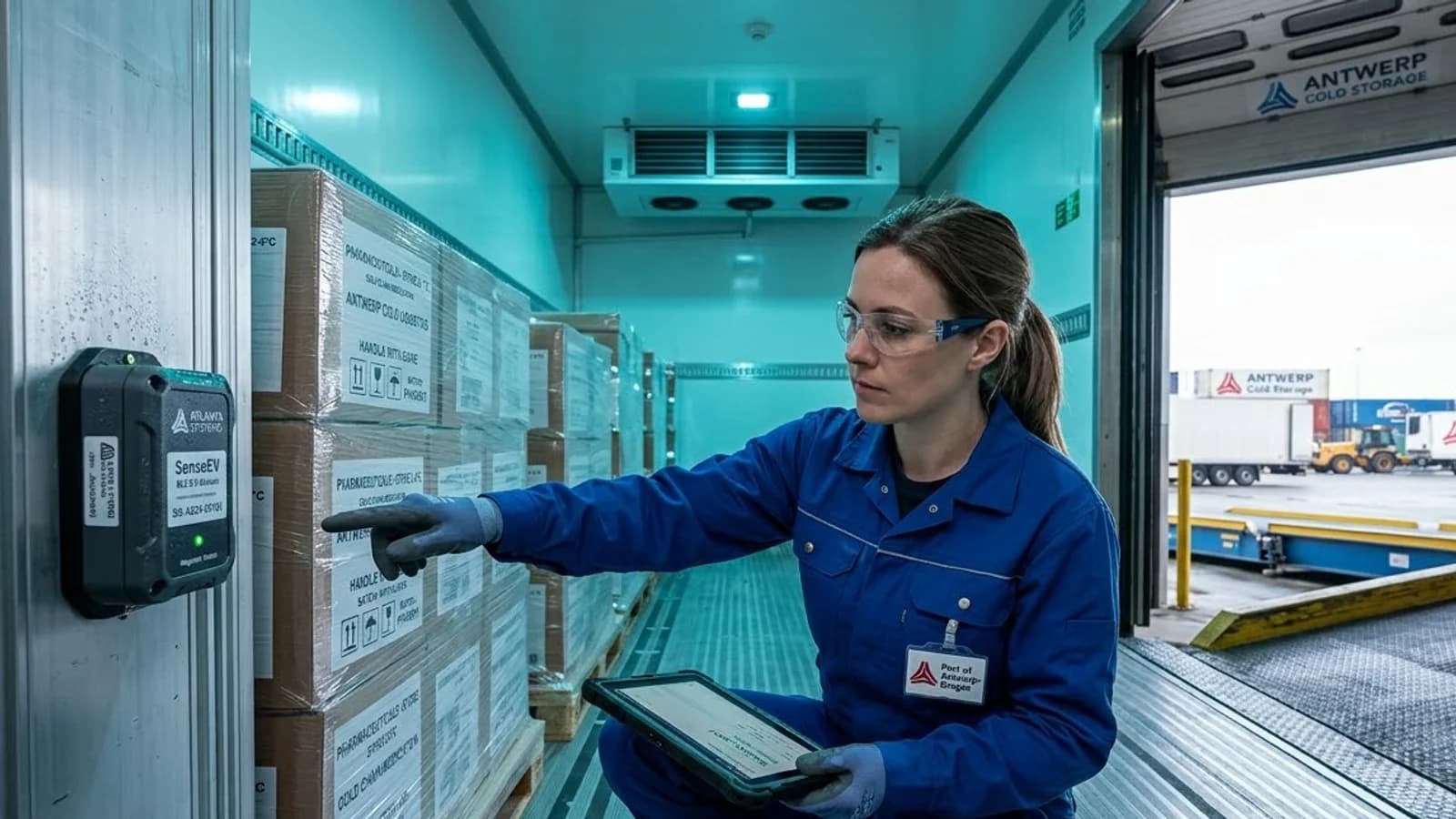
Vaccines, medicines, fresh food and frozen goods lose value, or become unsafe, when they leave their safe temperature range. A cold chain monitoring system records temperature and humidity throughout the journey, alerts you the moment conditions go wrong, and gives you the records customers and auditors ask for. What a cold chain monitoring system includes Sensors that measure temperature (and humidity) inside the cargo area A tracker or gateway that collects sensor readings and sends them to the cloud with GPS location A platform that shows live readings, sends alerts and creates trip reports Choosing sensors
| Need | Atlanta product | Key points |
|---|---|---|
| Wired temperature probe | TSI-10 | Precise temperature sensing |
| Temperature and humidity | TSI-100 / TSI-200 | Dual sensor, accuracy ±2 °C / ±5% RH at 25 °C, long-term stability |
| Wireless temperature, humidity and motion | IBK-10 BLE beacon | BLE 5.0, IP67, –40 to 85 °C sensing range, stores 20,000 readings, replaceable coin battery |
| Industrial or indoor beacon | IBK-20 / AIK-10 | BLE beacons for indoor tracking and mesh networks |
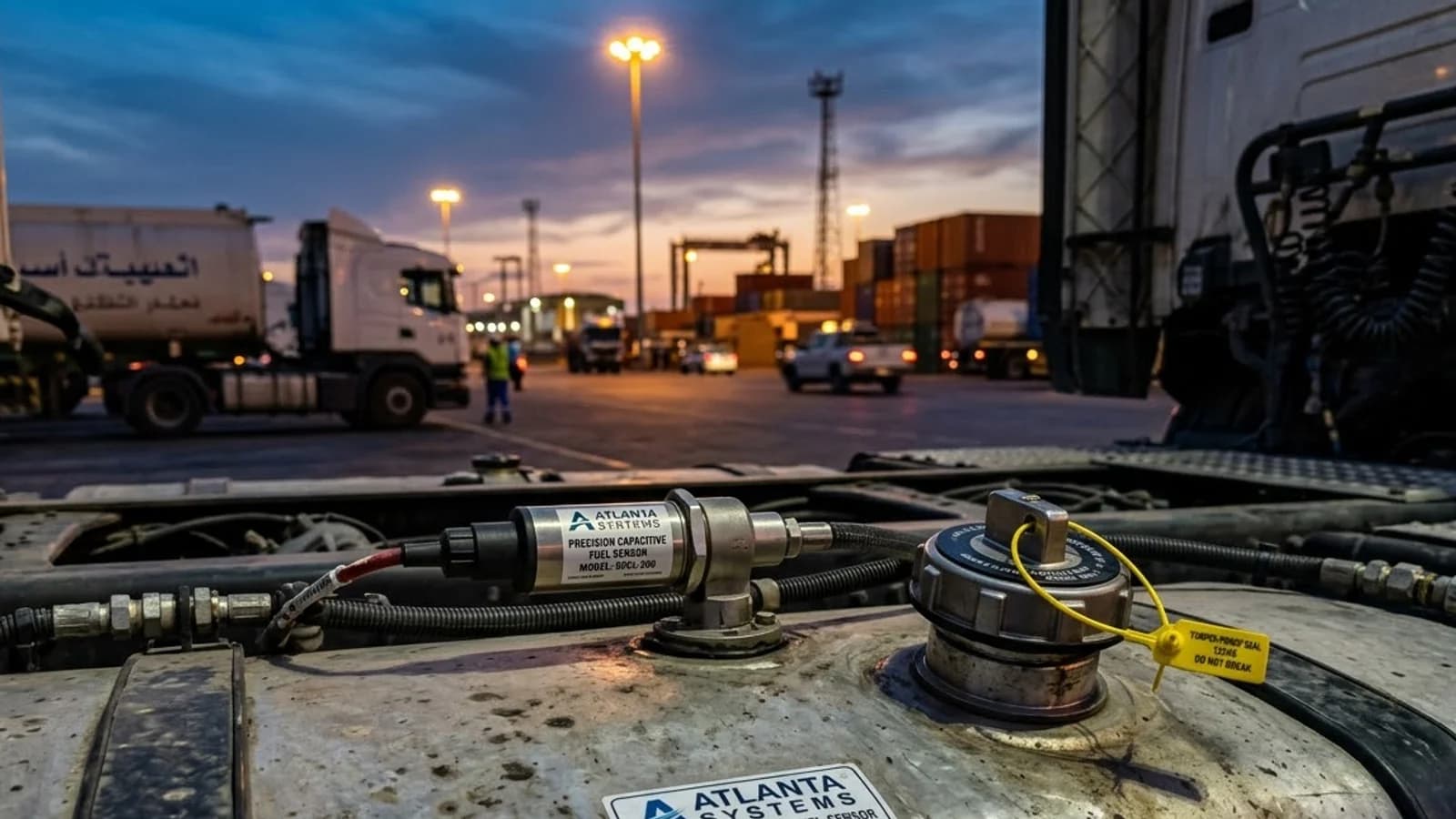
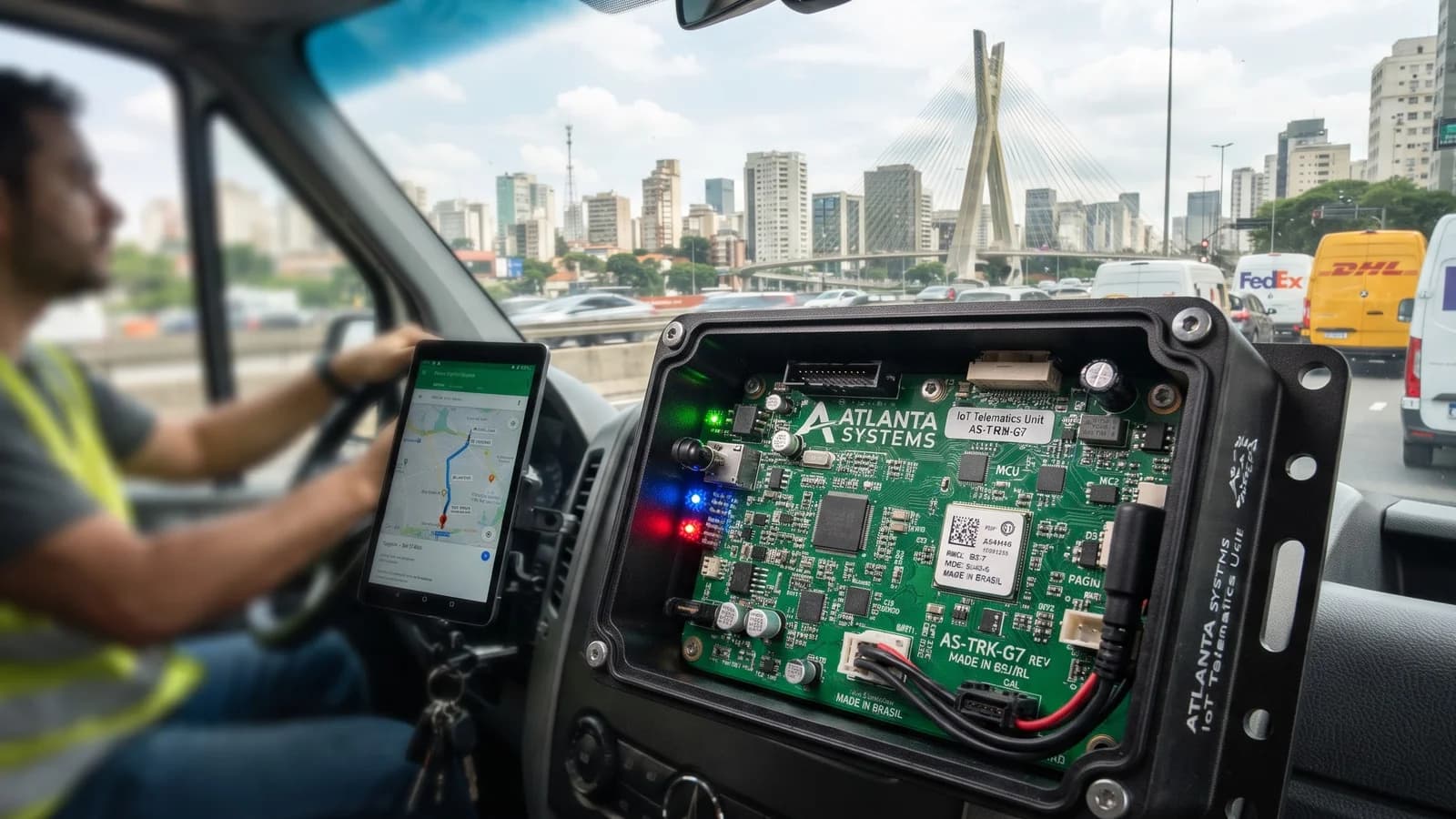
Wired or wireless? Wired probes suit permanent reefer units. Wireless BLE beacons are faster to install, can be moved between zones, and keep recording on their own (the IBK-10 stores 20,000 readings), so data isn’t lost if the gateway is temporarily out of range. Multi-zone and temperature mapping Large reefers and warehouses aren’t the same temperature everywhere: near the door, at the top and at the back can differ by several degrees. Temperature mapping places several sensors across the space to find hot and cold spots. This is especially important for pharmaceutical logistics, where Good Distribution Practice (GDP) guidance expects temperature-controlled storage and transport to be mapped and monitored. [EDITOR: add a link to the relevant GDP guidance for your target market.] Gateways: bringing the data together The GWC-100 IoT gateway collects readings from multiple BLE sensors and sends them over 4G LTE (with 2G fallback), Wi-Fi or Ethernet. It also has GNSS, CAN FD, a built-in hardware security module for encrypted communication, a 9–90 V input and a 2,000 mAh backup battery. In vehicles, trackers with BLE (TC-400, ATL-440) can also read beacons directly. Reefer fuel and temperature together Refrigeration units often run on their own fuel tank. Pairing a fuel level sensor on the reefer tank with temperature sensors shows if the unit was switched off to save fuel, and gives early warning before the reefer runs dry. Setting good alerts Set upper and lower limits for each product type, for example 2–8 °C for many vaccines. Add a short delay so that opening the door for a delivery doesn’t trigger an alarm. Send critical alerts to both the driver and the control room. Keep records for every trip for audits and customer disputes.
Frequently Asked Questions (FAQs)
How often are temperature readings recorded? The interval is configurable, typically every 1–5 minutes for cold chain.
What happens if the vehicle loses mobile signal? Beacons and trackers store readings and send them when the connection returns, so the temperature log stays complete.
Can one gateway read several sensors? Yes. A BLE gateway or tracker can read multiple sensors to monitor several zones.
Is the system suitable for pharma? Yes. Sensors provide continuous records and alerts. Check that your platform’s reports meet your customer’s GDP and audit requirements.
Next step: see Atlanta’s IoT sensors or contact us to design a cold chain setup.
Related reading: Fuel level sensor guide · 4G GPS tracker buying guide
Founder of Atlanta Systems Pvt. Ltd. with 32+ years of embedded hardware and SMT engineering leadership, pioneering indigenous AIS-140 GPS trackers and automotive telematics across 27+ countries.