Predictive Maintenance With Telematics: Using Fault Codes to Cut Downtime
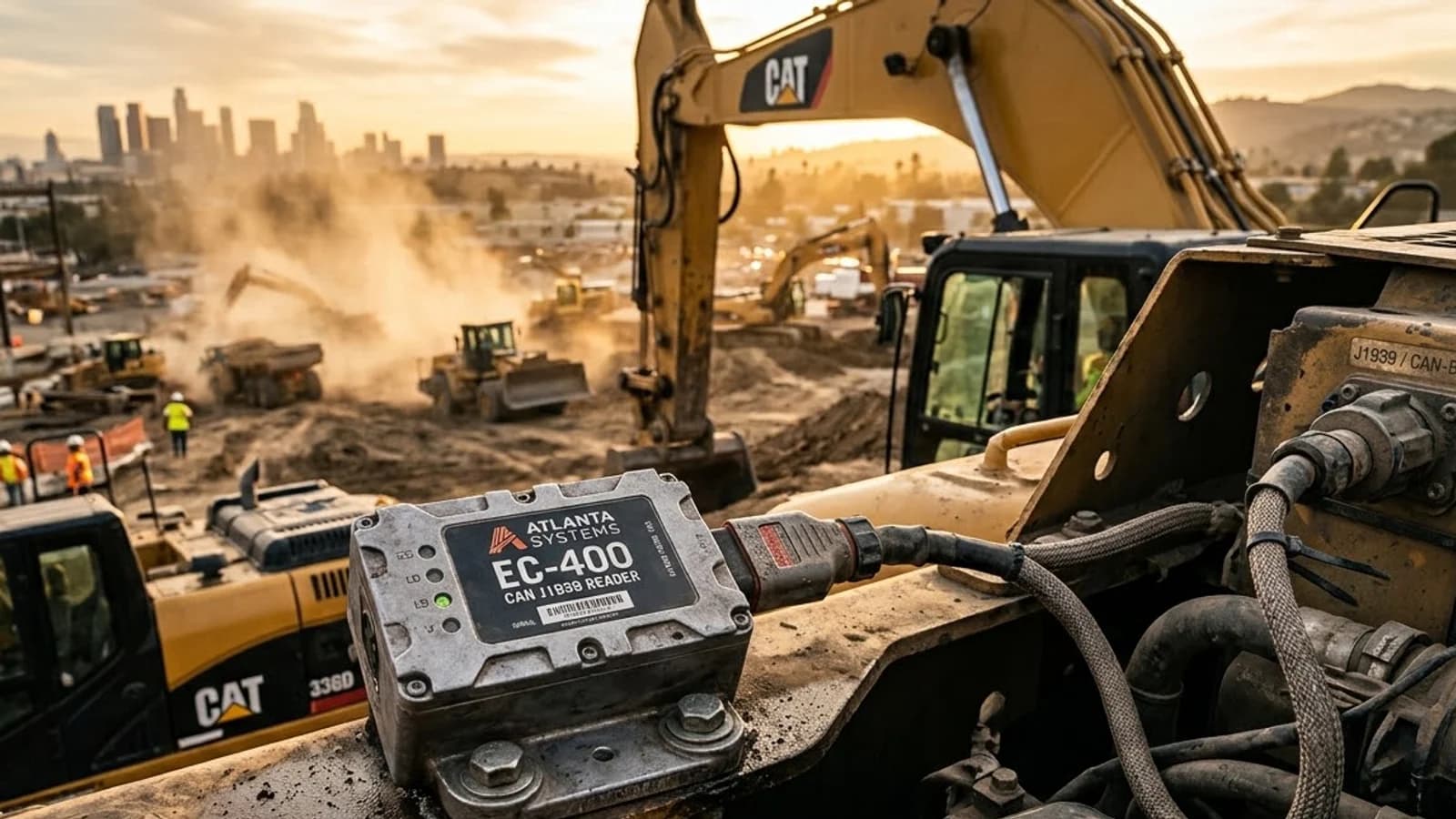
Table of Contents
An unplanned breakdown costs far more than the repair: the tow, the missed delivery, the idle driver and the unhappy customer. Most breakdowns give warning signs days or weeks earlier, in the form of fault codes stored in the engine computer. Telematics lets you read those codes remotely and act before the vehicle stops.
What are diagnostic trouble codes (DTCs)?
When a vehicle’s ECU detects a problem, such as a misfire, a sensor failure or high coolant temperature, it stores a diagnostic trouble code. Light vehicles use standard OBD-II codes, for example P0300 for a random misfire. Heavy vehicles report J1939 faults using SPN (what failed) and FMI (how it failed) numbers.
Without telematics, these codes are only seen when a mechanic connects a scanner, often after a warning light has been ignored for weeks.
From reactive to predictive: three levels
| Level | How it works | Result |
|---|---|---|
| Reactive | Fix it when it breaks | Highest cost and downtime |
| Preventive | Service by calendar or odometer | Fewer failures, but some parts are replaced too early |
| Predictive | Service based on live engine data and fault codes | Repairs planned before failure, parts used for their full life |
What data you need
Active and stored DTCs, with timestamp and location
Engine hours and odometer, for usage-based service intervals
Coolant temperature, battery voltage and RPM, to spot trends such as overheating or a failing alternator
Driver behaviour events (harsh braking and acceleration), which speed up wear on brakes and tyres
Hardware required
Light vehicles: the plug-and-play OBD-400 (4G LTE) reads OBD-II data and codes.
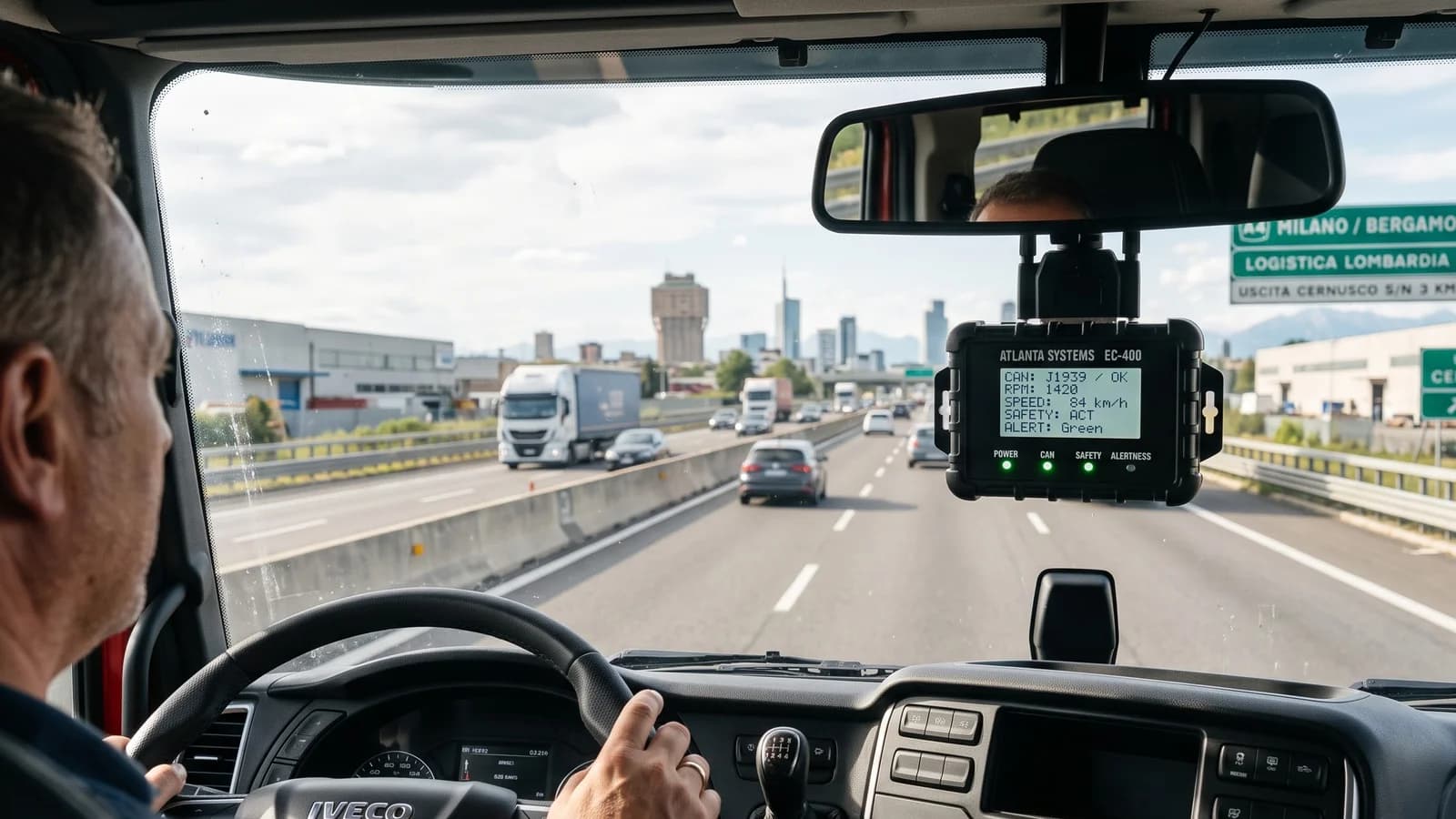
Heavy vehicles and mixed fleets: the ELD device reads J1939 and OBD-II.
Hardwired heavy vehicles: the ATL-440 with CAN port, or the GWC-100 gateway with CAN FD.
See OBD-II vs J1939 to choose the right one.
Turning codes into action: a simple workflow
Alert: a new fault code triggers a notification to the maintenance team.
Triage: classify it as critical (stop the vehicle), urgent (fix within 48 hours) or monitor.
Schedule: book the vehicle into the workshop around its route plan.
Close the loop: record the repair and check the code has cleared.
Review monthly: look for repeated codes by model, route or driver.
Note for Fleet Managers: add one real customer example, such as “a 120-truck fleet reduced roadside breakdowns by X% in 6 months”. Real numbers greatly improve this article’s credibility and ranking.
Frequently Asked Questions (FAQs)
Can telematics clear fault codes remotely? Telematics is used to read codes. Clearing them should be done after the repair, by a technician.
Do I need special software to read DTCs? Your fleet platform needs to decode and display them. Atlanta devices send the raw data to your platform or through APIs (see API integration).
How quickly is a new fault code reported? Codes are reported with the next data packet, usually within seconds to minutes of the ECU recording them.
Is predictive maintenance worth it for small fleets? Yes. Even one avoided breakdown on a busy route can pay for several devices.
Next step: talk to us about adding remote diagnostics to your fleet.
Related reading: Driver behaviour and eco-driving · Fleet telematics API integration
Official engineering publication group at Atlanta Systems Pvt. Ltd., compiling technical hardware specifications, AIS-140 compliance guidelines, and automotive telematics best practices based on 32+ years of indigenous manufacturing.