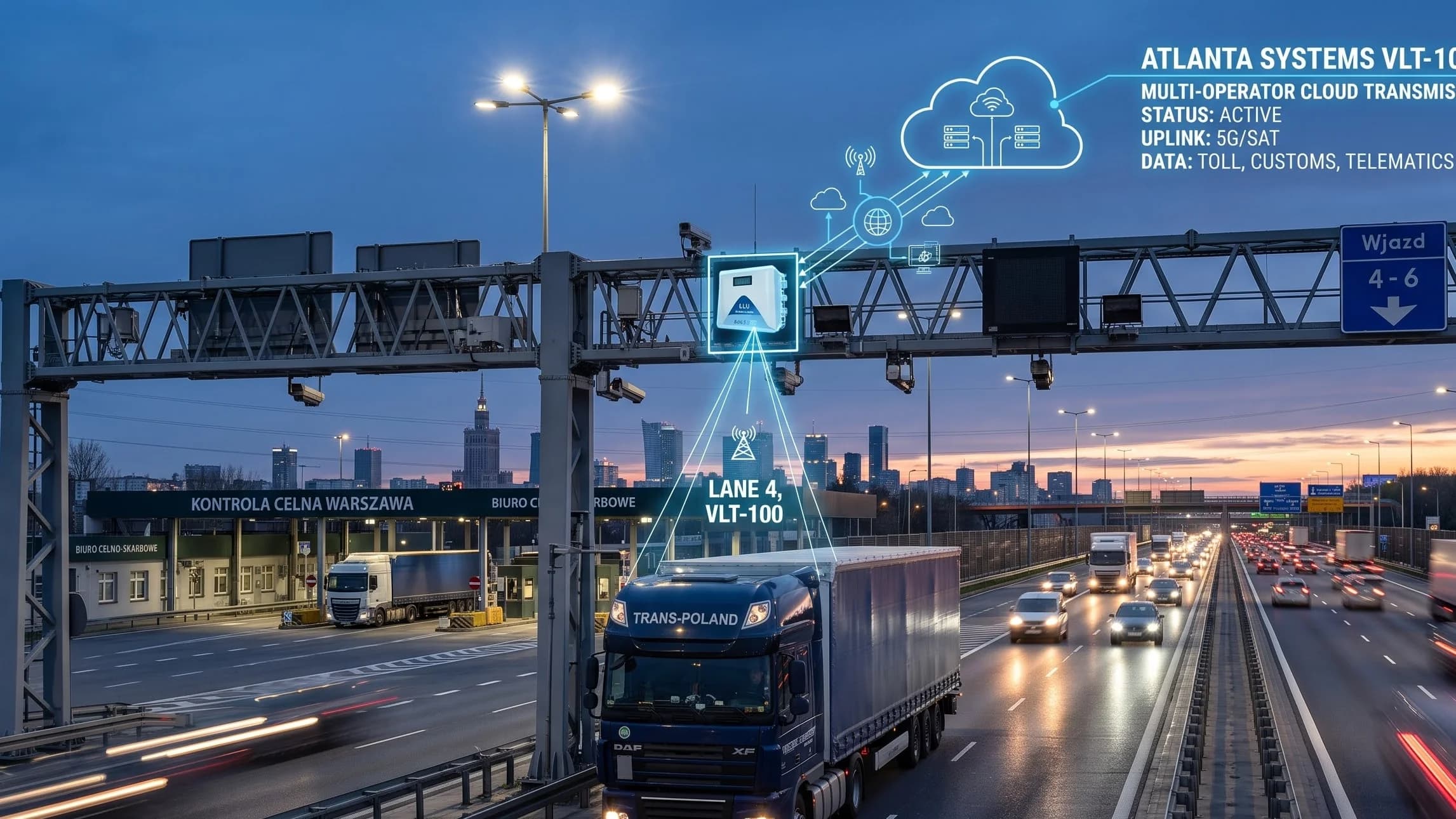
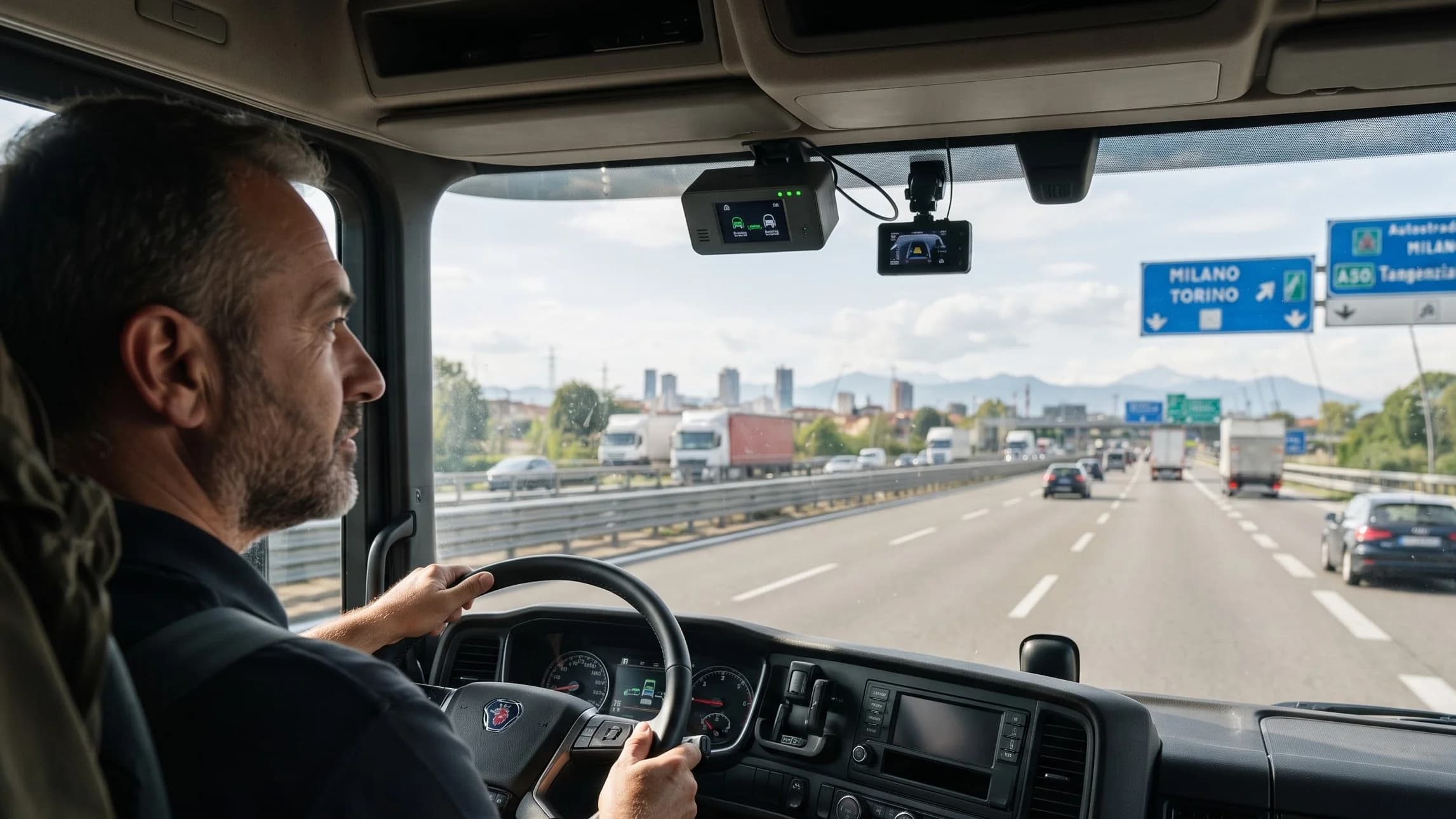
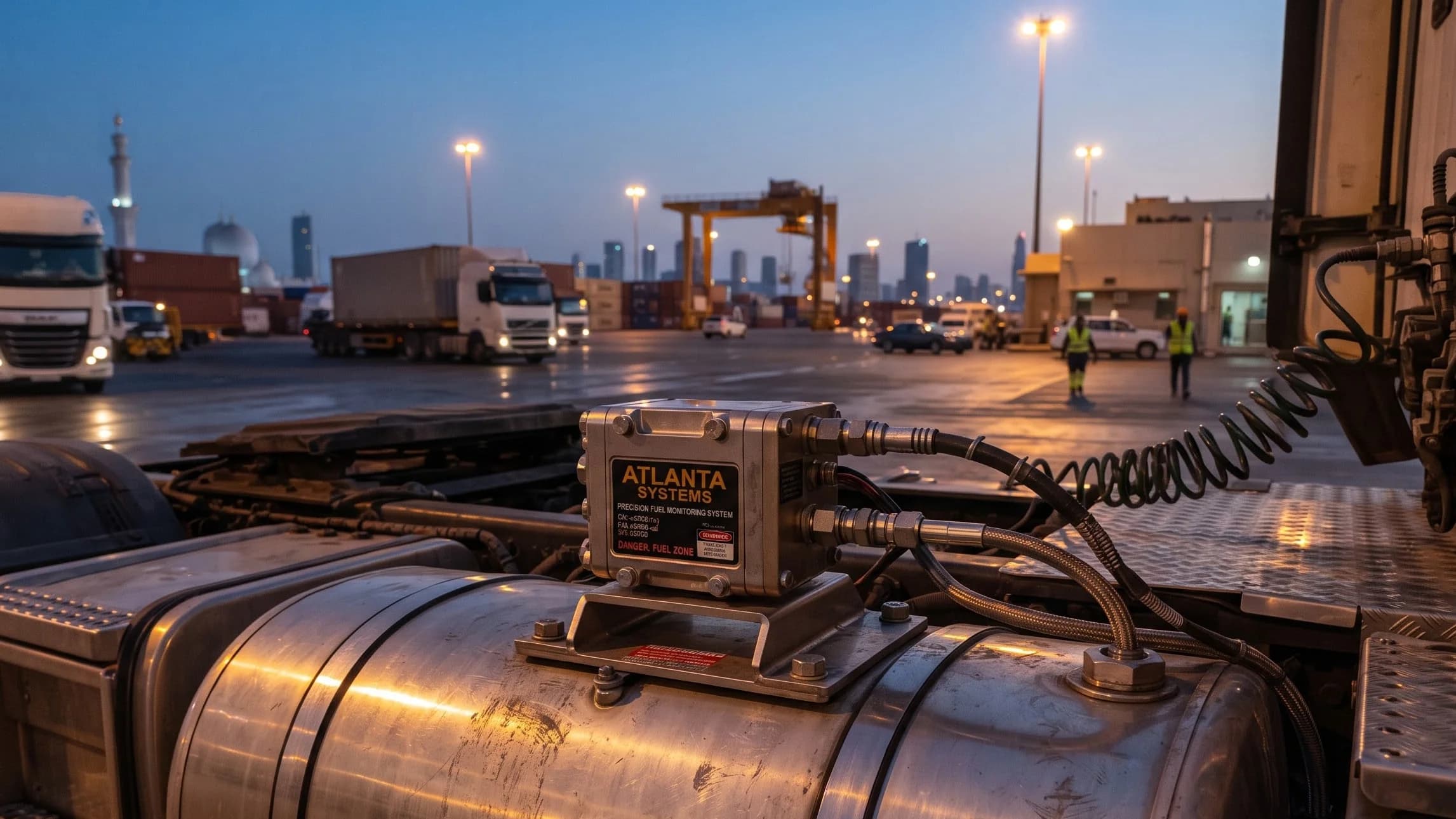
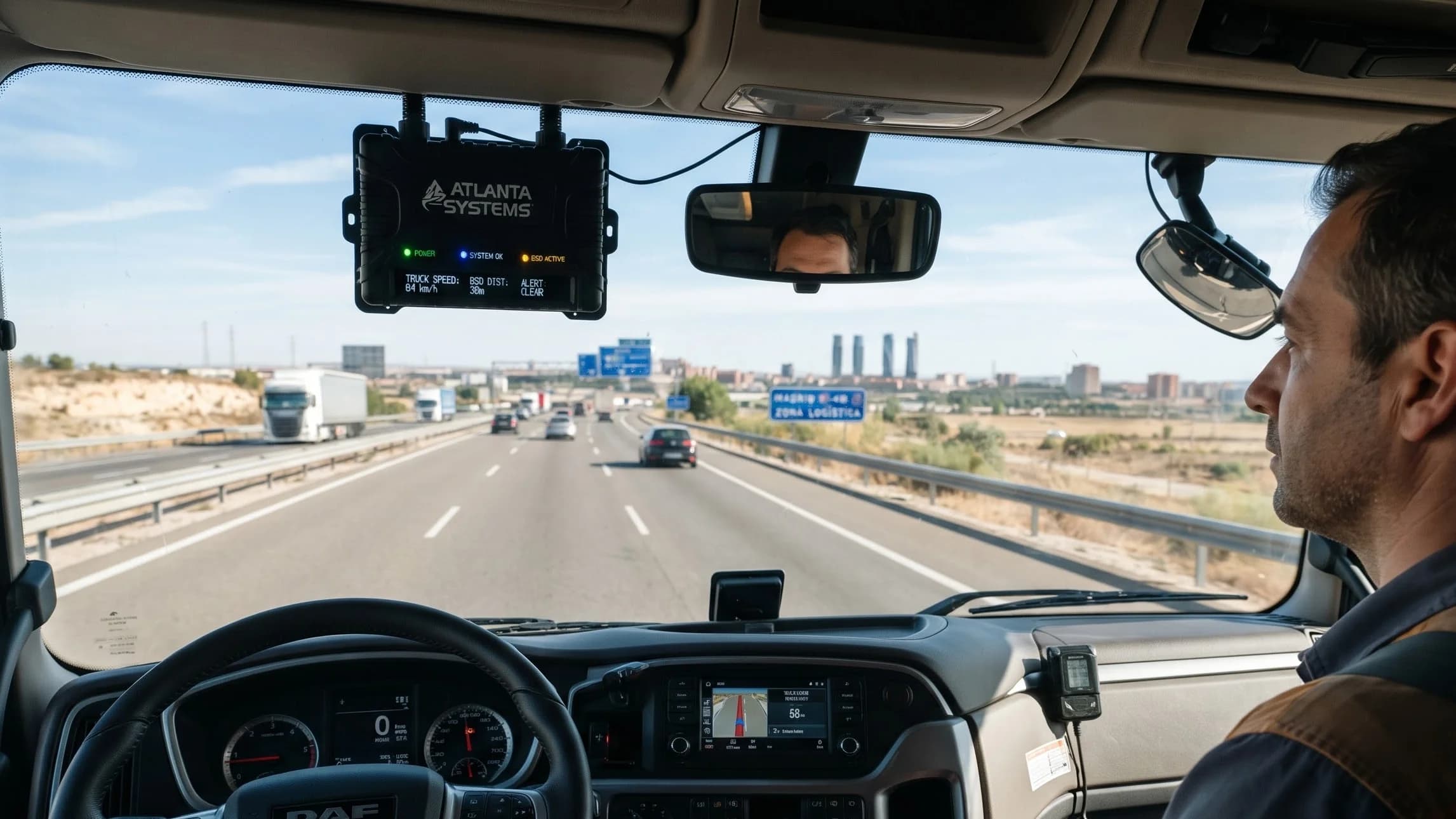
Jebel Ali Port in Dubai stands as the largest marine terminal in the Middle East and the flagship facility of DP World, handling millions of shipping containers annually. Surrounding this massive logistics gateway are the industrial yards and bonded warehouses of the Jebel Ali Free Zone (JAFZA), where high-value electronics, luxury consumer items, pharmaceuticals, and specialized machinery transition from sea to road freight. While the United Arab Emirates maintains one of the world's lowest crime rates, the astronomical value of bonded transshipment cargo traveling through regional industrial corridors demands foolproof asset security protocols.
To protect high-value freight assets against unauthorized deviation, hijacking, and container diversion, logistics operators rely on Atlanta Systems' WP-40G 4G Telematics Terminal equipped with integrated remote engine immobilization architecture.
The High-Value Cargo Challenge in Bonded Logistics
Cargo security protocols in the Middle East are heavily regulated. Under mandates issued by the Security Industry Regulatory Agency (SIRA) in Dubai, commercial vehicles transporting specific classes of high-value freight—including bullion, bonded electronics, luxury vehicles, and hazardous industrial chemicals—must incorporate certified real-time tracking, tamper detection, and verified immobilizer control.
```
Hardware Architecture & Data Flow Pipeline
SYSTEM SCHEMATIC+--------------------------------------------------------------------------+
| Jebel Ali Freight Security Priorities |
+--------------------------------------------------------------------------+
| Environment: Jebel Ali Port, JAFZA Industrial Corridors, Dubai Logistics City |
| Cargo: High-value electronics, bonded transshipment goods, reefer pharma |
| Regulatory Body: Security Industry Regulatory Agency (SIRA) Mandates |
| Core Requirements: Geo-fenced safe immobilization, anti-jamming detection|
+--------------------------------------------------------------------------+
```
However, executing remote engine immobilization on a heavy commercial vehicle traveling at high speeds carries significant mechanical and safety risks. Abruptly cutting engine fuel flow or ignition on a 40-ton articulated lorry navigating busy multi-lane highway traffic can lead to catastrophic collisions, brake booster failures, and steering lockup. Safe immobilization requires sophisticated multi-stage hardware fail-safes.
Safe Multi-Stage Immobilization Architecture
The Atlanta Systems WP-40G does not use crude, unmonitored relay cutoffs. Instead, it utilizes an automotive-grade, progressive immobilization system designed to ensure safe vehicle cessation:
```
[Dispatch Security Center Issues "Immobilize" Command via Encrypted Channel]
|
v
[WP-40G Evaluates Multi-Layer Safety Logic]
|
Hardware Architecture & Data Flow Pipeline
SYSTEM SCHEMATIC+---------------------+---------------------+
| |
[Speed > 5 km/h] [Speed < 5 km/h]
| |
v v
[Safety Lock Active] [Safe Threshold Met]
- Wait for Vehicle to Decelerate - Trigger Audible Cabin Warning (30s)
- Flash Hazard Warning Lights (Digital Out) - Interlock Starter Circuit
- Maintain Steering & Air Brakes - Step-Down Fuel Solenoid Flow
| |
+-----------------> Vehicle Stops <---------+
|
v
[Engine Fully Locked Down]
(Cannot be Restarted Without Authorized Token)
```
### 1. Speed-Interlocked Safety Gating
The telematics firmware evaluates multiple independent telemetry inputs before executing an engine cutoff command:
* **True Vehicle Velocity:** Both GNSS speed and engine CAN bus speed must register below **5 km/h** before immobilization circuitry can energize.
* **Engine Idle Status:** The vehicle must be stationary, ensuring that hydraulic power steering pumps and pneumatic brake compressors are not abruptly de-energized while navigating traffic.
### 2. Digital Solid-State Relays (SSR)
Traditional mechanical electro-magnetic relays frequently fail in desert climates due to internal contact arcing, vibration fatigue, and dust ingress. Atlanta Systems utilizes industrial **solid-state automotive power switches** capable of handling 40A continuous draw without physical contact wear, eliminating failure points in vehicle engine harnesses.
---
## Anti-Jamming and Autonomous Offline Security
Professional cargo theft syndicates often attempt to defeat telematics systems using multi-band GPS and cellular signal jammers. These battery-powered radio frequency (RF) jammers flood tracking frequencies with broadband noise, preventing standard trackers from sending emergency alerts to cloud dispatch.
Atlanta Systems counters RF jamming through **autonomous on-board intelligence**:
```
+-------------------------------------------------------------------------+
| Atlanta Systems Anti-Jamming Logic |
+-------------------------------------------------------------------------+
| |
| 1. RF Jamming Detected: |
| Internal cellular modem detects synthetic noise floor spike |
| persisting for > 10 seconds across GSM/LTE bands. |
| |
| 2. Autonomous Local Defensive Actions: |
| - Local Flash Memory locks state (Non-volatile lockdown). |
| - Vehicle horn/siren pulsed via secondary digital output. |
| - Next Time Vehicle Comes to Complete Stop: Starter interlock |
| engages locally, preventing restart even with cellular cut. |
| |
+-------------------------------------------------------------------------+```
By executing defensive immobilization logic locally inside the micro-controller rather than waiting for an unreachable cloud signal, the WP-40G protects the asset even when completely cut off from radio communication.
Integrated Door and Cargo Tamper Monitoring
Cargo integrity requires monitoring not only the vehicle powertrain, but the shipping container itself:
```
Hardware Architecture & Data Flow Pipeline
SYSTEM SCHEMATIC+---------------------------------------------+
| WP-40G Telematics Hub |
+----------------------+----------------------+
|
+----------------------+----------------------+
| | |
v v v
[Magnetic Door Switch] [BLE Cargo Beacon] [Driver ID Reader]
Cabin Entry Monitoring Reefer Cargo Bay Seal 1-Wire iButton / RFID
```
* **Wireless BLE Container Seals:** Atlanta Systems' wireless Bluetooth sensors monitor container door closure status. If door contacts break outside authorized geofenced logistics hubs (e.g., stopping unauthorized on an unlit shoulder between Jebel Ali and Al Ain), an immediate security alert is triggered.
* **Driver Authentication Verification:** The engine interlock remains armed by default until the designated, authorized driver presents their verified RFID badge or BLE keyfob to the cab reader, eliminating vehicle theft via duplicate ignition keys.
---
## Conclusion: Proactive Security for Modern Supply Chains
In the competitive logistics corridors of Dubai and the wider UAE, maintaining cargo integrity is fundamental to customer trust and regulatory standing. Atlanta Systems' WP-40G telematics hardware pairs advanced cellular connectivity with intelligent, multi-stage immobilization safety controls, providing freight operators with absolute control over their highest-value assets.