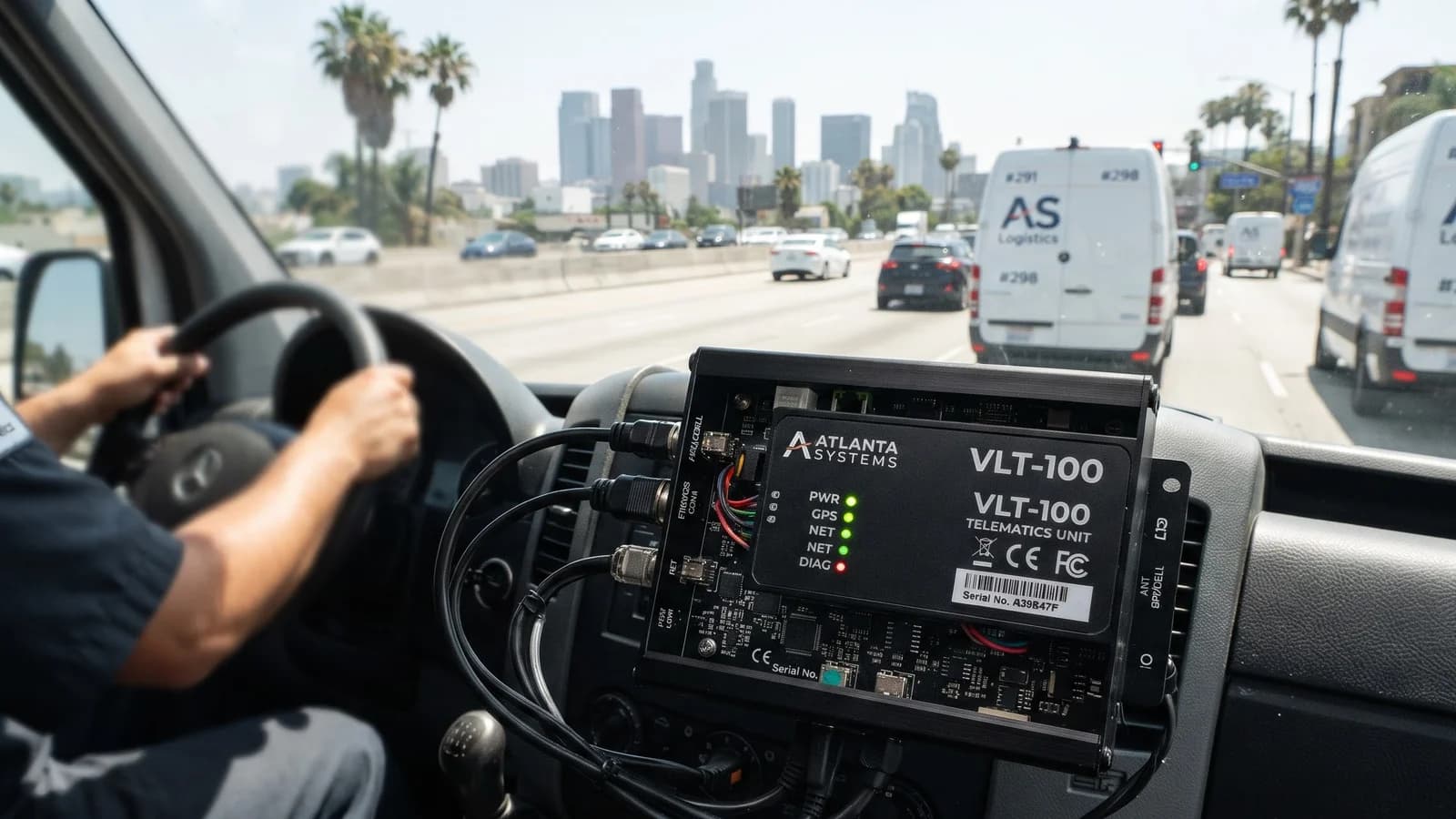
Smart Parking System: How Sensors and Apps Make Parking Easier
Table of Contents
Drivers looking for parking add to congestion and pollution, and parking operators lose revenue to manual ticketing and empty spaces nobody can find. A smart parking system shows exactly which spaces are free and automates ticketing and payment.
How smart parking works
Occupancy sensors in each bay detect whether a vehicle is parked.
Sensor data goes to the parking platform in real time.
LED displays and apps show drivers how many spaces are free and where.
Ticketing kiosks and mobile cashiering handle entry, exit and payment.
Dashboards show occupancy, revenue and peak times for the operator.
GP-1000 wireless parking sensor
Geomagnetic detection: senses the change in the magnetic field when a car parks above it
Wire-free installation with magnetic mounting, so there’s no trenching or cabling
IP67: waterproof, dustproof and impact-resistant for outdoor bays
Built-in 19,000 mAh battery
GSM connectivity and GNSS
Park Ezy: Atlanta’s parking management solution
Park Ezy combines GP-1000 sensors with a software platform and industrial ticket-dispensing kiosks. Features include:
- Slots by vehicle type, shown on LED displays
Automated, fast ticketing and fare management
Revenue control with full audit trail
Admin control and mobile cashiering
Low recurring cost
Where smart parking delivers the most
City street parking and smart city programmes
Multi-level car parks and malls
Hospitals, airports and transport hubs
Corporate campuses and fleet depots
Frequently Asked Questions (FAQs)
How accurate are geomagnetic parking sensors? They reliably detect parked vehicles. Install and calibrate them correctly so nearby traffic doesn’t affect readings.
Do the sensors need cables? No. The GP-1000 is battery-powered and communicates wirelessly.
Can drivers book or pay through an app? The system integrates with mobile and web apps for monitoring, booking and payment.
Can parking data feed a smart city dashboard? Yes. Occupancy data can be shared with city command centres through integration.
Next step: see Park Ezy or contact us about a parking pilot.
Related reading: Public transport telematics · Fleet telematics API integration
Official engineering publication group at Atlanta Systems Pvt. Ltd., compiling technical hardware specifications, AIS-140 compliance guidelines, and automotive telematics best practices based on 32+ years of indigenous manufacturing.