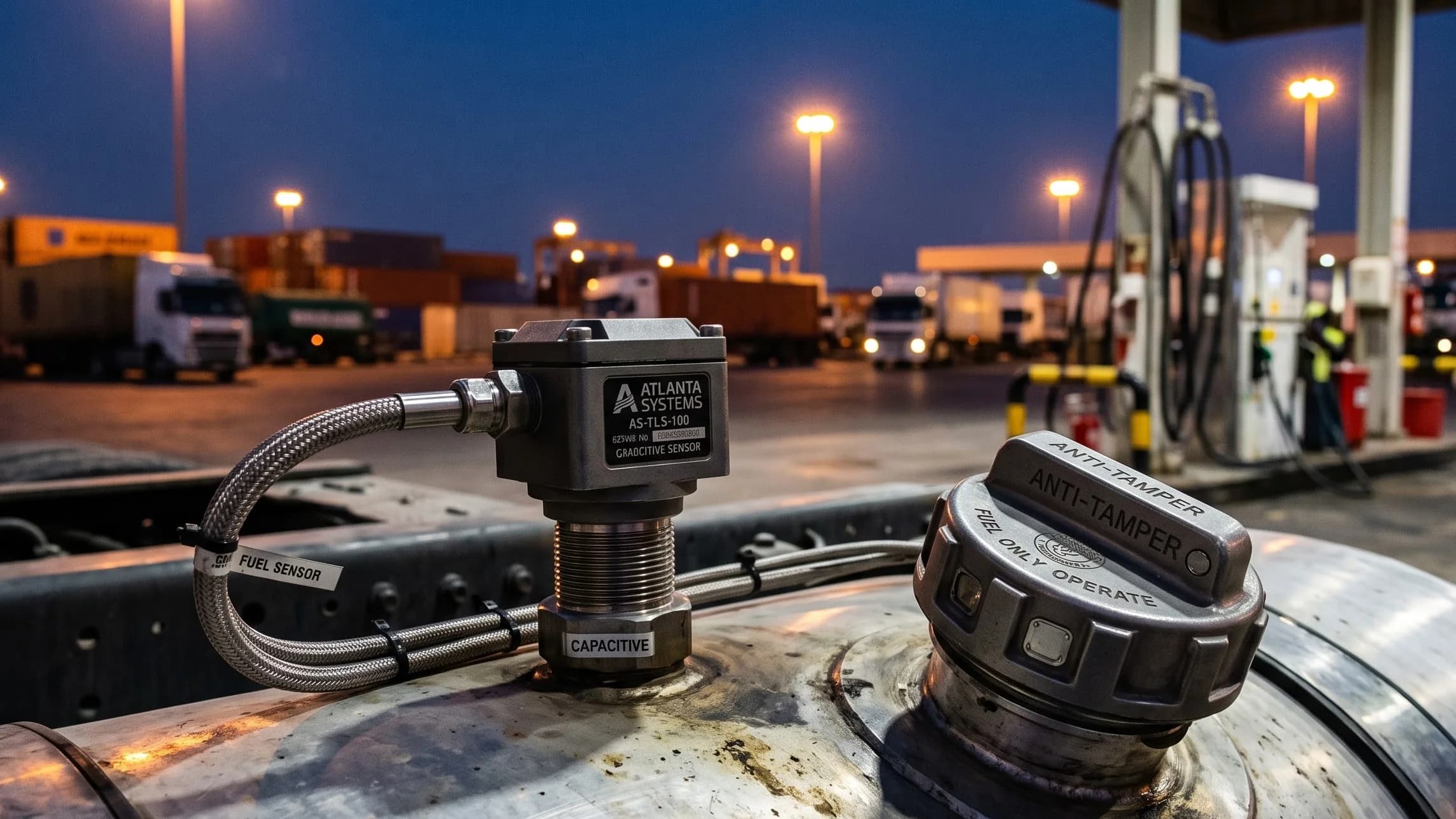
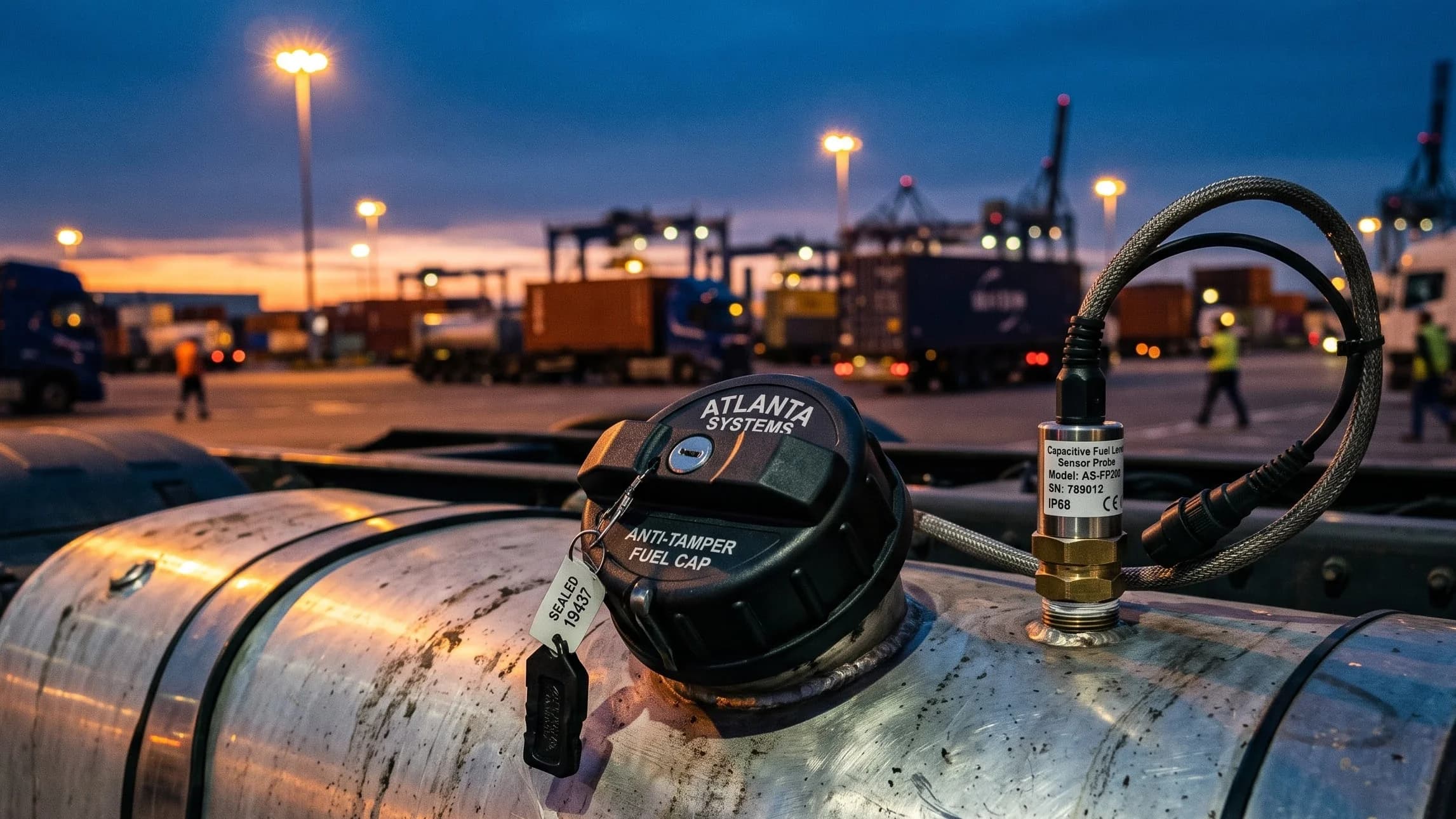
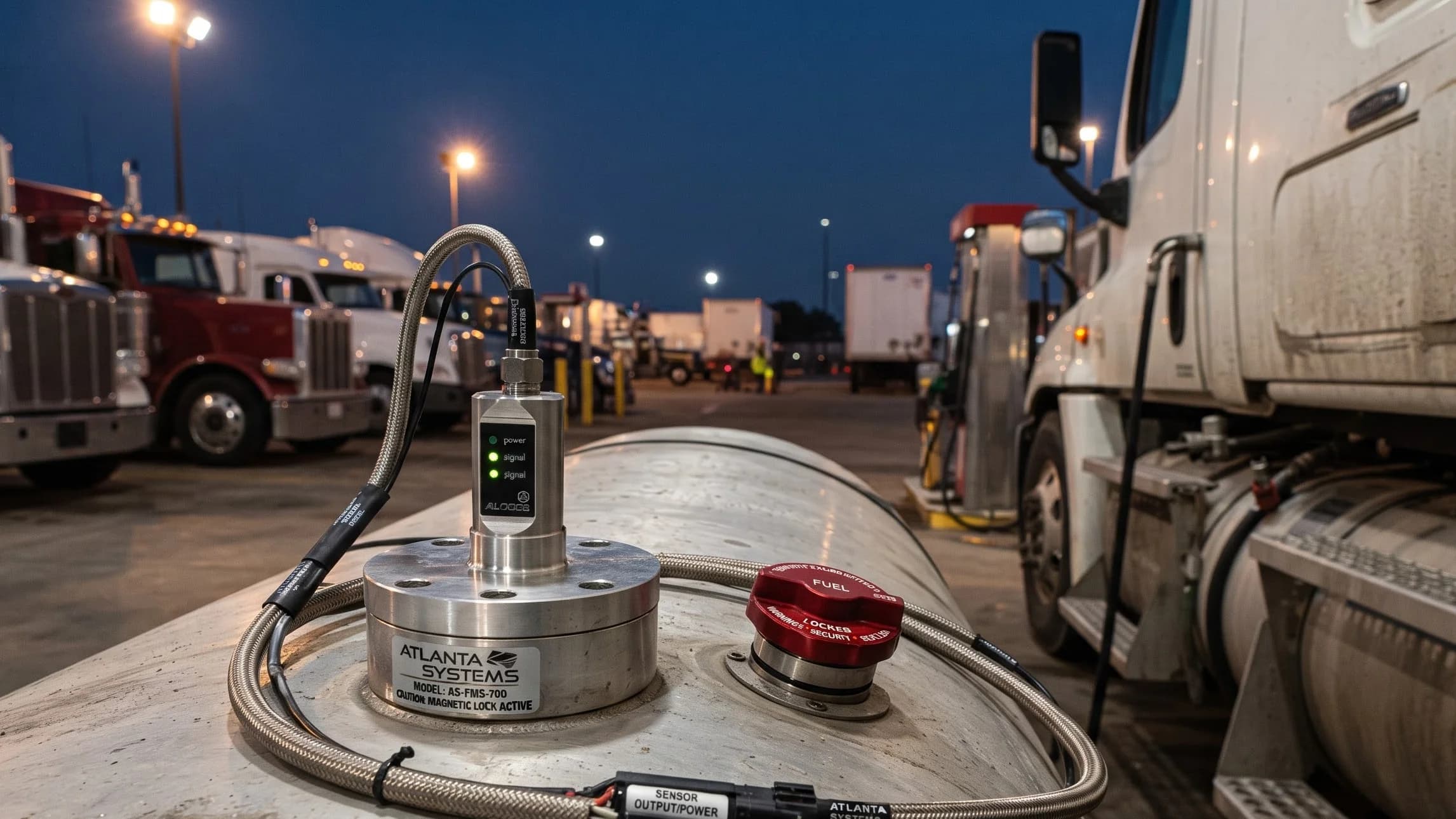
Anti-Siphoning Alert Algorithms from Atlanta Systems Deployed on Jeddah–Makkah Expressway Fleets
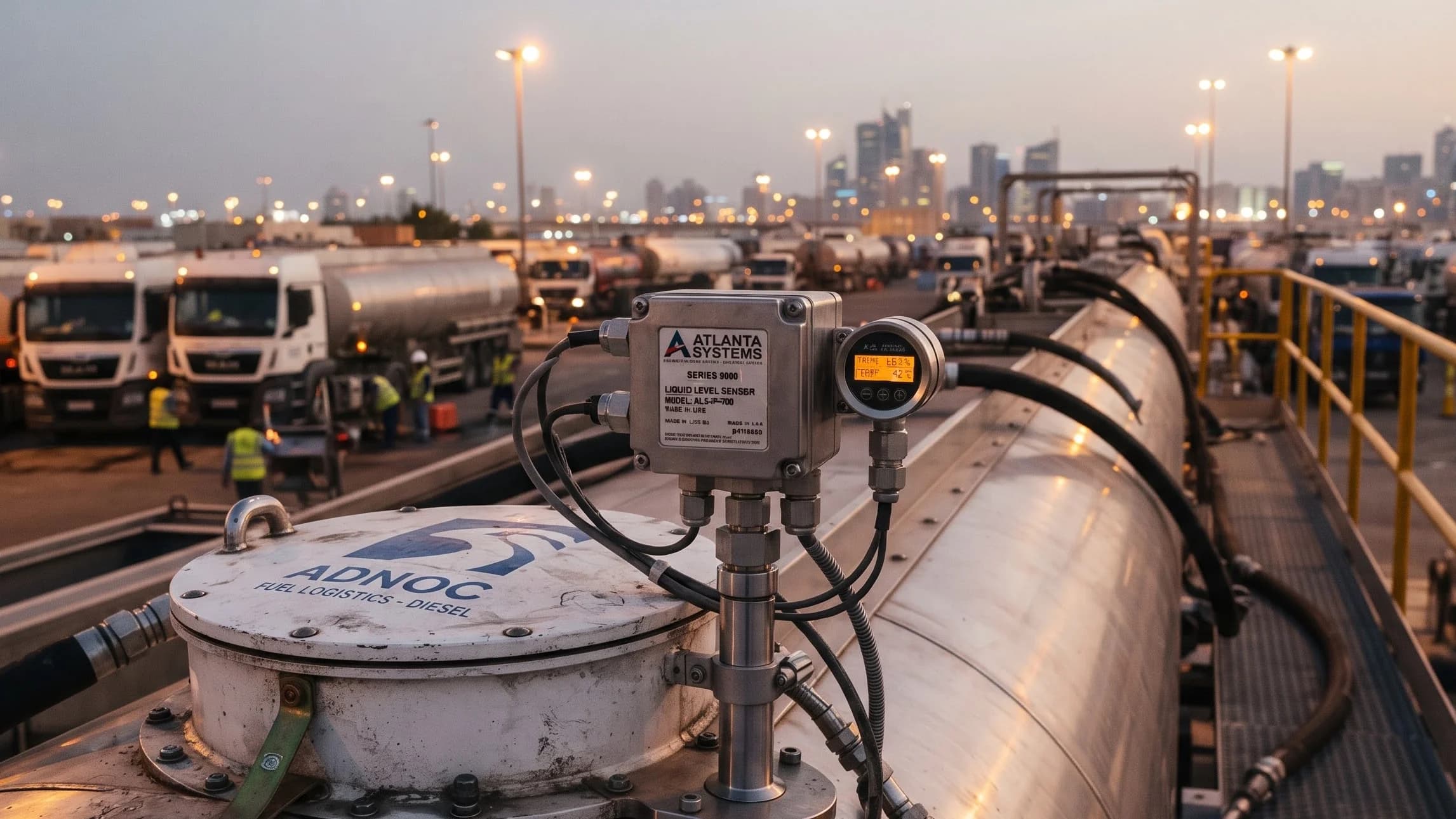
Table of Contents
- The Threat Landscape: Fuel Theft Tactics on Western Province Arterials
- Algorithmic Architecture: Edge Dynamic Filtering on ATL-440 / GWC-100
- Alert Dispatch and Integration Flow
- Technical Comparison: Atlanta Systems Edge Algorithms vs. Cloud-Only Analysis
- Field Implementation Case Study: Jeddah Freight Haulier
- Conclusion & Next Steps for Fleet Operators
The transit corridor between the Islamic Port of Jeddah and the Holy City of Makkah handles exceptional commercial traffic volumes. Around the clock, heavy supply trucks, construction hauliers, temperature-controlled food distribution vehicles, and pilgrimage passenger coaches transit the Jeddah–Makkah Expressway. In this high-density operating environment, logistics fleets face intense operational schedules, high fuel consumption, and significant risks of unauthorized fuel extraction during mandatory rest stops, urban queueing, and staging in logistics parks. Simple fuel level readouts are insufficient to protect against organized fuel theft. Fleet supervisors cannot manually review continuous data charts for dozens or hundreds of vehicles. What is required is edge-computed intelligence. Atlanta Systems bridges this operational gap by combining the FSK-1000 capacitive fuel probe with advanced anti-siphoning dynamic algorithms embedded directly inside the ATL-440 and GWC-100 telematics firmware, delivering sub-second theft detection and instant multi-channel alerting.
The Threat Landscape: Fuel Theft Tactics on Western Province Arterials
Operating commercial fleets along the Red Sea coast involves unique environmental and operational challenges:
- High Urban and Highway Congestion: Protracted stop-and-go queueing at customs inspection gates and urban choke points induces severe fuel sloshing, making crude threshold-based fuel alarms unreliable.
- Siphoning During Idling: Theft often occurs while the vehicle's engine is kept idling to power the cabin air conditioning in 45°C ambient heat. Illicit taps into return fuel lines slowly drain diesel, disguising the theft as high engine idle consumption.
- Off-Duty Overnight Extraction: In dark staging lots off the expressway, thieves siphon 100 to 300 liters of diesel in under five minutes. If an alert is delayed until the next morning’s scheduled report, the fuel and perpetrators are long gone.
Detecting these scenarios requires algorithmic filtering that separates road vibrations and sloshing from genuine fuel loss, while evaluating engine operational states to immediately identify anomalous fuel drops.
Algorithmic Architecture: Edge Dynamic Filtering on ATL-440 / GWC-100
The Atlanta Systems telematics firmware utilizes a multi-layered mathematical processing model to evaluate raw liquid level data stream transmitted over RS485 from the FSK-1000 sensor:
```
```
1. Adaptive Kalman Filter for Slosh Suppression
When an articulated truck brakes or turns, fuel sloshes dynamically inside the tank, causing instantaneous liquid height readings to oscillate by up to 25%. Rather than applying a crude moving average that delays event detection, Atlanta Systems implements a customized Adaptive Kalman Filter. The algorithm continuously evaluates accelerometer variance and GPS speed; when the vehicle is moving or vibrating, it increases filtering damping, and when the vehicle stops, it instantly switches to high-sensitivity mode.
2. Derivative Drop-Rate Detection ($dL/dt$)
The core anti-siphoning logic calculates the first derivative of fuel volume over time ($dL/dt$):
- Normal Engine Consumption: Even under maximum load pulling 40 tons up a highway incline, a heavy truck engine consumes fuel at a predictable maximum rate (e.g., 0.6 to 1.2 liters per minute).
- Siphoning Profile: When a siphon hose or electric pump is introduced, the fuel extraction rate typically exceeds 15 to 40 liters per minute.
- Ignition-OFF Theft Detection: If fuel level drops by more than a calibrated threshold (e.g., 8 liters) while the ignition input is OFF, the firmware immediately flags a Severe Critical Fuel Theft Event.
Alert Dispatch and Integration Flow
The integration between hardware sensing, edge evaluation, and emergency dispatch operates seamlessly across cellular and cloud networks:
```
```
- Local Audio-Visual Deterrence: When a theft condition is verified, the ATL-440 instantly triggers an onboard digital output wired to the vehicle's horn relay or an auxiliary strobe siren, startling thieves and aborting the theft attempt immediately.
- High-Priority Telemetry Transmission: The device generates an immediate emergency interrupt packet over 4G LTE, bypassing standard periodic reporting queues.
- Instant Security Notification: Within 3 to 5 seconds of the siphoning event, the fleet operations center receives an interactive alert with exact GPS coordinates, fuel volume extracted, remaining fuel, and vehicle ID.
Technical Comparison: Atlanta Systems Edge Algorithms vs. Cloud-Only Analysis
| Functional Parameter | Atlanta Systems Edge Algorithm | Traditional Cloud-Only Alerting |
|---|---|---|
| Detection Latency | Sub-second (< 1.5 seconds on-device) | 15 to 60 minutes (Batch server sync) |
| Local Siren / Relay Trigger | Instantaneous via onboard digital out | Impossible without round-trip delay |
| Cellular Dead-Zone Protection | Stores event with millisecond timestamp | Fails completely without cell tower |
| False-Alarm Rate | < 0.2% (Filtered by Kalman + Ignition) | > 15% (Triggers on highway inclines) |
| Slosh Damping Method | Dynamic 3-Axis Accelerometer Coupled | Static software rolling average |
Field Implementation Case Study: Jeddah Freight Haulier
A container transport carrier operating 90 heavy tractor units between the Port of Jeddah and Makkah commercial distribution depots implemented Atlanta Systems' anti-siphoning solution:
- Theft Incidents: Illicit fuel extraction incidents plummeted by 89% across the fleet within two months of activation.
- Rapid Response Success: During an attempted overnight siphoning in a staging yard along the Old Makkah Road, the system sounded the onboard horn within 4 seconds of the hose entering the tank, scaring off intruders and saving 380 liters of fuel.
- Accounting Reconciliation: Discrepancies between bulk fuel purchase receipts and telematics-reported consumption dropped from 7.4% down to under 0.4%.
Conclusion & Next Steps for Fleet Operators
Relying on passive fuel tracking or manual reconciliations leaves transport fleets exposed to persistent diesel theft along critical freight corridors. By deploying Atlanta Systems' FSK-1000 capacitive sensors backed by edge-computed anti-siphoning algorithms on the ATL-440 gateway, fleet operators establish active, 24/7 protection over their fuel inventory.
To schedule a technical demonstration of Atlanta Systems' anti-siphoning algorithms or request hardware pilot kits, contact our regional engineering office at sn@atlantasys.com or visit www.atlantasys.com.
Official engineering publication group at Atlanta Systems Pvt. Ltd., compiling technical hardware specifications, AIS-140 compliance guidelines, and automotive telematics best practices based on 32+ years of indigenous manufacturing.