Driver Behaviour Monitoring and Eco-Driving: How Fleets Cut Fuel and Accident Costs
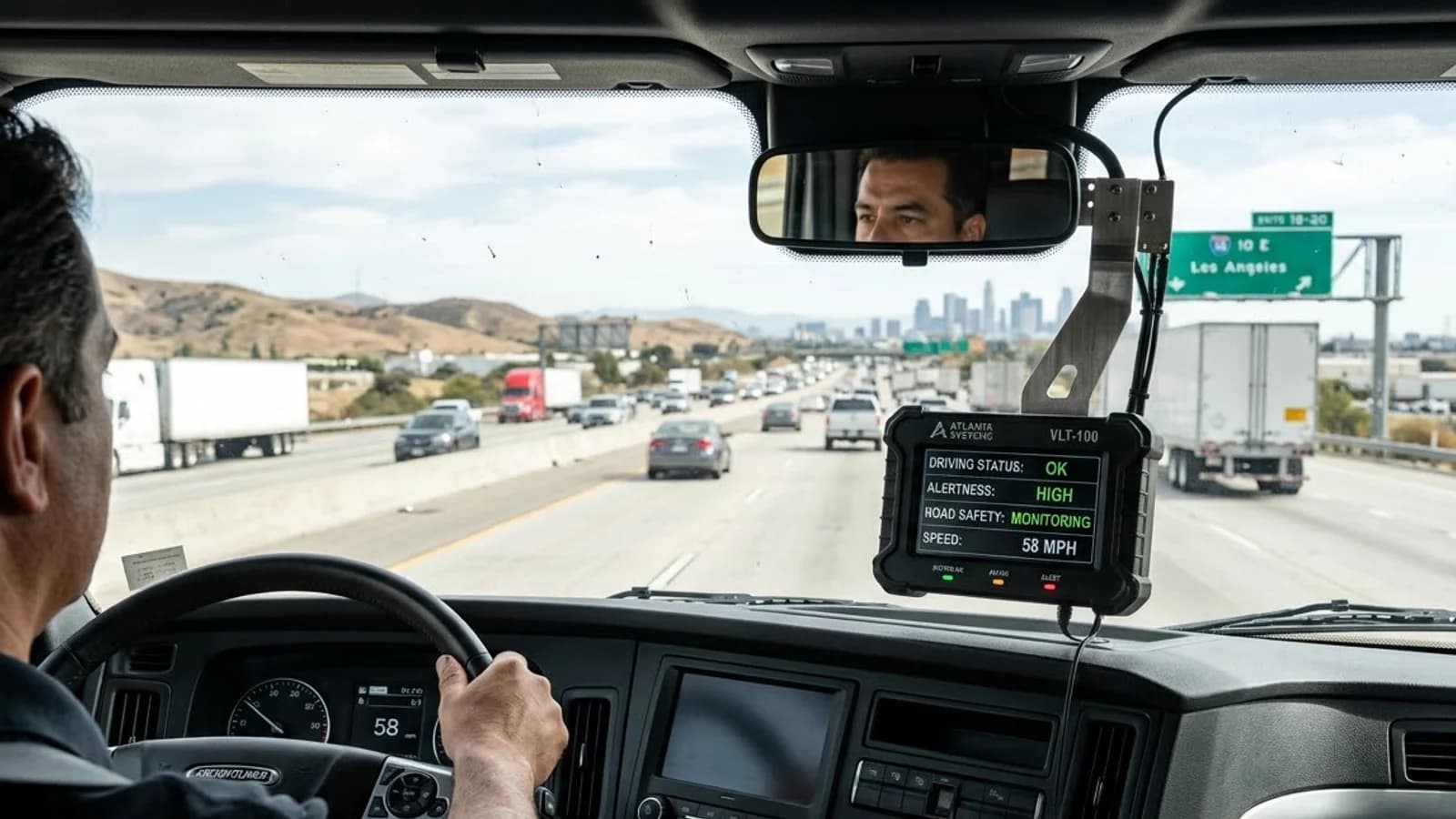
Two drivers on the same route in the same vehicle can use very different amounts of fuel. The difference comes down to habits: speeding, harsh braking, rapid acceleration and idling. Driver behaviour monitoring measures those habits so you can coach drivers, reward the best ones and cut costs. What gets measured
| Behaviour | How it’s detected | Why it matters |
|---|---|---|
| Harsh acceleration | 3D accelerometer in the tracker | Wastes fuel, wears the drivetrain |
| Harsh braking | Accelerometer | Wears brakes and tyres; a sign of tailgating |
| Sharp cornering | Accelerometer and gyroscope | Rollover and cargo-damage risk |
| Overspeeding | GPS speed vs set limit or geofence | Accident risk, fines, higher fuel use |
| Idling | Ignition on while not moving | Burns fuel for nothing |
| Over-revving | Engine RPM from CAN/OBD | Fuel waste and engine wear |
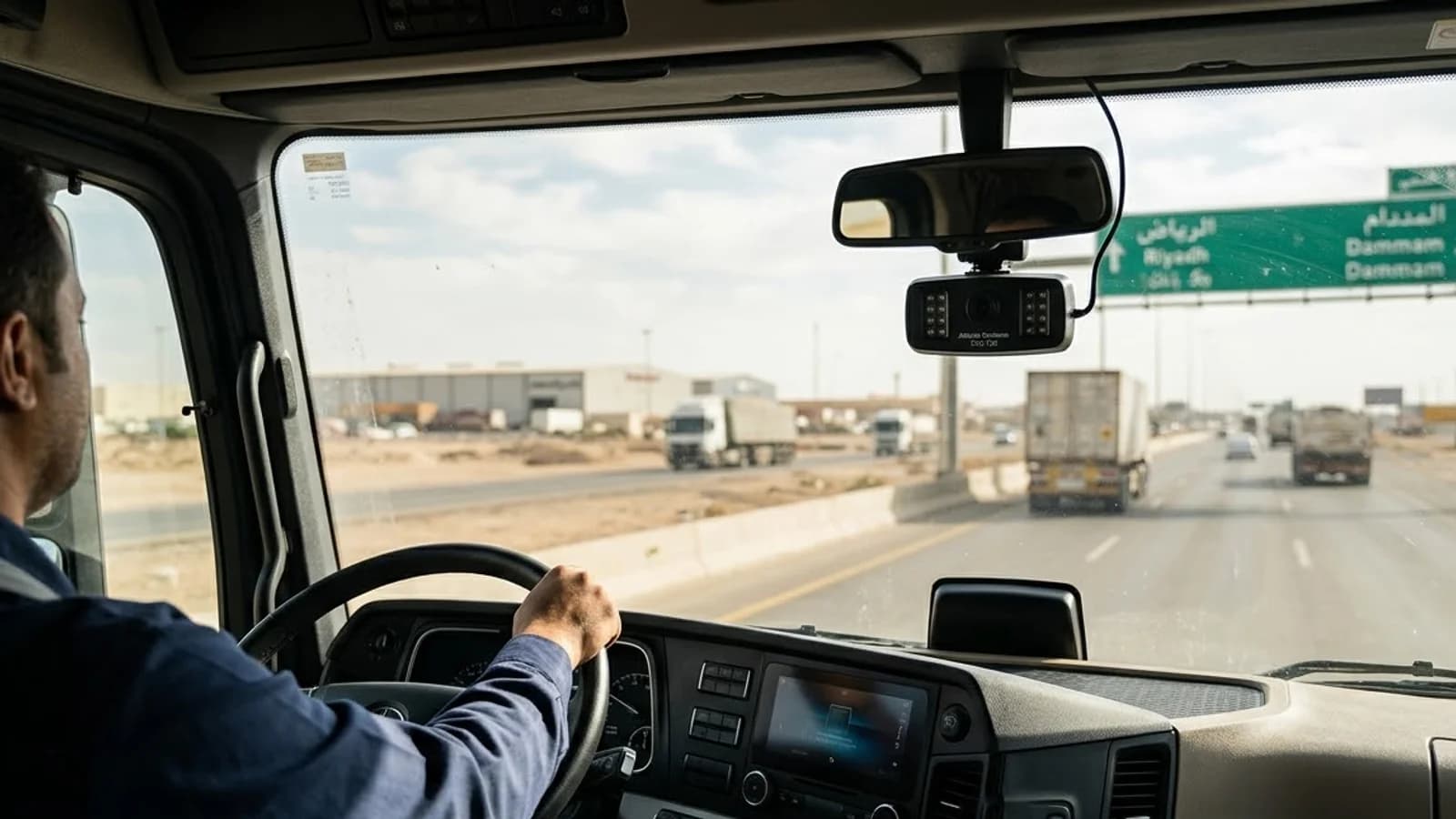
| Distraction and fatigue | AI camera (DMS) | Major accident cause (see DMS guide) |
Atlanta trackers such as the ATL-140 and ATL-440 detect harsh acceleration, harsh braking, sharp turning and overspeed on the device itself, so events are recorded even when the vehicle has no network. Building a fair driver score A score only works if drivers trust it. Follow these principles: Normalise by distance. Count events per 100 km, not totals, so long-haul drivers aren’t penalised. Weight events by risk. Harsh braking at highway speed should count more than at 20 km/h. Account for context. Compare city routes with city routes and highway routes with highway routes. Use video evidence for disputes. An AI dash cam clip shows whether harsh braking was the driver’s fault or a reaction to someone else (see AI dash cams). Share the score with drivers every week, not just with managers. Running a coaching programme Week 1–4: collect baseline data. Don’t take action yet. Month 2: share individual scores privately and coach the bottom 20%. Month 3 onward: recognise the top drivers publicly and consider incentives linked to fuel saved. The goal is improvement, not punishment. Programmes that reward good driving get better acceptance and longer-lasting results.
Note for Fleet Managers: add a real result from an Atlanta customer, for example fuel saved per vehicle per month after coaching.
Hardware you need Basic scoring: any Atlanta vehicle tracker with an accelerometer (TC-400, LC-400, ATL-440) Add RPM and fuel data: the OBD-400 or a CAN-connected tracker Add video context and fatigue detection: the AVD-201 3-channel AI camera
Frequently Asked Questions (FAQs)
How much fuel can eco-driving save? Results vary by fleet and starting point. Reducing idling and harsh driving typically gives a noticeable saving. Measure your baseline first so you can prove the result.
Can drivers turn off monitoring? Hardwired trackers send tamper and unplug alerts if power is disconnected.
Is driver monitoring legal? Monitoring company vehicles is generally allowed, but data privacy rules differ by country. Tell drivers what is being recorded and why.
Does the score work for electric vehicles? Yes. Harsh driving reduces EV range in the same way it increases fuel use. Atlanta’s EV telematics devices also report battery data.
Next step: request a demo of driver scoring with your own vehicles.
Related reading: AI dash cams for fleets · Fuel theft detection
Founder of Atlanta Systems Pvt. Ltd. with 32+ years of embedded hardware and SMT engineering leadership, pioneering indigenous AIS-140 GPS trackers and automotive telematics across 27+ countries.