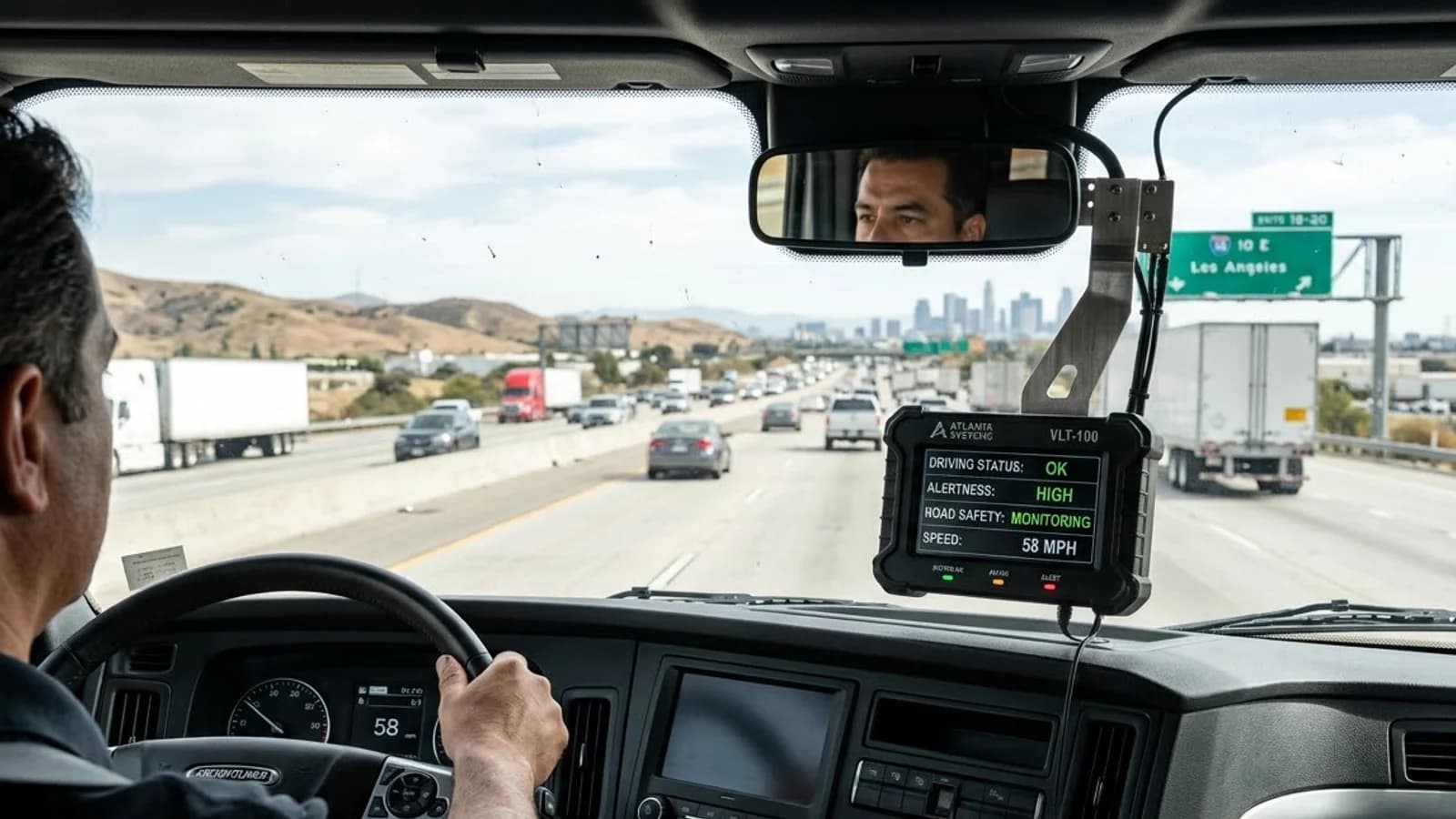
Fuel Theft Detection System: How to Stop Fuel Siphoning in Your Fleet
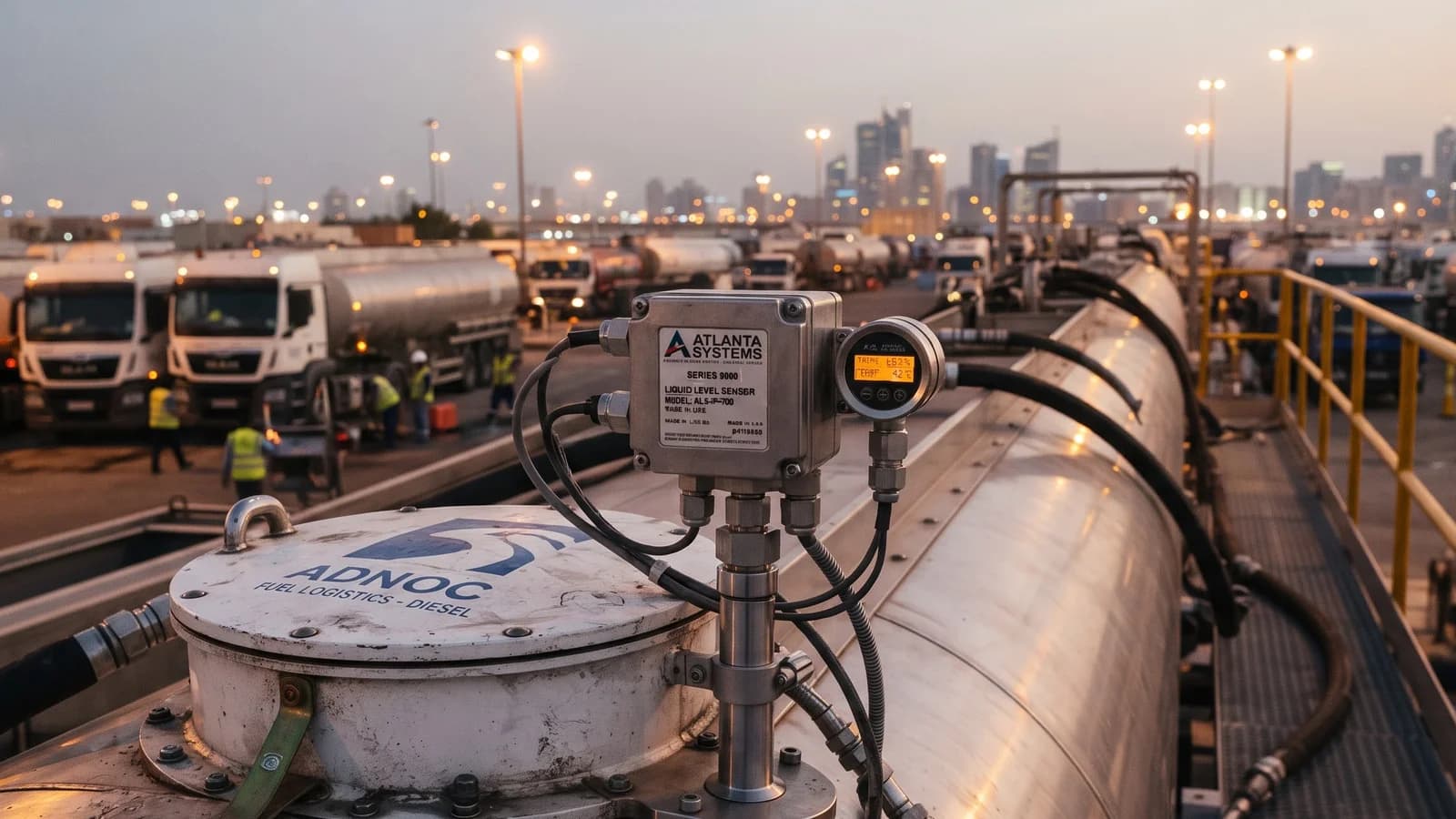
Table of Contents
Fuel theft is one of the most common and least visible losses in transport and construction. A few litres siphoned at a roadside stop, inflated refuelling bills or fuel sold from a parked generator add up to large losses across a fleet. A fuel theft detection system makes every litre traceable. Common types of fuel theft Siphoning from the tank at night stops, depots or remote sites Fake or inflated refuelling, where the bill is higher than the fuel actually added Draining from the fuel line or return line Misuse, such as using company vehicles for personal trips or long idling
How detection works
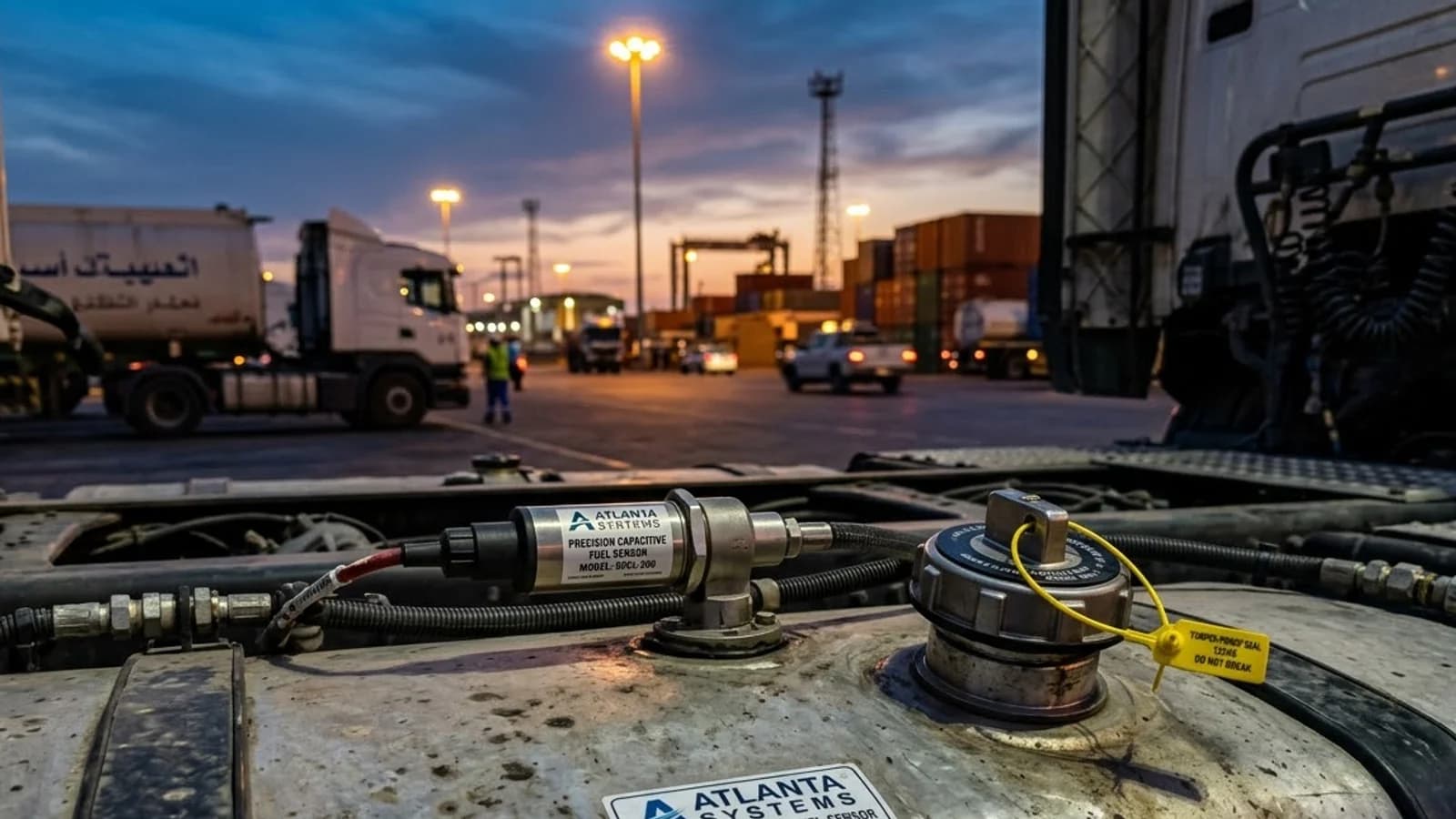
A fuel level sensor measures the level continuously and sends it to the GPS tracker, which reports it to your platform together with location, ignition status and speed. The system then flags:
| Event | Signature | Likely meaning |
|---|---|---|
| Sudden drop, vehicle parked, ignition off | Fast level fall in minutes | Siphoning: instant alert |
| Refill smaller than the bill | Level rise < litres invoiced | Fake or inflated refuelling |
| Gradual drop while driving | Matches distance and engine use | Normal consumption |
| Drop while moving, faster than normal | Consumption far above average | Leak or line theft |
- Telling theft apart from normal readings
Fuel sloshes when a vehicle brakes, climbs or parks on a slope. A good system avoids false alarms by:
- Filtering readings over time instead of reacting to a single value
Using ignition and speed to separate parked drops from driving consumption
Setting a minimum threshold in litres, for example ignoring drops under 5 litres
Calibrating the tank properly so readings convert accurately to litres
Hardware for theft detection
FSK-1000 wireless capacitive sensor: no cable for a thief to cut, plus a tamper-resistant mounting plate
USQ-1000 ultrasonic sensor: mounted outside the tank, so there’s nothing inside to tamper with
Tracker: TC-400 or ATL-440, which read the sensor and send alerts with GPS location. Both have internal batteries and unplug alerts if someone cuts the power.
A 5-step plan to stop fuel theft
Install sensors on the vehicles with the highest fuel use first.
Calibrate each tank type.
Set alerts for parked drops above your threshold.
Compare refuelling events with invoices every week.
Act on alerts quickly. When drivers and site staff see alerts being followed up, theft drops sharply.
Note for Fleet Managers: add a real customer figure, such as litres or money saved per month after installation.
Frequently Asked Questions (FAQs)
How quickly will I know about fuel theft? Alerts are sent as soon as the drop is detected, typically within minutes.
Can thieves bypass the fuel sensor? Wireless (BLE) and external ultrasonic sensors have no cable to cut. Trackers send an alert if power is disconnected.
Will refuelling trigger a theft alert? No. The system recognises refuelling as a level rise and records it as a refill event with location and litres added.
Does it work for generators and construction machines? Yes. Fuel sensors and trackers work on gensets, excavators and other equipment with fuel tanks.
Next step: talk to us about a fuel theft pilot on your highest-risk vehicles.
Related reading: Fuel level sensor guide · Cargo security and immobilisation
Official engineering publication group at Atlanta Systems Pvt. Ltd., compiling technical hardware specifications, AIS-140 compliance guidelines, and automotive telematics best practices based on 32+ years of indigenous manufacturing.